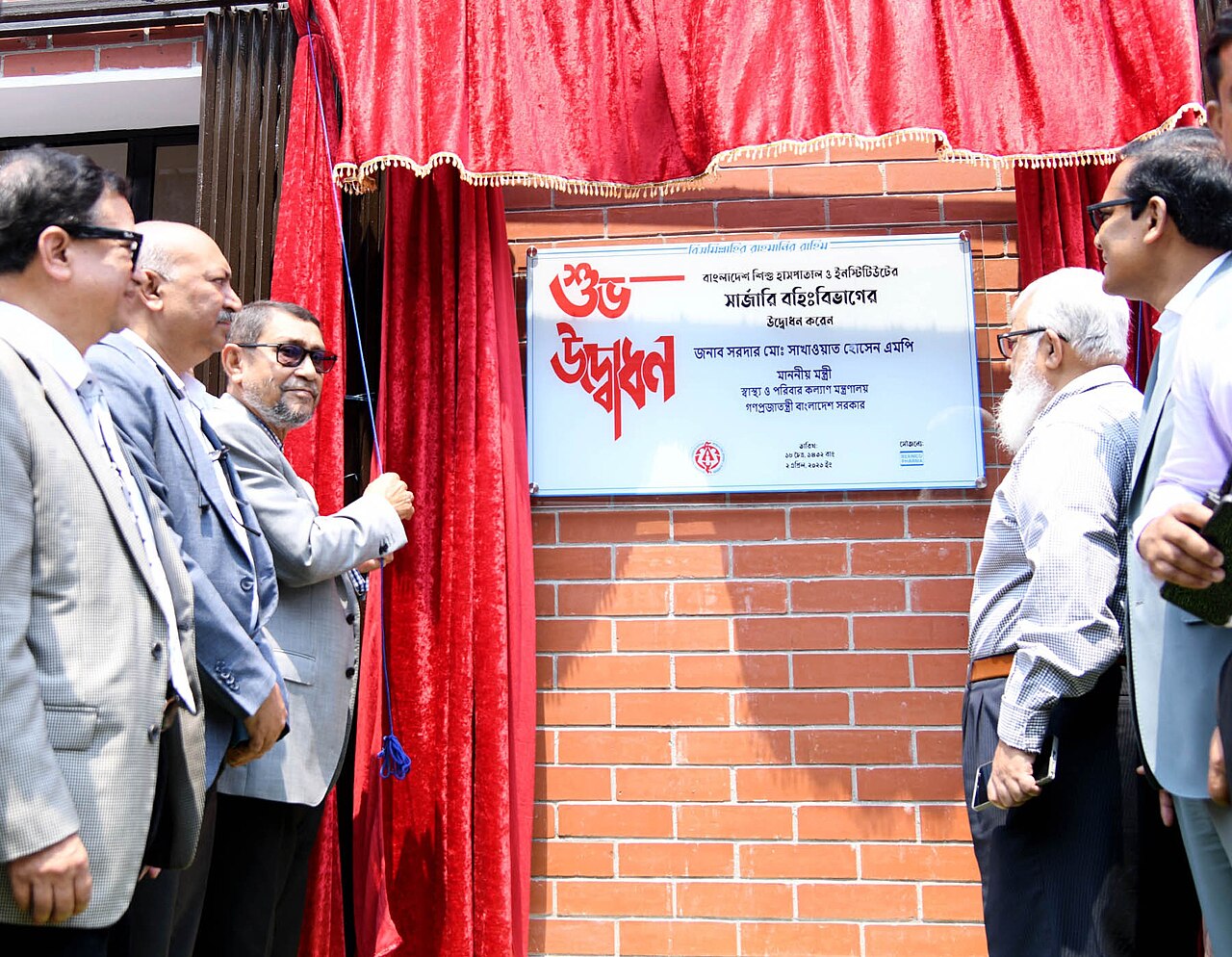
An ambulatory surgery centre (ASC) is a facility where patients have surgery and go home the same day. Common procedures include cataract surgery, knee arthroscopy, hernia repair, colonoscopy and some joint replacements. Better anaesthesia, keyhole techniques and pain control have made more operations suitable for same-day care.
The scale of surgery
WHO says more than 300 million surgical procedures are performed worldwide each year [1]. The Lancet Commission on Global Surgery found that 5 billion people lack access to safe, affordable surgery, and that surgery costs push 33 million people into catastrophic spending each year [2].
Why ASCs are growing
- Lower cost: no overnight stay and simpler buildings.
- Convenience: easier scheduling and shorter waits.
- Efficiency: teams that focus on a few types of procedures.
- Lower infection risk for some patients, away from very sick hospital patients.
- Patient preference for recovering at home.
Cataract surgery: a clear example
WHO says cataract is the leading cause of distance vision loss among the 1 billion people with preventable or untreated vision impairment, at 94 million [3]. Cataract surgery is one of the most cost-effective health care interventions, yet 1 in 2 people who need it cannot get it [3]. High-volume day-surgery eye centres in India and elsewhere have shown how to do this surgery safely at low cost.
Safety
WHO notes that 10% of preventable patient harm happens in surgical settings, mostly before and after the operation [1]. ASCs must select patients carefully, use safety checklists, and have plans to transfer patients to hospital if problems arise. The WHO Surgical Safety Checklist cut deaths and complications by about a third in a large study [4].
Who is a good candidate
- Patients in good general health or with well-controlled conditions.
- Procedures with low risk of major bleeding or breathing problems.
- Patients with someone to take them home and stay with them overnight.
- Pain that can be managed with tablets at home.
Challenges
- Making sure ASCs do not take only the easiest, most profitable cases, leaving hospitals with harder cases.
- Clear rules on quality, inspections and reporting.
- Links to hospitals for emergencies.
- Staff shortages, especially nurses and anaesthetists.
Key numbers at a glance
- More than 300 million operations a year.
- 5 billion people lack access to safe, affordable surgery.
- 33 million people face catastrophic surgery costs each year.
- Cataract: 94 million people with untreated vision loss.
Go deeper
Want the full picture? Our report covers market size, growth, segments, countries and the key companies. Read the report or get a free sample.
Common same-day procedures
- Cataract and other eye surgery.
- Endoscopy and colonoscopy.
- Hernia repair and gallbladder removal.
- Knee and shoulder arthroscopy.
- Some hip and knee replacements.
- Minor hand, foot and skin surgery.
- Some gynaecological and urological procedures.
Recovery at home
Good day surgery depends on what happens after the patient leaves. Clear written instructions, pain medicines, a phone number for problems and a follow-up call the next day help prevent complications and return visits. Patients should know which warning signs mean they must seek care quickly.
Day surgery in lower-income countries
The Lancet Commission called for 143 million more procedures each year in low- and middle-income countries [2]. Efficient day-surgery models, like high-volume eye centres, can help close part of this gap where hospital beds are scarce.
Questions for patients
- Is this procedure safe to do as day surgery for me?
- What anaesthesia will be used?
- Who should I call if I have problems at night?
- Which hospital would I go to if I needed more care?
In short
Day surgery can be safe, convenient and lower cost for many patients. Careful selection, checklists and good aftercare make it work.
Anaesthesia for day surgery
Shorter-acting anaesthetic drugs, nerve blocks and local anaesthesia let patients wake up quickly with less sickness and pain. This is a key reason more operations can now be done safely as day cases.
What this means
Same-day surgery is growing fast and can make care cheaper and more convenient. With good patient selection, safety checklists and hospital links, ASCs can help close part of the global surgery gap.
Where to read more
All figures in this article come from public sources listed below. For more detail, start with the WHO patient safety and vision fact sheets and the Lancet Commission on Global Surgery. Each is free to read online. If anything here raises a question about your own health, take this article to your doctor or pharmacist and talk it through together. Buyers, investors and policy makers can also use these sources to check claims in sales materials and compare options on the same public evidence. Where public sources disagree or update their figures, we note the year of each number so readers can see how the picture changes over time. Readers who spot an error or a newer source are welcome to contact our team. Reader questions help us choose which topics to cover in future articles and reports. You can also explore the related market reports, statistics pages and free public health charts linked in the Explore section above, which bring the latest public data on this topic together in one place for easy comparison.
Explore on Acuitas
- Ambulatory Surgery Center market report – size, growth and key players
- Ambulatory Surgery Center statistics – key numbers, trials and research in one place
- Top 10 fastest-growing Healthcare Services markets
- Global 3D Laparoscopy Imaging Systems Market Analysis – related market
- Global 3D Printing in Medical Application Market Analysis – related market
- Global Acute Care Needleless Connectors Market Analysis – related market
- Gallbladder removals – free chart in the Public Health Dashboard
- Inguinal hernia repairs – free chart in the Public Health Dashboard
- Get a free sample report or talk to our team
Sources
- WHO fact sheet: Patient safety
- Controversies and conundrums in global surgery (2025), summarising the Lancet Commission on Global Surgery 2015
- WHO fact sheet: Blindness and vision impairment
- Haynes AB et al. A surgical safety checklist to reduce morbidity and mortality in a global population (NEJM, 2009)
Banner image: 2026-04-02 Surgery Outpatient Department inauguration at Bangladesh Shishu Hospital and I… by Press Information Department, Public domain, via Wikimedia Commons.
The data behind this story
Go deeper