Most cuts and surgical wounds heal on their own in a few weeks. Chronic wounds do not. They stall for months, often because of poor blood flow, diabetes, pressure or infection. Diabetic foot ulcers, leg ulcers and pressure injuries are the most common types. Advanced dressings are one of the main tools used to help them heal.
How big the problem is
A study of US Medicare data for 2014 found that nearly 15% of beneficiaries, about 8.2 million people, had at least one type of wound or wound infection [1]. Estimated Medicare spending on all wound types ranged from $28.1 billion to $96.8 billion a year, depending on how costs were counted [1][2]. Surgical wounds and diabetic foot ulcers were the most costly groups [1].
In hospitals, WHO notes that pressure ulcers affect more than 1 in 10 adult inpatients [5]. Most are preventable with regular turning, good mattresses and skin checks.
Diabetes drives demand
WHO says the number of people living with diabetes rose from 200 million in 1990 to 830 million in 2022 [4]. Nerve damage means people may not feel a foot injury, and poor circulation slows healing. The lifetime risk of a diabetic foot ulcer is between 19% and 34% [3].
Healing is only part of the challenge. About 40% of patients have a new ulcer within a year after healing, almost 60% within three years and 65% within five years [3].
Types of advanced dressings
- Foams: absorb fluid and cushion the wound.
- Hydrocolloids: form a gel that keeps the wound moist; good for light fluid.
- Hydrogels: add moisture to dry wounds.
- Alginates: made from seaweed; absorb heavy fluid.
- Antimicrobial dressings: contain silver, iodine or honey to reduce bacteria.
- Biomaterial dressings: collagen and other natural materials that support new tissue.
- Skin substitutes: engineered tissue used for hard-to-heal wounds.
Dressings are only part of care
No dressing can heal a wound if the cause is not treated. Good care includes:
- Offloading: taking pressure off a foot ulcer with special boots or casts.
- Compression: for venous leg ulcers, once blood flow is checked.
- Restoring blood flow: vascular procedures when arteries are blocked.
- Blood sugar control for people with diabetes.
- Cleaning and removing dead tissue (debridement).
- Treating infection quickly, with antibiotics when needed.
- Nutrition, since healing needs protein and energy.
Other therapies
Negative pressure wound therapy uses a sealed dressing and gentle suction to remove fluid. Hyperbaric oxygen, growth factors and cell-based products are used in selected cases. Evidence varies, so guidelines reserve many of these for wounds that do not respond to standard care.
Burns
Burns are another major wound type. WHO estimates 163,000 deaths from burns in 2023, with two thirds in the African and South-East Asia regions [6]. Specialist dressings and skin grafts are vital for burn care, but many low-income areas lack burn units.
Digital wound care
Phone apps now measure wound size from photos, track healing over time and share images with specialists. This helps home care nurses and clinics follow patients without extra visits. Thermal foot scans and smart insoles are being tested to warn of ulcers before they open.
Key numbers at a glance
- 8.2 million US Medicare beneficiaries had a wound or wound infection in 2014.
- Medicare wound spending: $28.1 to $96.8 billion a year.
- 830 million people lived with diabetes in 2022.
- Lifetime risk of diabetic foot ulcer: 19% to 34%.
- 40% of healed diabetic foot ulcers return within a year.
Questions for patients with a slow-healing wound
- What is stopping this wound from healing?
- Has my blood flow been checked?
- How often should the dressing be changed, and by whom?
- What signs of infection should I watch for?
- What can I do to stop it coming back?
Go deeper
Want the full picture? Our report covers market size, growth, segments, countries and the key companies. Read the report or get a free sample.
Daily foot care for people with diabetes
- Check both feet every day, including between the toes, using a mirror if needed.
- Wash and dry feet carefully, and moisturise dry skin but not between the toes.
- Wear well-fitting shoes and socks; never walk barefoot.
- See a health worker the same day for any cut, blister, colour change or swelling.
- Have a full foot check by a professional at least once a year.
In short
Treat the cause, protect the skin and act fast on new wounds. These simple steps prevent many ulcers and amputations.
What this means
Chronic wounds are common, costly and often come back. Advanced dressings help, but the biggest gains come from treating the cause, foot care for people with diabetes and preventing pressure injuries in hospitals and care homes.
Where to read more
All figures in this article come from public sources listed below. For more detail, start with the Value in Health study on chronic wounds and the WHO diabetes fact sheet. Each is free to read online. If anything here raises a question about your own health, take this article to your doctor or pharmacist and talk it through together. Buyers, investors and policy makers can also use these sources to check claims in sales materials and compare options on the same public evidence. Where public sources disagree or update their figures, we note the year of each number so readers can see how the picture changes over time.
Explore on Acuitas
- Biomaterial Wound Dressing market report – size, growth and key players
- Biomaterial Wound Dressing statistics – key numbers, trials and research in one place
- Top 10 fastest-growing Healthcare Services markets
- Global Acute Care Needleless Connectors Market Analysis – related market
- Global Ambulatory Surgery Center Market Analysis – related market
- Global Anesthesia Monitoring Devices Market Analysis – related market
- Diabetes (ages 20–79) – free chart in the Public Health Dashboard
- Diabetes (adults, WHO) – free chart in the Public Health Dashboard
- Get a free sample report or talk to our team
Topics: Diabetes · Hospital · Geriatric
Sources
- Nussbaum SR et al. An economic evaluation of the impact, cost, and Medicare policy implications of chronic nonhealing wounds (Value in Health, 2018)
- Sen CK. Human wounds and its burden: an updated compendium of estimates (Advances in Wound Care, 2019)
- The current burden of diabetic foot disease (PubMed 33680841)
- WHO fact sheet: Diabetes
- WHO fact sheet: Patient safety
- WHO fact sheet: Burns
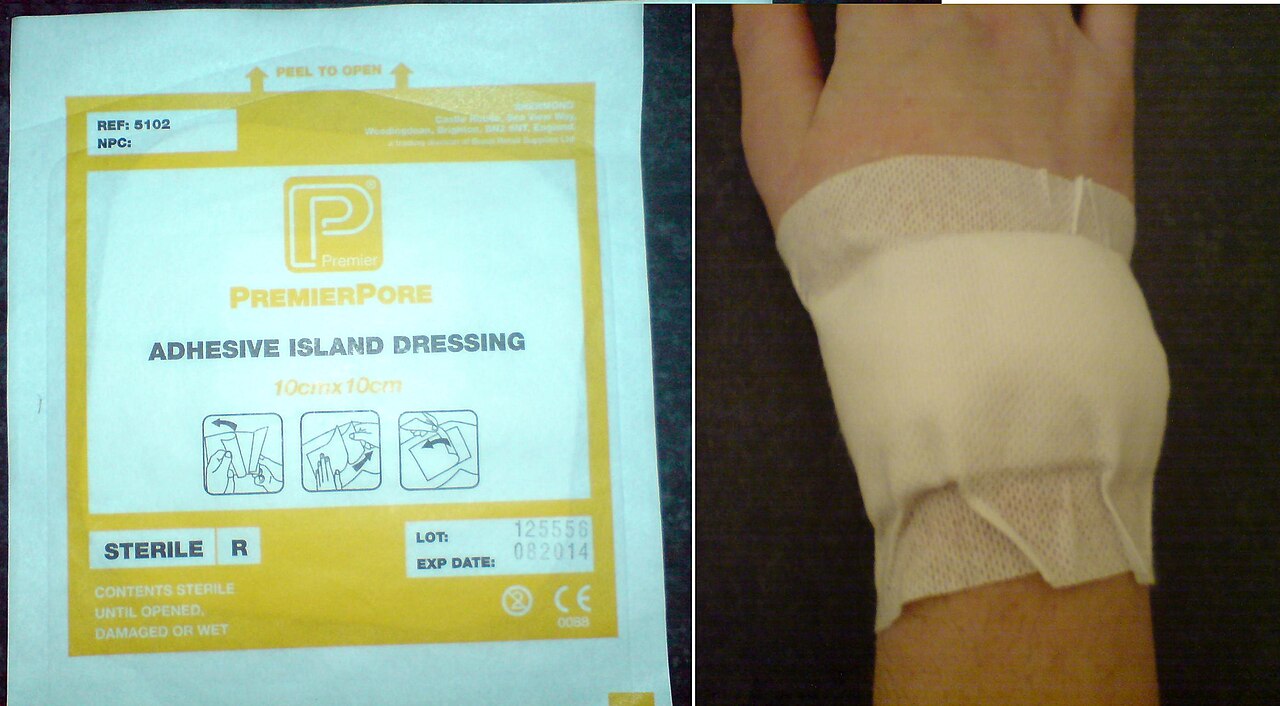
Banner image: Adhesive dressing-20100202 by Keithf2008 (Wikimedia Commons) / Kei_Jo (Wikipedia), Public domain, via Wikimedia Commons.
The data behind this story
Topics: Diabetes · Hospital · Geriatric
Go deeper