Sore knees, back pain and weak bones become more common with age. Many people turn to glucosamine, chondroitin, calcium or collagen. Some help in some cases. Many do less than the label suggests.
The size of the problem
WHO reports that about 1.71 billion people live with musculoskeletal conditions. They are the biggest cause of years lived with disability, at about 17% [1].
What the evidence says
- Glucosamine and chondroitin: the US NCCIH says studies suggest little, if any, meaningful improvement in osteoarthritis pain or function [2]. A 2018 analysis found some pain relief from each taken alone, but not together [3].
- Calcium and vitamin D: matter for bone health, mainly when diet is low or a deficiency is found.
- Exercise and weight control remain the base of joint care.
Rehabilitation matters more
Musculoskeletal conditions account for about two-thirds of adults who need rehabilitation [1]. Physiotherapy, strength training and staying active often do more for joints than any pill.
Go deeper
Want the full picture? Our report covers market size, growth, segments, countries and the key companies. Read the report or get a free sample.
Where people are affected
Musculoskeletal conditions affect people of all ages. They are not only a problem of old age [1]. Low back pain is the main reason people leave work early [1]. The number of people with low back pain is expected to rise, and faster in low- and middle-income countries [1].
More than 150 conditions
WHO groups these conditions by what they affect [1]:
- Joints: osteoarthritis, rheumatoid arthritis, gout.
- Bones: osteoporosis and fragility fractures.
- Muscles: sarcopenia, the loss of muscle with age.
- Several areas: back and neck pain, fibromyalgia, lupus.
They often come with other chronic diseases, such as heart disease, and with higher rates of mental health problems [1].
What guidelines say about glucosamine
The US NCCIH reviewed clinical guidelines on arthritis. They strongly recommend against glucosamine for hip, knee or hand osteoarthritis. They conditionally support chondroitin for hand osteoarthritis only [4]. The 2018 analysis of 29 studies with 6,120 people found some pain relief from each alone but not combined [3].
Muscle matters as much as bone
Sarcopenia, the loss of muscle, raises the risk of falls and fractures. Strength training and enough protein help keep muscle. This is why some joint and bone products now add protein or vitamin D. Their value depends on the person's diet and needs.
Care that helps
WHO's Integrated Care for Older People (ICOPE) approach includes steps to protect mobility [1]. WHO is also writing guidelines for non-surgical care of chronic low back pain [1]. Exercise, weight control and physiotherapy are at the heart of these plans.
Fractures and amputations
About 440 million people live with the effects of fractures, and 180 million with amputations [1]. Fragility fractures from osteoporosis often happen after a simple fall. They can lead to loss of independence in older people. Treating osteoporosis, preventing falls and building muscle all lower this risk.
Calcium and vitamin D
Calcium and vitamin D are needed for strong bones. People who get too little from food or sunlight may benefit from supplements. WHO advises that routine vitamin D should not be sold as a general fall-prevention step for all older adults [5]. It is better to test and treat a real deficiency.
What buyers should know
- Check the dose against recommended daily amounts.
- Very high doses are not better and can cause harm.
- Collagen, turmeric and other joint products have mixed evidence.
- Tell your doctor what you take, especially with kidney disease or other medicines.
Osteoarthritis up close
In osteoarthritis, the top layer of cartilage breaks down. Bones under it can rub together, causing pain, swelling and stiffness [6]. It is the most common type of arthritis, affecting more than 32.5 million US adults [7]. It becomes more common with age and is more common in women than men, especially after 50 [7]. Worldwide, about 528 million people live with it [1].
Work and income
Musculoskeletal conditions often affect people during their peak earning years [1]. Low back pain is the main reason for leaving work early [1]. The costs of early retirement, sick days and lost output are very large [1]. Employers have a stake in prevention, through better workplace design, exercise and early physiotherapy.
Children are affected too
Conditions such as juvenile arthritis affect children's growth and development [1]. Bone and joint health is not only an issue for older adults.
Key numbers at a glance
- About 1.71 billion people live with musculoskeletal conditions.
- Low back pain: 570 million people.
- Osteoarthritis: 528 million people.
- These conditions cause about 17% of years lived with disability.
- Guidelines strongly recommend against glucosamine for hip, knee and hand osteoarthritis.
Exercise, weight control and physiotherapy remain the base of joint care, with supplements as a minor extra.
Where to read more
All figures in this article come from public sources listed below. For more detail, start with the WHO fact sheet on musculoskeletal health and the NCCIH pages on osteoarthritis. Each is free to read online.
What this means
As people live longer, demand for joint and bone products will grow. Products backed by good trials, and honest about limits, will earn more trust from doctors and buyers.
Explore on Acuitas
- Bone & Joint Health Supplements market report – size, growth and key players
- Bone & Joint Health Supplements statistics – key numbers, trials and research in one place
- Top 10 fastest-growing OTC & Nutraceuticals markets
- Global 3D Printed Implants Market Analysis – related market
- Global Adaptogens Market Analysis – related market
- Global Amino Acid Market Analysis – related market
- Knee replacements – free chart in the Public Health Dashboard
- Hip replacements – free chart in the Public Health Dashboard
- Get a free sample report or talk to our team
Topics: Bones and joints · Geriatric · Nutrition
Sources
- WHO fact sheet: Musculoskeletal health
- NCCIH: 5 tips on natural products used for common ageing-related conditions
- NCCIH: Glucosamine and chondroitin for osteoarthritis
- NCCIH: Arthritis and complementary health approaches – what the science says
- WHO fact sheet: Falls
- NCCIH: Osteoarthritis – in depth
- NCCIH: 7 things to know about complementary health approaches for osteoarthritis
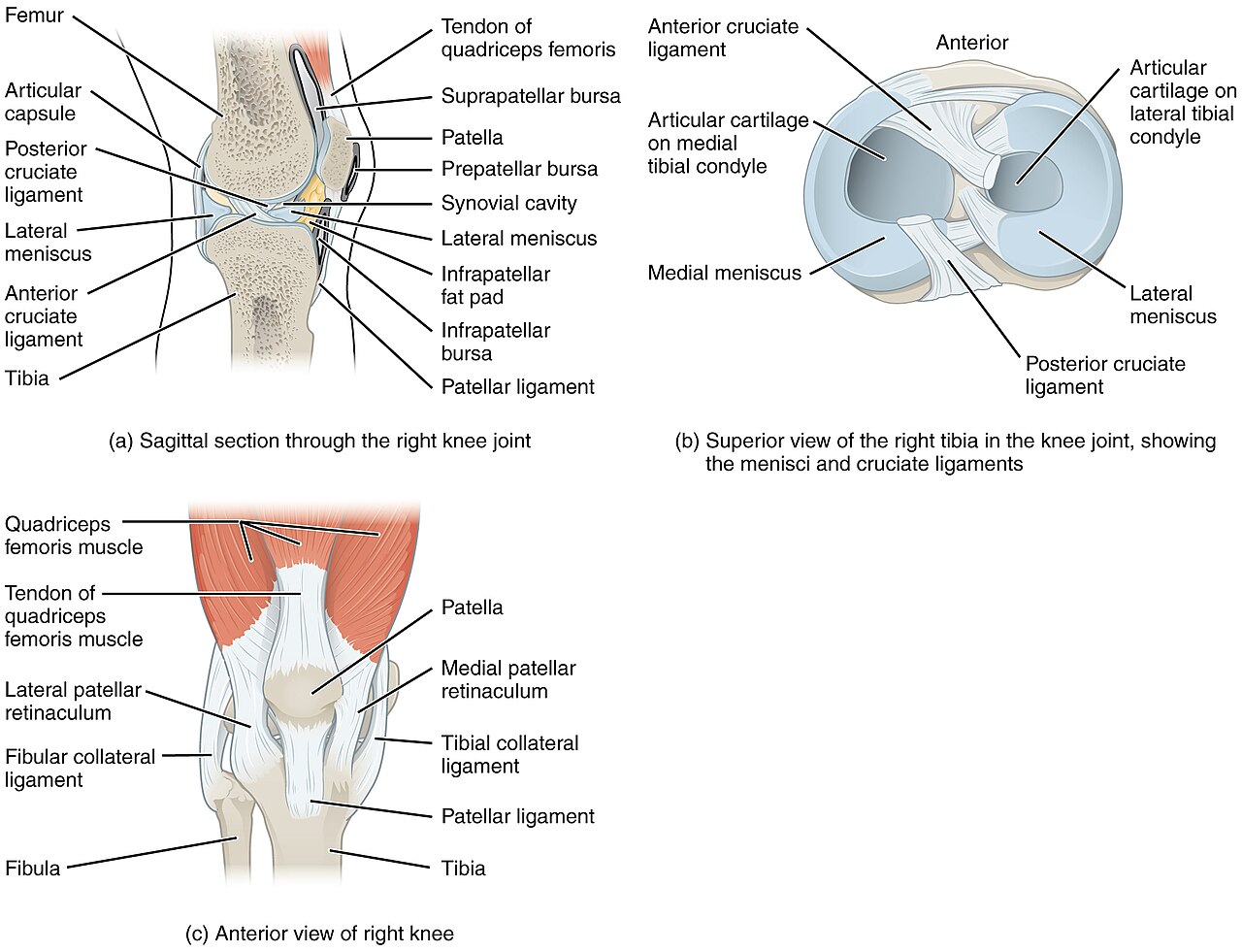
Banner image: 917 Knee Joint by OpenStax College, CC BY 3.0, via Wikimedia Commons.
The data behind this story
Topics: Bones and joints · Geriatric · Nutrition
Go deeper