Sports nutrition products were once made for elite athletes. Today, protein bars, shakes, energy gels and pre-workout powders are sold in supermarkets and corner shops. Many buyers are gym-goers, runners or simply people who want a convenient snack. The evidence and the risks are worth knowing before you buy.
What the Olympic experts say
In 2018, the International Olympic Committee (IOC) published a consensus statement on supplements for high-performance athletes. It said nutrition usually makes a small but valuable contribution to performance, and supplements make a minor contribution on top of a good diet [1]. Only a few performance supplements had good evidence of benefit [1]:
- Caffeine: improves endurance and some types of high-intensity exercise.
- Creatine: helps with repeated short bursts of high-intensity work and strength training.
- Dietary nitrate: found in beetroot juice; may help endurance.
- Beta-alanine: may help in efforts lasting one to several minutes.
- Sodium bicarbonate: may help in short, intense efforts, but often upsets the stomach.
The NIH Office of Dietary Supplements notes that most products sold for exercise and performance have little research behind them, and some have risks [4].
Everyday sports foods
- Protein powders and bars: convenient, but most active people can meet protein needs from food.
- Sports drinks: useful for long or hot sessions; for short workouts, water is enough.
- Energy gels: quick carbohydrate during long runs or rides.
- Recovery drinks: carbohydrate and protein after hard training; milk can do a similar job.
The contamination problem
An international study funded by the IOC tested 634 non-hormonal supplements bought in 13 countries. 94 of them, or 14.8%, contained anabolic steroids that were not listed on the label [2]. Some contained enough to cause a positive doping test.
The problem has not gone away. A study of US FDA warnings found 776 tainted supplements between 2007 and 2016. Of the muscle-building products, 89.1% contained synthetic steroids or steroid-like ingredients [3].
Who uses sports nutrition now
The market has spread from elite sport to amateur athletes, gym members, older adults trying to keep muscle and people who want high-protein snacks. Plant-based proteins, lower-sugar drinks and "clean label" products are growing. Women and older people are a larger part of the customer base than before.
Food first for most people
For most active people, regular meals with enough energy, protein, carbohydrate, fruit and vegetables cover their needs. Supplements can help in specific cases: during very long events, when travelling, or when a dietitian finds a gap. Children and teenagers should rarely need performance supplements.
Tips for athletes in tested sports
- Use only products certified by a third-party sport testing programme.
- Check each batch number against the certifier's list.
- Avoid products that promise steroid-like or "anabolic" effects.
- Keep a record of products and batches you use.
Key numbers at a glance
- 14.8% of 634 supplements contained undeclared steroids.
- 89.1% of tainted muscle-building products contained steroid-like drugs.
- IOC lists 5 performance supplements with good evidence.
Questions to ask before buying
- Do I actually need this, or can food do the job?
- Is there good evidence for this ingredient and dose?
- Is the product third-party tested?
- Could it interact with my medicines?
Go deeper
Want the full picture? Our report covers market size, growth, segments, countries and the key companies. Read the report or get a free sample.
Common myths
- "More protein builds more muscle." Beyond daily needs, extra protein adds calories, not muscle.
- "Sports drinks are needed for every workout." Water is enough for most sessions under an hour.
- "If it is sold in a shop, it must be safe." Studies have found hidden steroids in supplements sold openly [2][3].
Reading the label
- Check the exact ingredient and dose, not just the brand name.
- Look for an independent quality seal, such as USP or NSF.
- Be wary of words like "clinically proven" without a named study.
- Check for a batch number and expiry date.
- Avoid "proprietary blends" that hide how much of each ingredient is inside.
In short
Eat well first, use a few proven supplements only when needed, and choose third-party tested products.
What this means
Sports nutrition is now an everyday product category. A few supplements have strong evidence, but many do not, and contamination is a real risk. Choosing tested products and putting food first gives the best results.
Where to read more
All figures in this article come from public sources listed below. For more detail, start with the IOC consensus statement and the NIH fact sheet on supplements for exercise. Each is free to read online. If anything here raises a question about your own health, take this article to your doctor or pharmacist and talk it through together. Buyers, investors and policy makers can also use these sources to check claims in sales materials and compare options on the same public evidence. Where public sources disagree or update their figures, we note the year of each number so readers can see how the picture changes over time.
Explore on Acuitas
- Sports Nutrition market report – size, growth and key players
- Sports Nutrition statistics – key numbers, trials and research in one place
- Top 10 fastest-growing OTC & Nutraceuticals markets
- Global Adaptogens Market Analysis – related market
- Global Amino Acid Market Analysis – related market
- Global Antioxidants Market Analysis – related market
- Not active enough (adults) – free chart in the Public Health Dashboard
- Stunting in children under 5 – free chart in the Public Health Dashboard
- Get a free sample report or talk to our team
Sources
- Maughan RJ et al. IOC consensus statement: dietary supplements and the high-performance athlete (British Journal of Sports Medicine, 2018)
- Geyer H et al. Analysis of non-hormonal nutritional supplements for anabolic-androgenic steroids: results of an international study (International Journal of Sports Medicine, 2004)
- Tucker J et al. Unapproved pharmaceutical ingredients included in dietary supplements associated with US FDA warnings (JAMA Network Open, 2018)
- NIH Office of Dietary Supplements: Dietary supplements for exercise and athletic performance
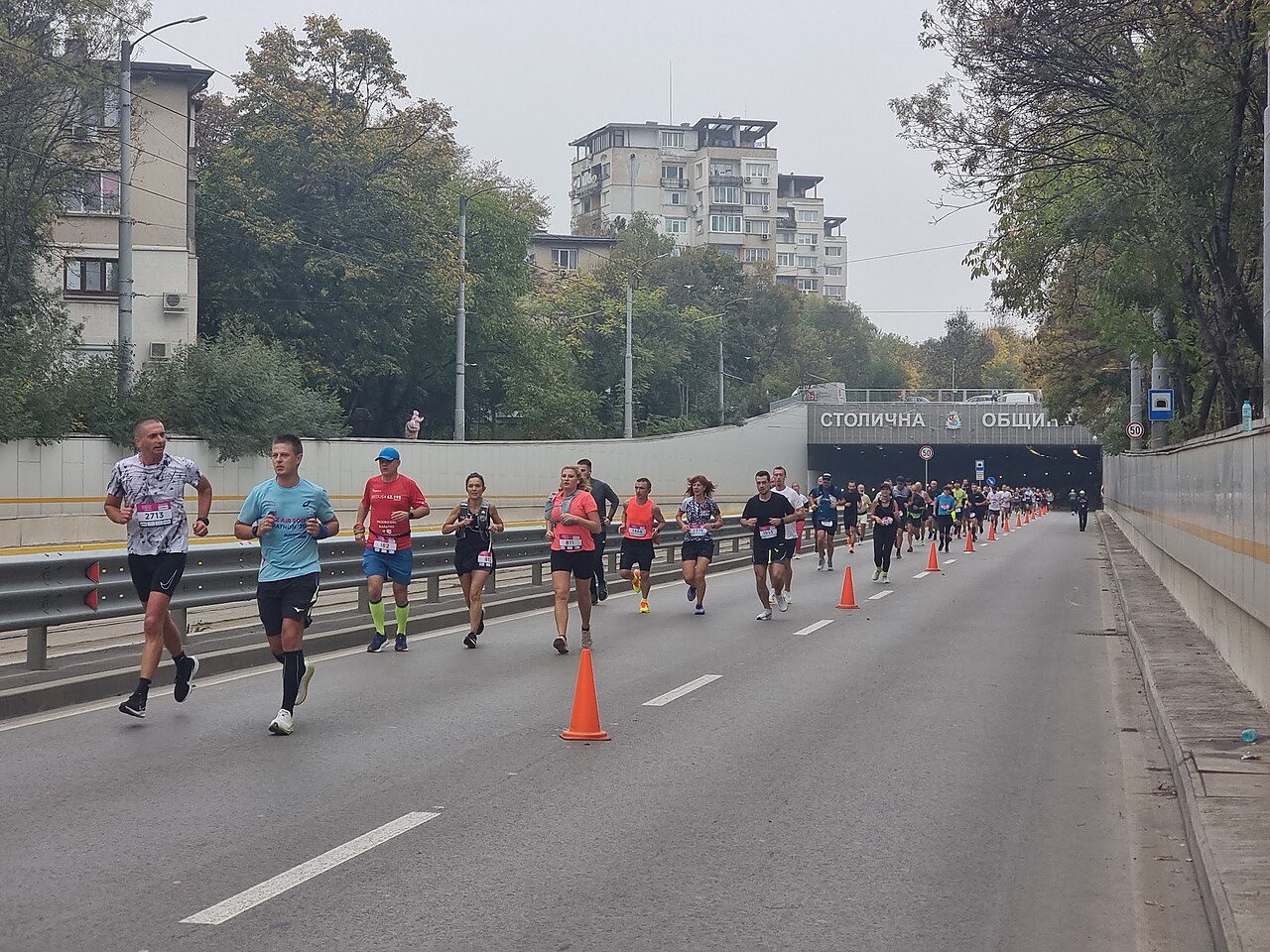
Banner image: Runners exiting a road tunnel during the 2024 Sofia Marathon by DemieK07, CC BY 4.0, via Wikimedia Commons.
The data behind this story
Go deeper