Herbs such as turmeric, ashwagandha, ginseng and ginger are sold as capsules, powders and teas. Many come from long traditions like Ayurveda and traditional Chinese medicine. Being natural does not always mean being safe or effective.
How widely are they used?
WHO reports that 170 of its 194 member states report the use of traditional medicine. In these countries, 40–90% of people use it [1]. In 2022, WHO set up its Global Centre for Traditional Medicine in India, backed by US$250 million from the Government of India [2].
Quality and safety concerns
- In the US, the FDA does not review supplements for safety and effectiveness before they are sold [3].
- Some products have been found to contain hidden prescription drugs, mostly those sold for weight loss, sexual health and bodybuilding [4].
- Herbs can interact with prescription medicines [3].
- Some products have been contaminated with heavy metals or the wrong plant [5].
How buyers can choose better
- Look for third-party quality seals that test what is in the bottle.
- Tell your doctor and pharmacist about every supplement you take [3].
- Be wary of claims that a product cures disease.
Go deeper
Want the full picture? Our report covers market size, growth, segments, countries and the key companies. Read the report or get a free sample.
Traditional medicine goes global
For many people, traditional medicine is the main source of health care. It is local, affordable and fits their culture [1]. WHO's second Global Summit on traditional medicine, held in New Delhi in December 2025, focused on evidence and safe use [1]. WHO is also building a Traditional Medicine Global Library to gather research in one place [6].
Natural is not the same as safe
The NCCIH warns that herbs carry the same dangers as other active compounds [7]. They can cause side effects, interact with medicines and harm people with some health conditions. Some ashwagandha products, for example, have been linked to rare liver injury [8].
Herb and drug interactions
Many people take herbs alongside prescription medicines without telling their doctor. Some herbs change how the body breaks down drugs. That can make a medicine too strong or too weak. This matters most for blood thinners, heart drugs, HIV medicines, transplant drugs and cancer treatments.
Contamination and mix-ups
The NCCIH reports that some Chinese herbal products have been found contaminated with toxic compounds, heavy metals, pesticides or germs [5]. Mistakes in making them, where one herb is swapped for another, have also caused serious harm [5]. Testing and good manufacturing rules are the best protection.
Children and pregnancy
Few herbal products have been studied in children or in pregnancy. The NCCIH warns that supplements may be poor quality and contain drugs, chemicals or metals [9].
A checklist for buyers
- Check the plant name and the part used, such as root or leaf.
- Look for the amount of active ingredient per dose.
- Prefer brands that publish independent test results.
- Avoid products sold for weight loss, sex or bodybuilding with big promises [4].
- Stop and seek care if you notice yellow skin, dark urine or severe stomach pain.
Who regulates herbal products?
Rules differ by country. In the US, the FDA does not review supplements for safety and effectiveness before they go on sale [3]. Buyers ordering online from abroad may get products made under weaker rules than at home.
WHO says member states' top request is for evidence, data, standards and rules for safe and fair use of traditional medicine [10].
Popular herbs and what is known
- Ashwagandha: some evidence for stress and insomnia; unclear for anxiety; rare liver injury [8].
- Turmeric, ginger, ginseng: widely used; evidence differs by use and product.
- Chinese herbal medicines: some products have been contaminated or mixed up [5].
Studies of one product do not always apply to another. The amount of active compound can differ a lot between brands, batches and plant parts.
Tell your health team
The NCCIH advises telling all health providers about any complementary products you use [3]. This helps them spot interactions and side effects. It matters most before surgery, during pregnancy, and for people taking several prescription medicines.
Using supplements wisely
The NCCIH notes that some supplements have shown some benefit, such as melatonin for jet lag. Others show little or no benefit, such as ginkgo for dementia [11]. Buyers should look for good research on the exact use they want, not general claims of "wellness".
Key numbers at a glance
- 170 of 194 WHO member states report traditional medicine use.
- 40–90% of people use it in those countries.
- India backed WHO's Global Traditional Medicine Centre with US$250 million.
- In the US, the FDA does not review supplements before sale.
Herbal products are popular worldwide. Trust depends on quality testing and honest claims.
Where to read more
All figures in this article come from public sources listed below. For more detail, start with the NCCIH pages on herbal supplements and herb-drug interactions, and WHO's traditional medicine pages. Each is free to read online.
What this means
Demand for herbal products is strong, especially in Asia. The brands that will last are the ones that test their products, publish evidence and make honest claims.
Explore on Acuitas
- Herbal Supplements market report – size, growth and key players
- Herbal Supplements statistics – key numbers, trials and research in one place
- Top 10 fastest-growing OTC & Nutraceuticals markets
- Global Adaptogens Market Analysis – related market
- Global Amino Acid Market Analysis – related market
- Global Anthelmintic Drug Market Analysis – related market
- Stunting in children under 5 – free chart in the Public Health Dashboard
- Wasting in children under 5 – free chart in the Public Health Dashboard
- Get a free sample report or talk to our team
Topics: Nutrition · OTC medicines
Sources
- WHO news (17 Dec 2025): Second Global Summit on traditional medicine
- WHO news (25 Mar 2022): WHO establishes the Global Centre for Traditional Medicine in India
- NCCIH: Dietary and herbal supplements
- NCCIH: 5 tips – what consumers need to know about dietary supplements
- NCCIH: Traditional Chinese medicine – what you need to know
- WHO news (25 Sep 2025): Traditional Medicine Global Library to launch in 2025
- NCCIH: Herb-drug interactions
- NCCIH: Ashwagandha – usefulness and safety
- NCCIH: 10 things to know about dietary supplements for children and teens
- WHO Global Traditional Medicine Centre: About us
- NCCIH: Using dietary supplements wisely
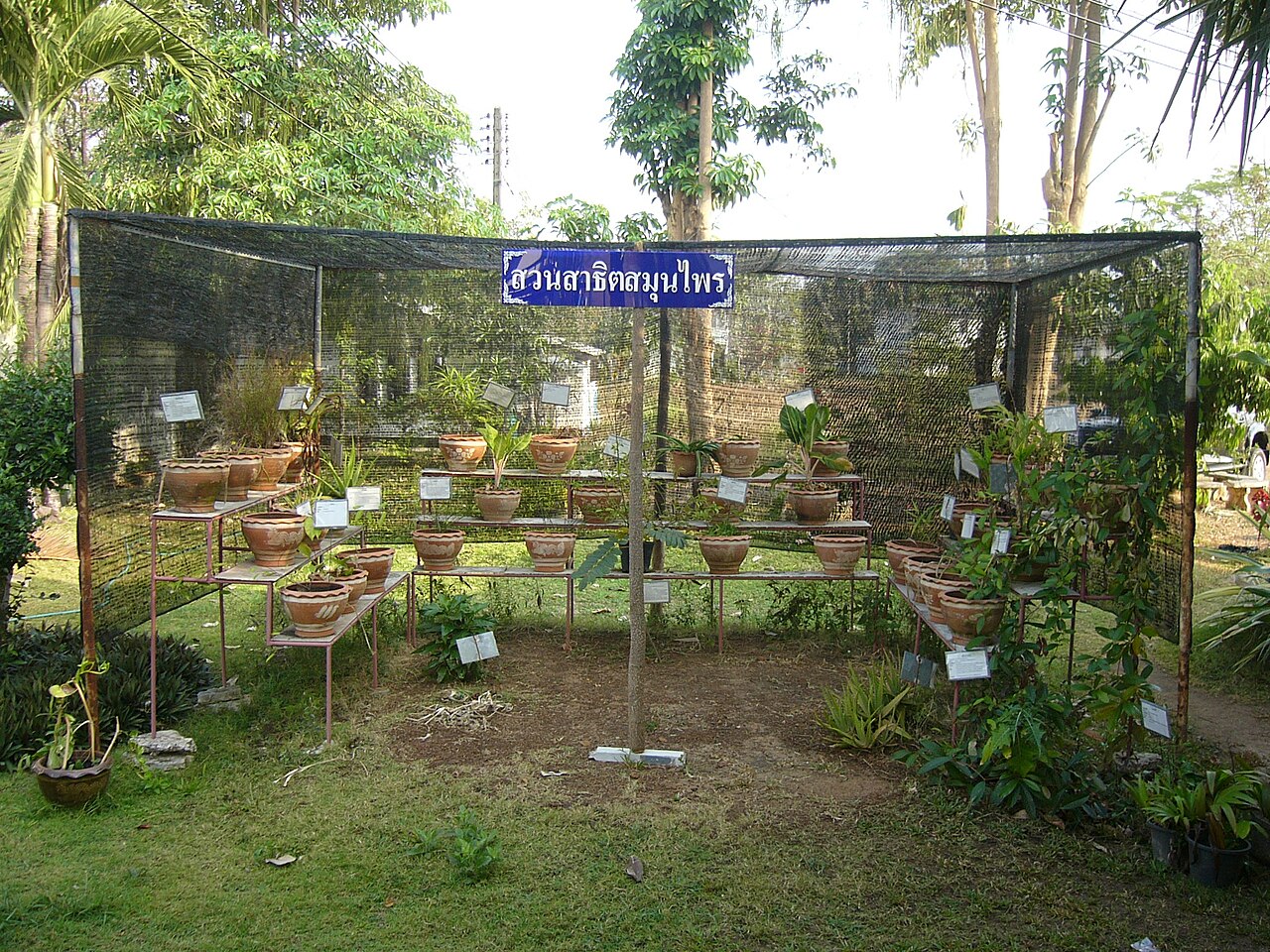
Banner image: Medicinal herbs garden hospital by User:Mattes, Public domain, via Wikimedia Commons.
The data behind this story
Topics: Nutrition · OTC medicines
Go deeper