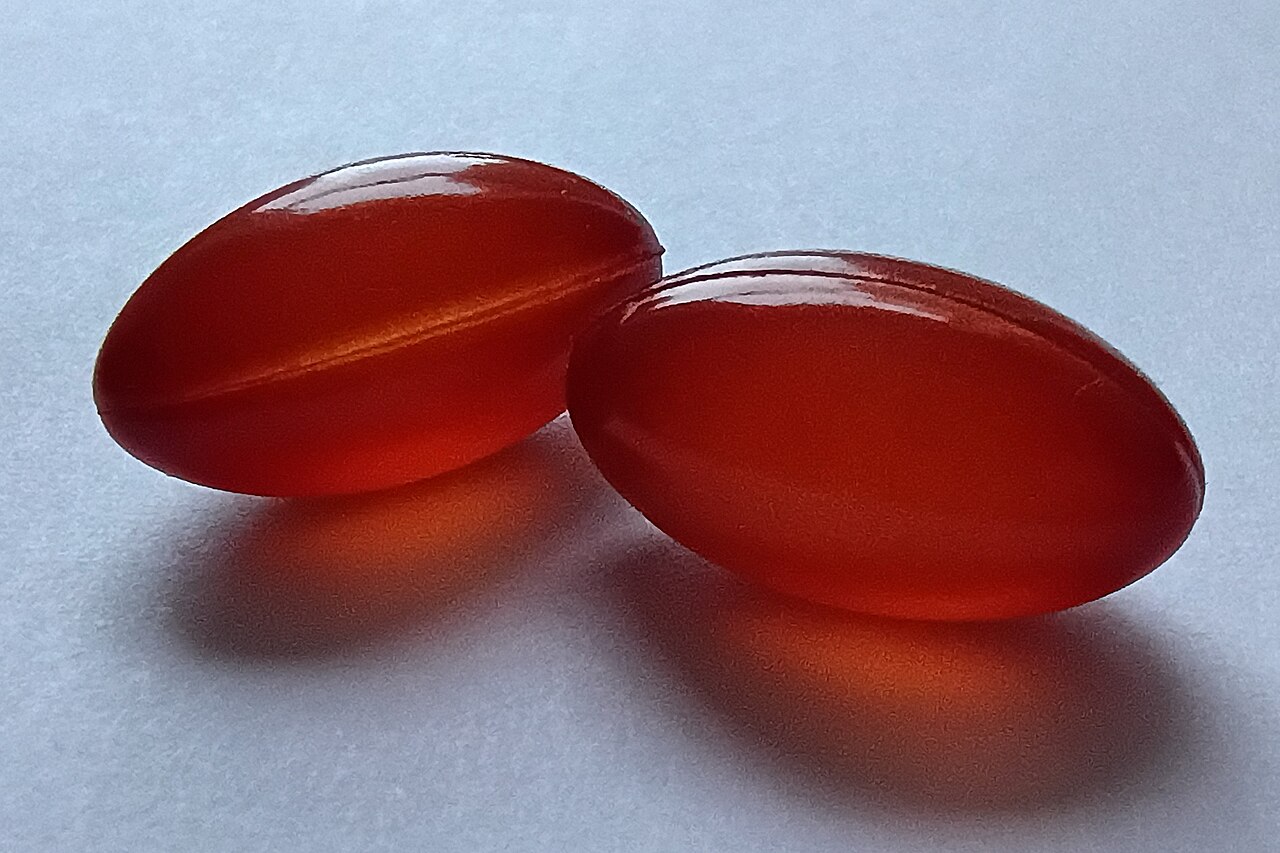
Collagen is the main structural protein in the body. It gives strength to skin, bones, tendons, ligaments and cartilage. The body makes less collagen with age, and skin loses firmness. Collagen supplements, usually sold as powders, drinks or capsules, promise to slow this. They have become one of the most popular supplements in the world.
What is in the tub
Most products contain hydrolysed collagen, also called collagen peptides. It comes from the skin, bones or scales of cows, pigs, chickens or fish. The collagen is broken into small pieces so it dissolves easily. Once swallowed, it is digested into amino acids and short peptides, like any other protein.
Collagen is not a complete protein. It is low in some essential amino acids, so it should not replace other protein foods.
Skin: what the trials show
A 2025 systematic review in the American Journal of Medicine pooled 23 randomised trials with 1,474 participants [1]. When all trials were combined, collagen appeared to improve skin hydration, elasticity and wrinkles. But when the authors looked only at trials without industry funding, or only at high-quality trials, there was no significant effect [1]. They concluded that there is currently no clinical evidence to support collagen supplements to prevent or treat skin ageing [1].
This is a common pattern in supplement research. Small, company-funded studies often show benefits that larger independent studies do not confirm. It does not prove collagen is useless, but it means strong claims on labels are not settled science.
Joints: why people try it
Joint pain is very common. WHO says about 528 million people were living with osteoarthritis in 2019, up 113% since 1990 [2]. About 73% of people with osteoarthritis are older than 55, and 60% are women [2].
Some small trials suggest collagen may ease joint pain in people with osteoarthritis or in athletes. But the trials are often short and small, and products and doses differ. Guidelines for osteoarthritis focus on exercise, weight management and proven pain treatments.
Other claims
- Hair and nails: very little good-quality evidence.
- Bones: some early studies, but calcium, vitamin D and exercise are better supported.
- Muscle: collagen is a weaker protein for building muscle than whey or other complete proteins.
- Gut health: claims of "healing the gut" are not supported by solid trials.
Safety
Collagen is generally well tolerated. Some people report mild stomach upset or a feeling of fullness. People with fish, shellfish or egg allergies should check the source. Because supplements are not approved for effectiveness before sale, quality and dose vary between brands [4]. Some products also contain added vitamins, sugar or sweeteners.
Things that do protect skin
- Daily sunscreen and shade, since sunlight is the main cause of skin ageing.
- Not smoking.
- Enough protein, vitamin C and a varied diet.
- Topical treatments, such as retinoids, recommended by a dermatologist.
Key numbers at a glance
- 2025 review: 23 trials, 1,474 participants.
- No significant skin benefit in independent or high-quality trials.
- 528 million people lived with osteoarthritis in 2019.
- Osteoarthritis cases up 113% since 1990.
Reading the label
- Check the exact ingredient and dose, not just the brand name.
- Look for an independent quality seal, such as USP or NSF.
- Be wary of words like "clinically proven" without a named study.
- Check for a batch number and expiry date.
- Avoid "proprietary blends" that hide how much of each ingredient is inside.
Go deeper
Want the full picture? Our report covers market size, growth, segments, countries and the key companies. Read the report or get a free sample.
Common myths
- "Collagen goes straight to your skin." It is digested into amino acids and small peptides first, like other proteins.
- "Marine collagen is always better." No independent trials show one source clearly beats another.
- "More is better." Higher doses add cost but have not been shown to add benefit.
Questions to ask before buying collagen
- Which animal or fish is it from, and do I have allergies to it?
- Is the dose the same as in published trials?
- Was the study behind the claim independent of the brand?
- Am I already doing the basics, like sunscreen and enough protein?
In short
Collagen is safe for most people, but strong independent proof of benefit is missing. Protect your skin from the sun and keep active for healthy joints.
What this means
Collagen is safe for most people but its benefits are less clear than the marketing suggests. For skin, sun protection matters more. For joints, exercise and proven treatments come first. Independent trials will decide whether collagen earns its place.
Where to read more
All figures in this article come from public sources listed below. For more detail, start with the 2025 American Journal of Medicine review and the WHO osteoarthritis fact sheet. Each is free to read online. If anything here raises a question about your own health, take this article to your doctor or pharmacist and talk it through together. Buyers, investors and policy makers can also use these sources to check claims in sales materials and compare options on the same public evidence. Where public sources disagree or update their figures, we note the year of each number so readers can see how the picture changes over time.
Explore on Acuitas
- Collagen Supplements market report – size, growth and key players
- Collagen Supplements statistics – key numbers, trials and research in one place
- Top 10 fastest-growing OTC & Nutraceuticals markets
- Global 3D Printed Implants Market Analysis – related market
- Global Adaptogens Market Analysis – related market
- Global Aesthetic Lasers and Energy Devices Market Analysis – related market
- Stunting in children under 5 – free chart in the Public Health Dashboard
- Wasting in children under 5 – free chart in the Public Health Dashboard
- Get a free sample report or talk to our team
Topics: Nutrition · Skin and hair · Bones and joints · Geriatric
Sources
- Myung SK, Park Y. Effects of collagen supplements on skin aging: a systematic review and meta-analysis of randomized controlled trials (American Journal of Medicine, 2025)
- WHO fact sheet: Osteoarthritis
- Long H et al. Prevalence trends of site-specific osteoarthritis from 1990 to 2019 (Arthritis & Rheumatology, 2022)
- US FDA: Dietary supplements
Banner image: Algae omega-3 270mg capsules - vegan by P3829, CC0, via Wikimedia Commons.
The data behind this story
Topics: Nutrition · Skin and hair · Bones and joints · Geriatric
Go deeper