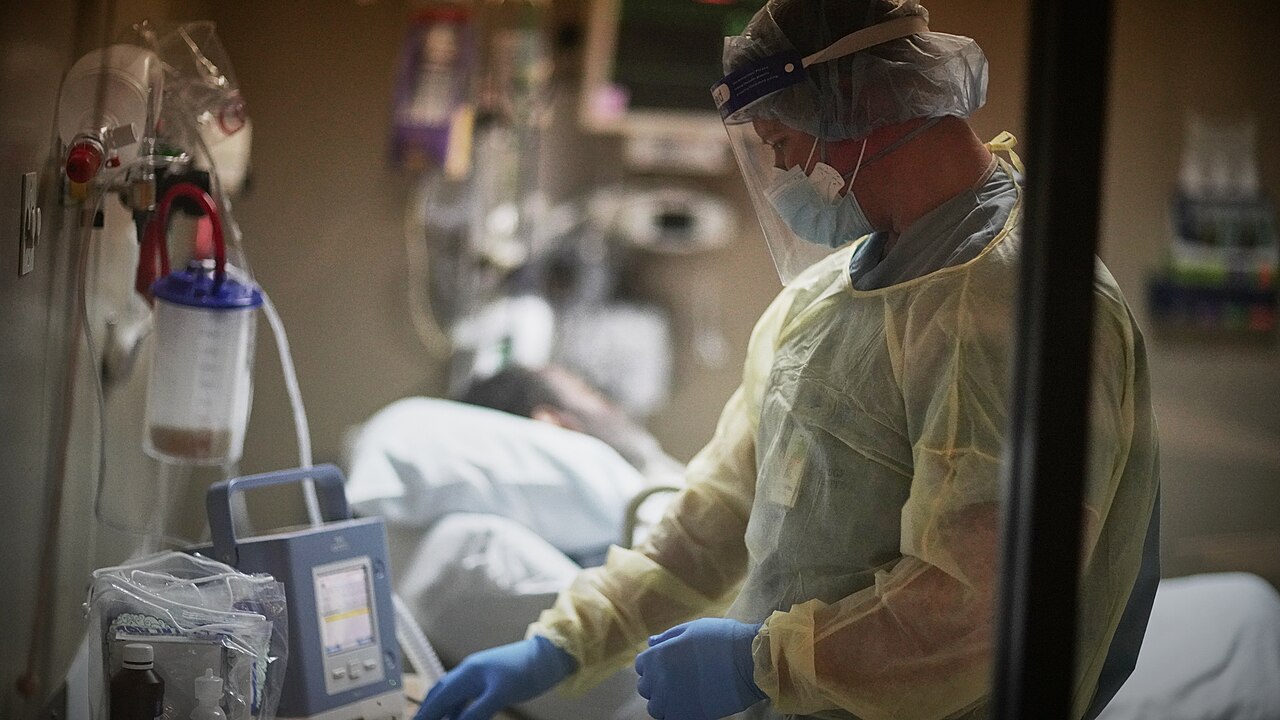
Anaesthesia and respiratory devices keep people breathing safely during surgery and serious illness. They include anaesthesia machines, ventilators, oxygen concentrators, CPAP and high-flow devices, monitors and the masks and tubes that connect them to patients. COVID-19 put them in the spotlight.
The oxygen gap
The Lancet Global Health Commission on medical oxygen security reported in 2025 that more than 5 billion people lack access to safe, affordable medical oxygen [1]. Unitaid, summarising the Commission, says 374 million newborns, children and adults need medical oxygen each year, with 82% of them in low- and middle-income countries [2]. In these countries, fewer than 1 in 3 people who need oxygen for acute illness or surgery get it [2].
Lessons from COVID-19
- Many hospitals ran short of oxygen, ventilators and trained staff.
- Supply chains for masks, tubing and spare parts broke down.
- Simpler tools, such as oxygen concentrators and pulse oximeters, proved vital.
- Devices donated without maintenance plans often stopped working.
Chronic lung disease
Respiratory devices are not only for emergencies. COPD was the third leading cause of death in 2023, with 3.4 million deaths [3]. People with severe COPD may need home oxygen, nebulisers and non-invasive ventilation. WHO notes that COPD can be treated with medicines, oxygen and pulmonary rehabilitation [3].
Anaesthesia safety
Safe anaesthesia needs a working machine, oxygen supply, monitors (including pulse oximetry and capnography), trained staff and safety checks. The WHO Surgical Safety Checklist includes checks on anaesthesia equipment and the patient's airway. In a large 2009 study, using the checklist cut deaths from 1.5% to 0.8% and complications from 11% to 7% [4].
What health systems are doing
- Building national oxygen plans and local oxygen plants.
- Buying pulse oximeters for every clinic, to spot low oxygen early.
- Training biomedical engineers to keep devices running.
- Choosing devices that work with local power and spare parts.
- Stockpiling key supplies for future emergencies.
Environmental impact
Some anaesthetic gases are powerful greenhouse gases. Hospitals are switching to lower-impact gases, using lower gas flows and capturing waste gases. These steps cut costs and emissions.
Key numbers at a glance
- More than 5 billion people lack safe, affordable oxygen.
- 374 million people need medical oxygen each year.
- Fewer than 1 in 3 who need it in poorer countries get it.
- Checklist cut surgical deaths from 1.5% to 0.8%.
Go deeper
Want the full picture? Our report covers market size, growth, segments, countries and the key companies. Read the report or get a free sample.
Pulse oximeters
A pulse oximeter clips on a finger and measures oxygen levels in the blood in seconds. It is cheap, simple and helps spot low oxygen in children with pneumonia, adults with COVID-19 and patients after surgery. The Lancet oxygen Commission calls for wider use of pulse oximeters as part of national oxygen plans. Some devices are less accurate on darker skin, which makers and regulators are working to fix.
Oxygen sources
- Cylinders: portable but need refilling and transport.
- Concentrators: make oxygen from room air; need steady power.
- Oxygen plants: supply whole hospitals through pipes.
- Liquid oxygen: for large hospitals with good supply chains.
Most hospitals need a mix, with backups for power cuts and peaks in demand.
Maintenance matters
Many donated ventilators and concentrators break down because of missing spare parts or trained technicians. Planning for maintenance, from day one, keeps equipment working for years.
Training staff
Devices only help when staff can use them safely. Regular training on ventilators, high-flow oxygen and anaesthesia machines, plus clear protocols, reduces errors. Simulation training lets teams practise rare emergencies without risk to patients.
In short
Oxygen, ventilators and anaesthesia machines save lives only when they are available, maintained and used by trained staff. Planning for all three is the main lesson from COVID-19.
What this means
COVID-19 showed that oxygen and breathing support are essential, not optional. The next step is reliable, maintained systems in every hospital, from district to city level, ready for both daily needs and emergencies.
Where to read more
All figures in this article come from public sources listed below. For more detail, start with the Lancet Global Health Commission on medical oxygen security and the WHO COPD fact sheet. Each is free to read online. If anything here raises a question about your own health, take this article to your doctor or pharmacist and talk it through together. Buyers, investors and policy makers can also use these sources to check claims in sales materials and compare options on the same public evidence. Where public sources disagree or update their figures, we note the year of each number so readers can see how the picture changes over time. Readers who spot an error or a newer source are welcome to contact our team. Reader questions help us choose which topics to cover in future articles and reports, so please tell us what you would like to see next. You can also explore the related reports, statistics and free charts linked above.
Explore on Acuitas
- Anesthesia & Respiratory Devices market report – size, growth and key players
- Anesthesia & Respiratory Devices statistics – key numbers, trials and research in one place
- Top 10 fastest-growing Medical Devices markets
- Global 3D Laparoscopy Imaging Systems Market Analysis – related market
- Global 3D Printing in Medical Application Market Analysis – related market
- Global Acute Care Needleless Connectors Market Analysis – related market
- Deaths from air pollution – free chart in the Public Health Dashboard
- Fine dust in the air (PM2.5) – free chart in the Public Health Dashboard
- Get a free sample report or talk to our team
Topics: Respiratory · Surgery · Hospital
Sources
- Graham HR et al. The Lancet Global Health Commission on medical oxygen security (2025)
- Unitaid: Medical oxygen a lifesaving investment – landmark report launched
- WHO fact sheet: COPD
- Haynes AB et al. A surgical safety checklist to reduce morbidity and mortality in a global population (NEJM, 2009)
Banner image: Lt. Cmdr. Michael Heimes checks on a patient connected to a ventilator at Baton Rouge Gen… by Official U.S. Navy Page, CC BY 2.0, via Wikimedia Commons.
The data behind this story
Topics: Respiratory · Surgery · Hospital
Go deeper