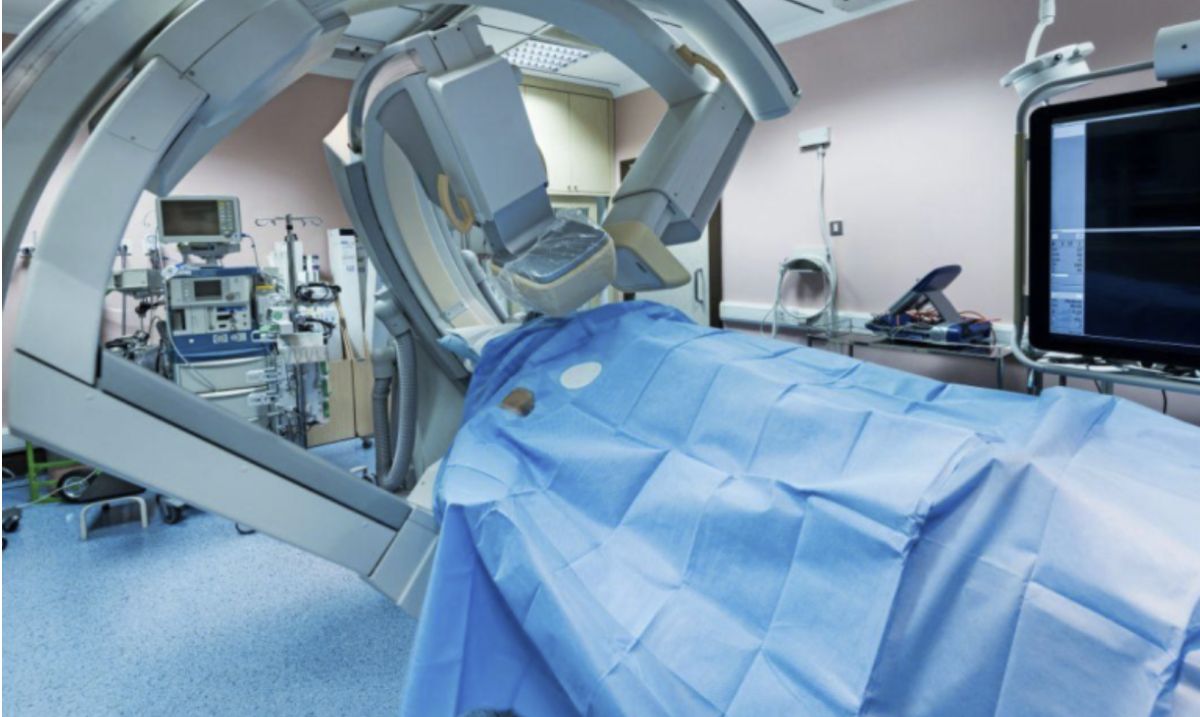
Angioplasty opens blocked heart arteries using a thin tube and a small balloon. The balloon is inflated inside the narrowed artery to push the blockage aside. Usually a stent, a small mesh tube, is then placed to keep the artery open. It is a key treatment for heart attacks and severe chest pain.
Heart disease is the top killer
WHO says cardiovascular diseases are the leading cause of death globally [1]. Most of these deaths are from heart attacks and strokes [1]. Over three quarters of cardiovascular deaths happen in low- and middle-income countries [1].
High blood pressure is a major driver. WHO estimates 1.4 billion adults have hypertension, two thirds of them in low- and middle-income countries [2]. India, with its large population, carries a big share of this burden.
India's stent price cap
In February 2017, India's National Pharmaceutical Pricing Authority set ceiling prices for coronary stents. The government told Parliament that price regulation brought down prices of bare metal stents by 74% and drug-eluting stents by 85% [3]. A 2017 article in Circulation noted that the move was praised by patient groups but criticised by some who feared shortages and less innovation [4].
Where balloons fit
- Pre-dilation balloons open the artery before a stent is placed.
- Post-dilation balloons expand the stent fully.
- Drug-coated balloons release medicine into the artery wall, sometimes used without a stent.
- Cutting and scoring balloons help with hard, calcified blockages.
Access in India
- Cath labs are mostly in cities, so rural patients may travel far.
- Heart attacks need treatment within hours for the best results.
- Government insurance schemes have widened access to procedures for poorer families.
- Many Indian makers now produce stents and balloons, lowering costs.
Before and after the procedure
Angioplasty treats a blockage but not the disease that caused it. Patients need medicines to prevent clots, lower cholesterol and control blood pressure. Stopping smoking, healthy eating and cardiac rehabilitation lower the risk of another heart attack.
Prevention
WHO says reducing salt, eating more fruit and vegetables, being physically active and avoiding tobacco and too much alcohol lower the risk of heart disease [1]. Screening and treating high blood pressure is one of the most effective steps [2].
Key numbers at a glance
- Cardiovascular disease: the leading cause of death worldwide.
- 1.4 billion adults have hypertension.
- India 2017 price cap: bare metal stents −74%, drug-eluting stents −85%.
Go deeper
Want the full picture? Our report covers market size, growth, segments, countries and the key companies. Read the report or get a free sample.
Heart attack: time is muscle
In a heart attack, heart muscle starts to die when blood flow stops. The sooner the artery is opened, the more muscle is saved. Where a cath lab is too far away, clot-busting drugs may be given first. Hub-and-spoke networks, where small hospitals give first treatment and transfer patients to a cath lab, are being built in several Indian states.
Know the warning signs
- Chest pain or pressure, which may spread to the arm, jaw or back.
- Shortness of breath.
- Sweating, nausea or light-headedness.
- In women, older adults and people with diabetes, symptoms can be milder or unusual.
Anyone with these signs should get emergency help immediately.
Cardiac rehabilitation
After angioplasty, supervised exercise, education and support help people recover and lower the risk of another event. Access to cardiac rehabilitation is still limited in many places, and home-based programmes are one way to reach more patients.
Quality and safety of devices
After price caps, some worried that quality might drop or that newer devices would not be launched [4]. India's regulators require stents and balloons to meet quality standards, and hospitals track outcomes. Patients can ask which device will be used and whether it is approved in India.
Paying for care
Public insurance schemes now cover angioplasty for many low-income families in India. This has increased the number of procedures in private and public hospitals. Making sure that coverage reaches rural areas, and that hospitals provide good follow-up, is the next challenge.
In short
Lower stent prices have helped more Indians get angioplasty.
What this means
India has made angioplasty more affordable through price controls and local manufacturing. The next steps are faster access to cath labs outside cities, and stronger prevention so fewer people need the procedure.
Where to read more
All figures in this article come from public sources listed below. For more detail, start with the WHO cardiovascular disease and hypertension fact sheets and the Lok Sabha answer on stent prices. Each is free to read online. If anything here raises a question about your own health, take this article to your doctor or pharmacist and talk it through together. Buyers, investors and policy makers can also use these sources to check claims in sales materials and compare options on the same public evidence. Where public sources disagree or update their figures, we note the year of each number so readers can see how the picture changes over time. Readers who spot an error or a newer source are welcome to contact our team. Reader questions help us choose which topics to cover in future articles and reports, so please tell us what you would like to see next.
Explore on Acuitas
- Angioplasty Balloons market report – size, growth and key players
- Angioplasty Balloons statistics – key numbers, trials and research in one place
- Top 10 fastest-growing Medical Devices markets
- Global Acute Care Needleless Connectors Market Analysis – related market
- Global Ambulatory Surgery Center Market Analysis – related market
- Global Anesthesia Monitoring Devices Market Analysis – related market
- Chance of dying 30–70 from heart disease, cancer, diabetes or lung disease – free chart in the Public Health Dashboard
- Clinical trials: Heart and blood vessels – free chart in the Public Health Dashboard
- Get a free sample report or talk to our team
Topics: Cardiovascular · Hospital
Sources
- WHO fact sheet: Cardiovascular diseases
- WHO fact sheet: Hypertension
- Lok Sabha answer: stent price regulation (bare metal stents down 74%, drug-eluting stents down 85%)
- India and the coronary stent market (Circulation, 2017)
Banner image: Coronary stenting conducted on a patient by WakeMed Heart & Vascular, CC BY 4.0, via Wikimedia Commons.
The data behind this story
Topics: Cardiovascular · Hospital
Go deeper