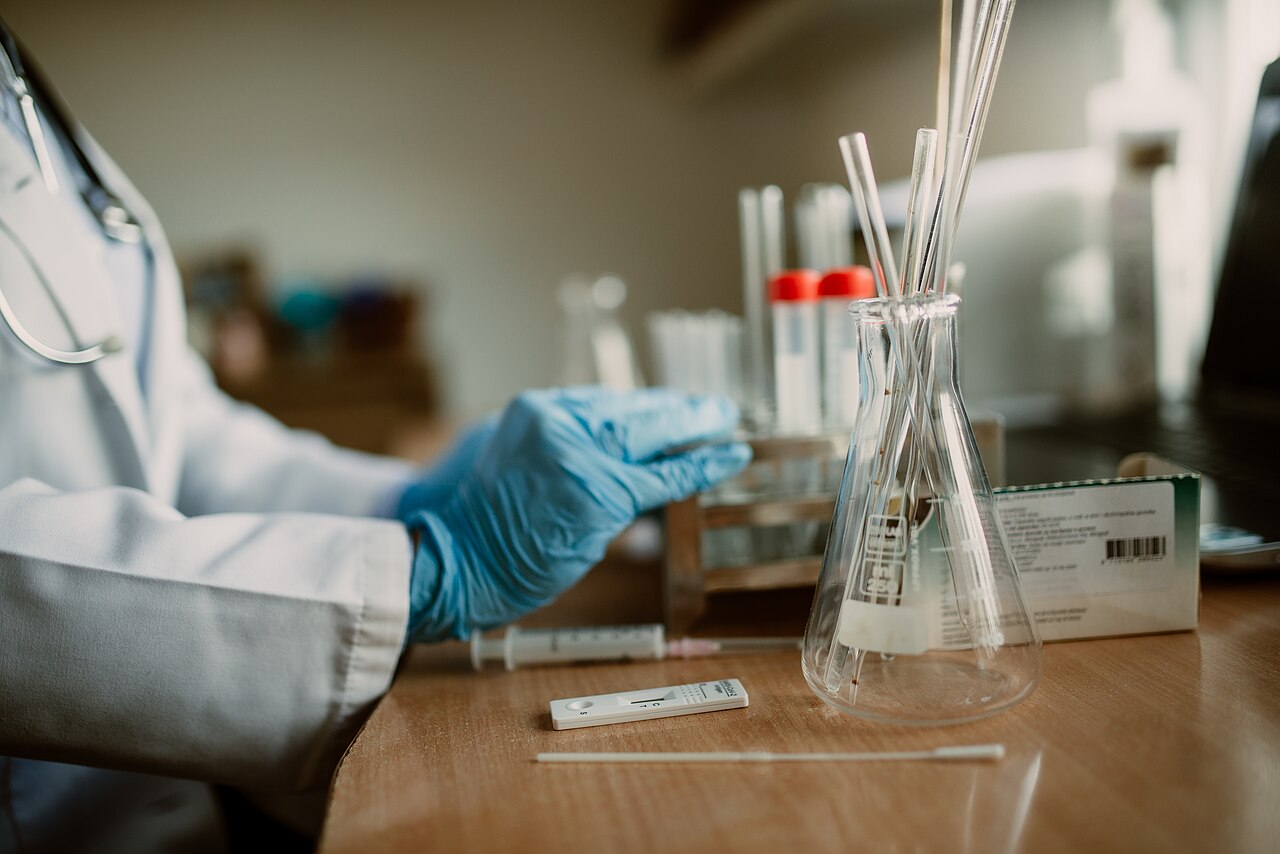
Biologic medicines, such as vaccines, antibodies, blood products and cell therapies, are made using living cells. Living systems can carry hidden contaminants: bacteria, fungi, mycoplasma or viruses. Biologic safety testing checks that every batch is safe and pure before it reaches patients.
The legal standards
In the US, general standards for biological products are set out in 21 CFR Part 610 [1]. It includes rules on sterility, purity, identity, constituent materials and testing for mycoplasma [1]. Similar standards exist in Europe, India and other regions, often based on shared international guidelines.
Main types of testing
- Sterility: making sure no bacteria or fungi grow in the product.
- Mycoplasma: checking for tiny bacteria that can infect cell cultures without obvious signs.
- Endotoxin: testing for toxins from bacteria that can cause fever.
- Viral safety: checking cell lines and products for viruses, and showing the process can remove or kill them.
- Identity and purity: confirming the product is what it should be, with no harmful impurities.
- Cell bank testing: checking the master cells used to make the product.
Viral safety guidance
In January 2024, the FDA adopted the updated international guideline ICH Q5A(R2) on viral safety of biotechnology products made from human or animal cell lines [2]. It sets out risk-based principles to keep these products free of viruses, and the data makers must include in their applications [2]. The update reflects newer products and new testing methods.
Why it matters
Biologics are given to millions of people, often by injection or infusion. A contaminated batch could harm many patients. Testing is also needed for every change in a process, a new plant or a new supplier. As biosimilars, gene therapies and cell therapies grow, so does the volume of testing.
Growth drivers
- More biologics and biosimilars in development and on the market.
- Cell and gene therapies, which need fast testing because products cannot wait long.
- Vaccine production, which grew sharply during COVID-19.
- Stricter rules and more inspections.
- Outsourcing of testing to specialist labs.
New testing methods
Traditional tests can take weeks, because labs wait for germs to grow. Faster methods, such as molecular tests and next-generation sequencing, can detect contaminants in days or hours. ICH Q5A(R2) recognises newer methods for viral testing [2]. This is especially important for cell therapies, which must often be given to patients quickly.
Challenges
- Validating new methods so regulators accept them.
- Small batch sizes for personalised therapies, which leave little sample to test.
- Shortage of trained quality control staff.
- Different rules across countries, which add cost for global products.
Key numbers at a glance
- US biologic standards: 21 CFR Part 610.
- FDA adopted updated viral safety guideline ICH Q5A(R2): January 2024.
Go deeper
Want the full picture? Our report covers market size, growth, segments, countries and the key companies. Read the report or get a free sample.
The life of a test sample
- Cell banks are tested before production starts.
- Samples are taken during production to check for contamination.
- The final bulk product is tested for purity, potency and safety.
- Each filled batch is tested for sterility and endotoxin.
- Results are reviewed before the batch is released.
Every step is recorded. Regulators can inspect these records at any time.
Outsourcing
Many drug makers send some or all safety testing to specialist contract labs. These labs have the equipment, validated methods and trained staff to run tests at scale. Choosing a lab with a good inspection history is an important decision for any biologic maker.
Cell and gene therapies
For personalised therapies such as CAR-T, each batch is made for one patient. There is little material to test, and the patient may be waiting. Rapid sterility and mycoplasma tests help release products faster. Regulators are working with makers to accept faster methods while keeping safety high.
Inspections and recalls
Regulators inspect plants and testing labs to check that methods are followed and records are complete. If a problem is found after release, a batch may be recalled. Good testing makes recalls rare and protects patients and makers alike.
Careers in quality
Biologic safety testing needs microbiologists, biochemists and quality specialists. Training programmes and clear career paths help meet the growing demand for these skills, especially in countries building new biomanufacturing.
In short
No batch of a biologic should reach a patient without passing safety tests. Faster, validated methods help new therapies reach patients sooner without cutting corners.
What this means
Safety testing rarely makes headlines, but no biologic reaches patients without it. Demand is rising with new types of medicines, and faster, validated methods will be key for therapies that cannot wait weeks for results.
Where to read more
All figures in this article come from public sources listed below. For more detail, start with 21 CFR Part 610 and the FDA's ICH Q5A(R2) guidance on viral safety. Each is free to read online. If anything here raises a question about your own health, take this article to your doctor or pharmacist and talk it through together. Buyers, investors and policy makers can also use these sources to check claims in sales materials and compare options on the same public evidence. Where public sources disagree or update their figures, we note the date of each number so readers can see how the picture changes over time. Readers who spot an error or a newer source are welcome to contact our team, and we will review it.
Explore on Acuitas
- Biological Safety Testing market report – size, growth and key players
- Biological Safety Testing statistics – key numbers, trials and research in one place
- Top 10 fastest-growing Pharmaceuticals markets
- Global Apheresis Equipments Market Analysis – related market
- Global Autologous Matrix-induced Chondrogenesis Market Analysis – related market
- Global Biosimilar Monoclonal Antibodies Market Analysis – related market
- Measles vaccine – free chart in the Public Health Dashboard
- DTP3 vaccine – free chart in the Public Health Dashboard
- Get a free sample report or talk to our team
Topics: Biologics and biosimilars · Vaccines
Sources
- US eCFR: 21 CFR Part 610 – General biological products standards
- US FDA: ICH Q5A(R2) viral safety evaluation of biotechnology products (2024)
Banner image: Scientist prepares samples in laboratory using various tools and equipment by Shixart1985, CC BY 2.0, via Wikimedia Commons.
The data behind this story
Topics: Biologics and biosimilars · Vaccines
Go deeper