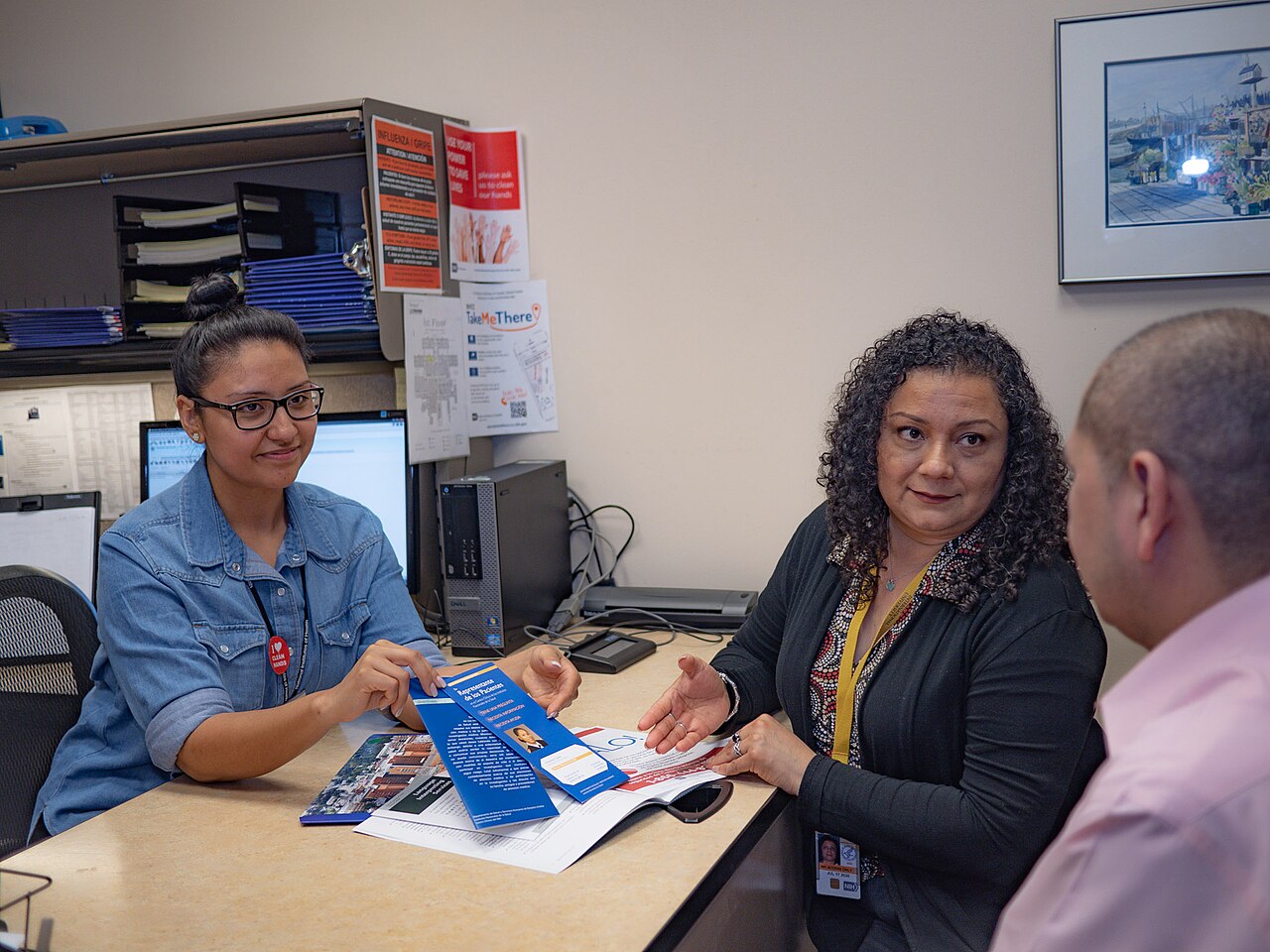
Most clinical trials ask patients to travel to a research site again and again. That is hard for people who live far away, work, care for others or are very ill. Decentralised clinical trials (DCTs) move some or all trial activities closer to patients.
What "decentralised" means
The FDA says decentralised elements let trial activities happen at places convenient for participants. They can include telehealth visits with trial staff, home visits by trial personnel, and visits with local doctors or nurses [1]. Trials can be fully decentralised or, more often, "hybrid", with some site visits and some remote steps.
Common decentralised elements
- Online consent and screening.
- Video visits with investigators.
- Nurses visiting homes to take samples.
- Using local labs and imaging centres.
- Shipping trial medicines to patients' homes, where allowed.
- Wearables and apps to collect data between visits.
Regulatory guidance
The FDA published final guidance on trials with decentralised elements in September 2024 [1]. It covers trial design, the roles of local health care providers, safety monitoring, handling trial drugs, and the use of digital tools [1]. The FDA's December 2023 guidance on digital health technologies explains how wearables and apps can collect trial data remotely [2]. It says these tools may make trials more efficient and make taking part more convenient [2].
Why it matters
Trials often struggle to enrol enough people, and participants are often not representative of patients who will use the drug. Reducing travel can widen who can join: rural residents, older people, people with disabilities and people who cannot take time off work. Wearables also allow more frequent measurements than clinic visits.
About a third of US adults now use a wearable health device, which makes remote data collection more practical [3].
Challenges
- Keeping data quality high when it is collected in many places.
- Making sure local doctors are trained and supervised.
- Shipping, storing and tracking trial drugs safely.
- Internet access and digital skills for participants.
- Different rules across countries and states.
- Protecting privacy when data flow through many systems.
Hybrid is the norm
After a rapid push during COVID-19, most sponsors now use a mix. Complex tests, scans and infusions stay at sites. Routine check-ins, questionnaires and some samples move to home or local care. The right balance depends on the disease, the drug and the patients.
Key numbers at a glance
- FDA final guidance on decentralised elements: September 2024.
- FDA final guidance on digital health tools in trials: December 2023.
- US adults using wearables: about 36% (2022).
Questions for patients thinking of joining
- Which visits can be done from home?
- Who will contact me, and how often?
- How will trial medicines reach me?
- What happens to my data?
Go deeper
Want the full picture? Our report covers market size, growth, segments, countries and the key companies. Read the report or get a free sample.
Local health care providers
The FDA's guidance explains that local doctors or nurses can do some trial tasks that are part of routine care, such as taking blood or measuring vital signs [1]. More specialised trial tasks should be done by trial staff [1]. Sponsors and investigators need clear plans for training, supervision and record-keeping.
Safety monitoring
Patients in decentralised trials must still be watched closely for side effects. Plans should say how patients report problems, who reviews them and how quickly, and where patients go for urgent care [1].
Trial drugs at home
Some trial medicines can be sent directly to patients. Others, such as complex infusions, must be given at a site. The guidance asks sponsors to explain how drugs are shipped, stored, tracked and returned [1].
Benefits to sponsors
- Faster enrolment by reaching patients beyond big cities.
- Fewer patients dropping out because of travel.
- More frequent data from wearables and apps.
- Trial groups that better reflect real patients.
Wider access
About 82% of wearable users in a 2019 US survey were willing to share their data with care providers [4]. Many may also be willing to share data with trials. But not everyone has a smartphone, reliable internet or the skills to use apps. Good decentralised trials offer devices, data plans and support, and keep some in-person options for those who prefer them.
Measuring success
Sponsors can track simple measures to see if decentralised elements help: how fast patients enrol, how many stay to the end, how diverse the trial group is, and how complete the data are. Comparing these with past site-only trials shows where remote steps add value and where they do not. Sharing these lessons helps the whole field improve.
Global trials
Decentralised elements can help trials reach patients in many countries, but rules on telehealth, data and drug shipping differ. Sponsors must plan for each country's requirements from the start.
What this means
Decentralised elements are now an accepted part of trial design. They can make trials easier to join and more representative. Success depends on careful design, trained local partners and reliable digital tools.
Where to read more
All figures in this article come from public sources listed below. For more detail, start with the FDA guidances on decentralised trial elements and on digital health technologies in clinical investigations. Each is free to read online. If anything here raises a question about your own health, take this article to your doctor or pharmacist and talk it through together.
Explore on Acuitas
- Decentralized Clinical Trials(DCTs) market report – size, growth and key players
- Decentralized Clinical Trials(DCTs) statistics – key numbers, trials and research in one place
- Top 10 fastest-growing Digital Health markets
- Global Artificial Intelligence (AI) in Drugs Discovery Market Analysis – related market
- Global Artificial Intelligence (AI) in Healthcare Market Analysis – related market
- Global Artificial Intelligence (AI) in Pharma Market Analysis – related market
- Get a free sample report or talk to our team
Topics: Clinical trials · Digital health
Sources
- US FDA guidance (Sep 2024): Conducting clinical trials with decentralized elements
- US FDA guidance (Dec 2023): Digital health technologies for remote data acquisition in clinical investigations
- Usage trends and data sharing practices of healthcare wearable devices among US adults (JMIR, 2025; HINTS 2022)
- Chandrasekaran R et al. Patterns of use and key predictors for the use of wearable health care devices by US adults (JMIR, 2020; HINTS 2019)
Banner image: Bi-lingual Clinical Trial Consultation (45067326622) by NIAID, CC BY 2.0, via Wikimedia Commons.
The data behind this story
Topics: Clinical trials · Digital health
Go deeper