Bioinformatics is the use of computers, statistics and software to understand biological data. In health care, it mostly means making sense of DNA, RNA and protein data. It tells researchers which genetic changes matter, helps doctors match cancer patients to targeted drugs, and supports the search for new medicines.
The data explosion
The first human genome sequence, finished in 2003, cost an estimated $500 million to $1 billion to produce [1]. NHGRI estimated that generating a second human genome with 2003 technology would have cost about $50 million, and that a high-quality draft genome cost about $14 million by 2006 [1].
Then next-generation sequencing arrived in 2008 [2]. By mid-2015, NHGRI data showed a whole human genome costing just above $4,000, and by late 2015 below $1,500 [1]. Cheaper sequencing means far more genomes, and each genome produces large amounts of raw data. The cost and skill needed to analyse that data have become a key bottleneck.
NHGRI notes that its cost figures do not include analysis steps like alignment, variant calling and interpretation [2]. That is exactly the work bioinformatics does.
Large research programmes
The US All of Us Research Program released 245,388 clinical-grade genome sequences in 2024 [3]. Its analysis found more than 275 million genetic variants not reported before [4]. About 77% of participants come from groups historically under-represented in biomedical research, and 46% are from under-represented racial and ethnic minorities [3].
Diversity matters because most earlier genetic studies used people of European ancestry. Risk scores and variant interpretations built on narrow data can be less accurate for everyone else.
What bioinformatics does
- Sequence alignment: matching short DNA reads to a reference genome.
- Variant calling: finding where a person's DNA differs from the reference.
- Annotation and interpretation: deciding whether a variant is harmful, harmless or unknown.
- Gene expression analysis: measuring which genes are active in a tissue or tumour.
- Protein structure prediction: modelling the shape of proteins to guide drug design.
- Data integration: linking genetic data with health records, imaging and lab results.
Uses in medicine
- Cancer: tumour sequencing finds mutations that targeted drugs can act on.
- Rare disease: genome sequencing can end years of searching for a diagnosis.
- Infectious disease: sequencing tracks outbreaks and drug resistance.
- Pharmacogenomics: genetic tests show how a person may respond to some drugs.
- Drug discovery: finding new targets and selecting patients for trials.
Challenges
- Skills: there are too few people trained in both biology and computing.
- Storage and computing: large studies need cloud computing and careful cost control.
- Standards: different pipelines can give different results from the same data.
- Privacy: genetic data is personal and can identify relatives, so it needs strong protection.
- Interpretation: many variants remain of uncertain meaning.
The role of AI
Machine learning is now used for variant calling, predicting protein structures and spotting patterns across thousands of genomes. These tools can speed up research, but they still need high-quality, diverse data and careful checking before use in patient care.
Key numbers at a glance
- First human genome: $500 million to $1 billion to produce.
- Genome cost: about $50 million (2003) to under $1,500 (late 2015).
- All of Us released 245,388 clinical-grade genomes.
- More than 275 million new genetic variants found.
- 77% of those participants from groups under-represented in research.
Questions to ask about a bioinformatics partner
- Which pipelines and reference genomes do you use?
- How do you validate results for clinical use?
- Where is data stored, and who can access it?
- How do you handle variants of uncertain meaning?
- How diverse are the reference data you rely on?
Go deeper
Want the full picture? Our report covers market size, growth, segments, countries and the key companies. Read the report or get a free sample.
Careers and skills
Bioinformatics teams mix biologists, statisticians, software engineers and clinicians. Common tools include programming languages such as Python and R, workflow managers that run analysis pipelines in a repeatable way, and cloud platforms that scale computing up and down. Hospitals offering genetic testing also need clinical scientists who can interpret results and explain them in reports that doctors can act on.
In short
Cheaper sequencing has moved the hard work to data analysis. Strong pipelines, skilled people and diverse data make genomic results trustworthy.
What this means
Sequencing is no longer the expensive part of genomics. Turning data into reliable answers is. Bioinformatics skills, standards and secure computing will decide how fast genomic medicine reaches everyday care, and diverse datasets will decide how fairly it works.
Where to read more
All figures in this article come from public sources listed below. For more detail, start with the NHGRI genome sequencing cost pages and the All of Us genomic data paper. Each is free to read online. If anything here raises a question about your own health, take this article to your doctor or pharmacist and talk it through together. Buyers, investors and policy makers can also use these sources to check claims in sales materials and compare options on the same public evidence. Where public sources disagree or update their figures, we note the year of each number so readers can see how the picture changes over time.
Explore on Acuitas
- Bioinformatics market report – size, growth and key players
- Bioinformatics statistics – key numbers, trials and research in one place
- Top 10 fastest-growing Healthcare Services markets
- Global Artificial Intelligence (AI) in Drugs Discovery Market Analysis – related market
- Global Artificial Intelligence (AI) in Healthcare Market Analysis – related market
- Global Artificial Intelligence (AI) in Life Sciences Market Analysis – related market
- Early deaths from long-term diseases (WHO) – free chart in the Public Health Dashboard
- Clinical trials: Cancer – free chart in the Public Health Dashboard
- Get a free sample report or talk to our team
Topics: Artificial intelligence · Health IT and data · Oncology · Clinical trials
Sources
- NHGRI fact sheet: The cost of sequencing a human genome
- NHGRI: DNA sequencing costs data
- All of Us Research Program Genomics Investigators. Genomic data in the All of Us Research Program (Nature, 2024)
- NIH news release: 275 million new genetic variants identified in NIH precision medicine data
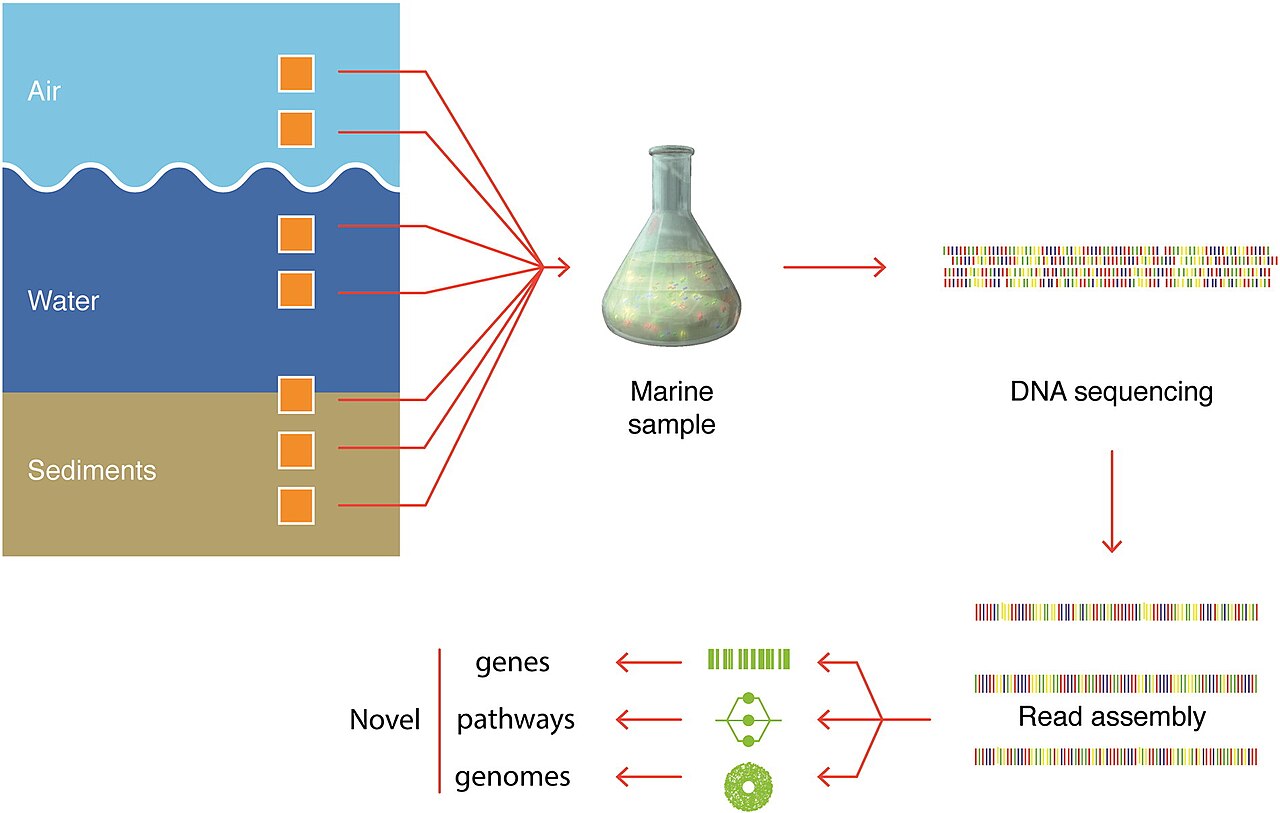
Banner image: DNA sequencing technologies used in marine metagenomics by Rimantas Kodzius and Takashi Gojobori, CC BY 4.0, via Wikimedia Commons.
The data behind this story
Topics: Artificial intelligence · Health IT and data · Oncology · Clinical trials
Go deeper