Brain tumours are less common than many cancers, but they are among the hardest to treat. Symptoms such as headaches, seizures or changes in thinking can be mistaken for other problems. A clear, fast diagnosis is key.
The numbers
About 321,476 new cases of brain and other central nervous system tumours were diagnosed worldwide in 2022, with about 248,305 deaths [1]. Lung cancer, by comparison, had 2.5 million new cases [2].
The high ratio of deaths to cases shows how serious many of these tumours are.
How brain tumours are diagnosed
- Neurological exam to check vision, balance, strength and reflexes.
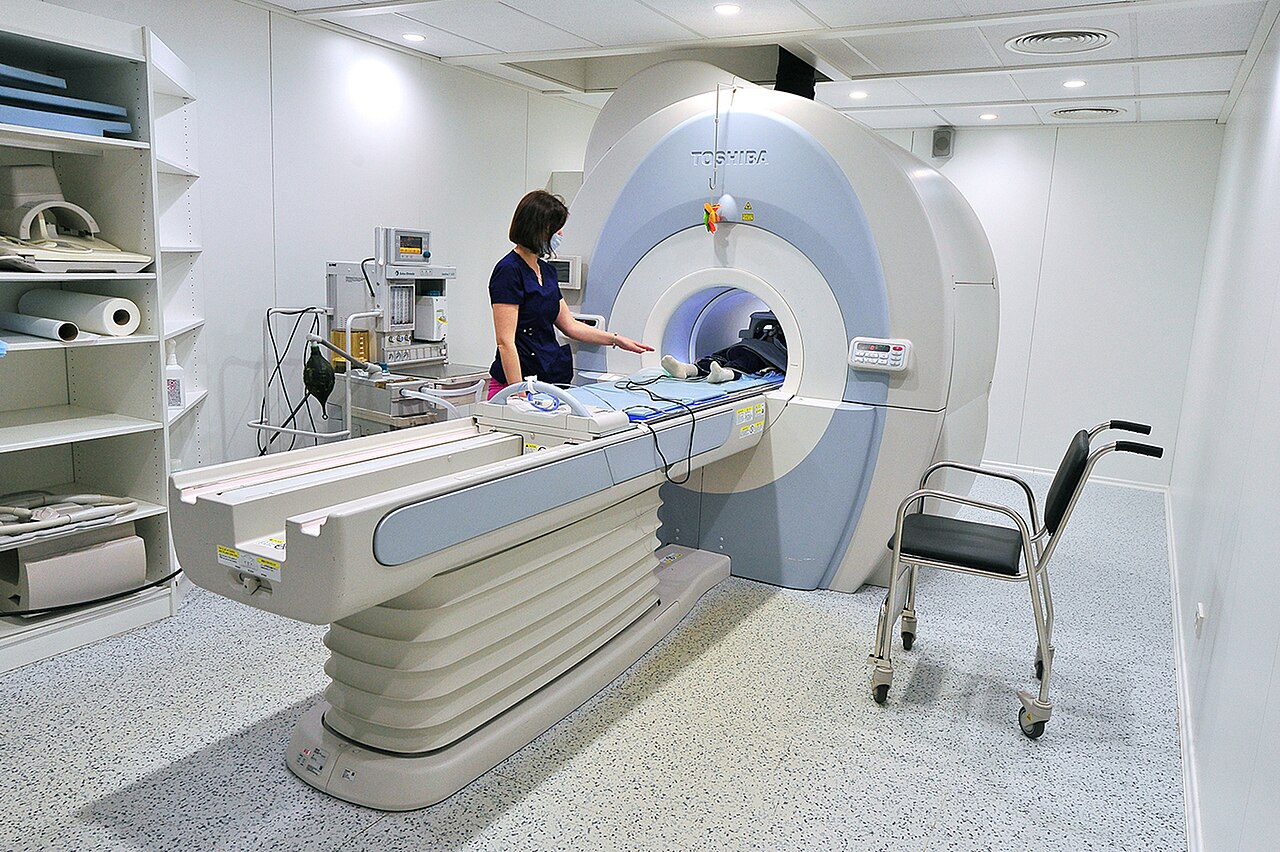
- MRI, the main scan for brain tumours, often with contrast dye.
- CT when MRI is not available or in emergencies.
- Biopsy or surgery to get tissue.
- Molecular tests on the tissue, such as IDH and MGMT, which now shape tumour type and treatment choices.
What is new
Researchers are testing liquid biopsies that look for tumour DNA in blood or spinal fluid. Advanced MRI methods and AI tools aim to tell tumour types apart before surgery. Most are still being studied.
Go deeper
Want the full picture? Our report covers market size, growth, segments, countries and the key companies. Read the report or get a free sample.
Brain tumours compared with other cancers
Brain tumours are much rarer than the most common cancers. But they caused about 248,000 deaths from about 321,000 new cases [1]. Breast cancer caused 670,000 deaths from 2.3 million new cases [2]. This is why early, accurate diagnosis is so important.
Symptoms to take seriously
- New headaches that get worse over time, often worse in the morning.
- Seizures in someone who has never had one.
- Changes in vision, speech, balance or personality.
- Weakness or numbness on one side of the body.
These symptoms have many other causes. But together, or when they keep getting worse, they should lead to a scan.
How MRI helps
MRI shows where a tumour is, how big it is and how it affects nearby brain. Special MRI methods can show blood flow, chemistry and nerve pathways. Surgeons use these maps to plan how much tumour they can safely remove.
Why molecular tests matter
Today, brain tumours are classed by both how cells look and which genes are changed. Two tumours that look the same under a microscope can behave very differently. Tests such as IDH and MGMT help predict how a tumour will respond to treatment. Labs that can run these tests are mainly found in large hospitals.
Children
Children's brain tumours are often different types from adults', and need specialist teams. Fast referral to a children's cancer centre improves care.
The cost of the gap
WHO's survey found that many cancer services are far more likely to be covered in high-income countries [2]. Imaging, specialist surgery and molecular tests are all costly. Where they are not covered, many patients are diagnosed late, or never get a full diagnosis.
Treatment after diagnosis
Treatment depends on the tumour type, its genes, where it is and the patient's health. Options include surgery, radiation therapy and medicines [1]. A team of surgeons, cancer doctors, radiologists, pathologists and nurses usually plans care together. Rehabilitation helps with speech, movement and thinking after treatment.
Living with a brain tumour
Many patients face seizures, tiredness and changes in memory or mood. Support for families, palliative care and help with daily tasks are part of good care. WHO's survey found that only 28% of countries covered palliative care in their core health packages [2].
Early diagnosis matters
WHO says cancer is more likely to respond to treatment when found early. Survival is higher, there is less harm and treatment costs less [3]. Early diagnosis has three parts: knowing the symptoms and seeking help, access to tests, and quick referral to treatment [3]. For brain tumours, delays often happen because early symptoms look like common problems. Clear referral paths from general doctors to scans can save weeks.
Radiation and safe imaging
CT scans use ionizing radiation. WHO advises safe and appropriate use of radiation in health care for diagnosis and treatment [3]. MRI uses no ionizing radiation, which is one reason it is preferred for brain imaging and repeat follow-up scans.
Childhood cancer
About 400,000 children and teenagers develop cancer each year [3]. WHO's Global Initiative for Childhood Cancer aims to improve survival, including through better access to medicines [3]. Brain tumours in children need fast referral to specialist children's cancer centres.
Who pays
Most countries do not fully include essential cancer care in their public health packages. That includes diagnosis, treatment and palliative care [3]. For brain tumours, where MRI, surgery and lab tests are all costly, this gap is a major barrier.
Key numbers at a glance
- About 321,476 new brain and nervous system tumours in 2022.
- About 248,305 deaths.
- About 400,000 children and teens develop cancer each year.
- Only 28% of countries covered palliative care in core health packages.
Fast scans, molecular tests and specialist care make the biggest difference for these patients.
Where to read more
All figures in this article come from public sources listed below. For more detail, start with the US National Cancer Institute's PDQ summaries and the WHO cancer fact sheet. Each is free to read online.
What this means
Access to MRI and to molecular testing labs differs widely between countries. Closing that gap would help more patients get the right diagnosis and treatment plan.
Explore on Acuitas
- Brain Cancer Diagnostic market report – size, growth and key players
- Brain Cancer Diagnostic statistics – key numbers, trials and research in one place
- Top 10 fastest-growing Healthcare Services markets
- Global 3D Laparoscopy Imaging Systems Market Analysis – related market
- Global Alzheimer Drugs Market Analysis – related market
- Global Alzheimers Dignostic Market Analysis – related market
- Early deaths from long-term diseases (WHO) – free chart in the Public Health Dashboard
- Clinical trials: Cancer – free chart in the Public Health Dashboard
- Get a free sample report or talk to our team
Topics: Oncology · Imaging · Brain and nerves
Sources
- National Cancer Institute: Central Nervous System Tumors Treatment (PDQ), health professional version
- WHO/IARC news (1 Feb 2024): Global cancer burden growing, amidst mounting need for services
- WHO fact sheet: Cancer
Banner image: Vantage Atlas MRI scanner from Toshiba by Mos.ru, CC BY 4.0, via Wikimedia Commons.
The data behind this story
Topics: Oncology · Imaging · Brain and nerves
Go deeper