Dermatology diagnostics are the tools used to find and confirm skin conditions. They range from a doctor's eye and a handheld magnifier to digital imaging, skin biopsies and, more recently, artificial intelligence (AI). Early, accurate diagnosis matters most for skin cancer, where finding a melanoma early can be life-saving.
The burden of skin cancer
GLOBOCAN 2022 estimates recorded 331,722 new melanoma cases and 58,667 melanoma deaths worldwide [1]. Non-melanoma skin cancers, mainly basal cell and squamous cell carcinoma, were far more common, with 1,234,533 new cases and 69,416 deaths [1]. Many non-melanoma cases are never registered, so the real number is likely higher.
Melanoma is less common but causes a much larger share of deaths for each case. That is why finding it early is the main goal of skin checks.
Main diagnostic tools
- Visual exam: a full-body skin check by a trained clinician.
- Dermoscopy: a handheld lens with light that shows patterns below the skin surface.
- Total body photography: photo maps that let doctors track moles over time.
- Confocal microscopy and optical coherence tomography: high-detail imaging without cutting the skin.
- Biopsy and pathology: the final test, where a sample is examined under a microscope.
- Molecular tests: gene expression tests on some lesions to guide decisions.
AI reaches dermatologist level in studies
In 2017, a team at Stanford trained a deep learning model on about 129,000 clinical skin images. It classified skin cancers about as well as 21 board-certified dermatologists on test images [5]. Since then, many AI tools have been developed for photos and dermoscopy images.
The first AI device for primary care
In January 2024, the US FDA authorised DermaSensor, the first AI-enabled device for skin cancer detection intended for primary care [2][3]. It uses light to read the cell-level makeup of a lesion and gives a result that helps the doctor decide whether to refer. It is for patients aged 40 and above and does not replace a biopsy [3].
In the main study of more than 1,000 patients across 22 centres, the device detected 96% of 224 skin cancers. A negative result had a 97% chance of being benign [4]. Sensitivity was 87.5% for melanoma, 97.8% for basal cell carcinoma and 98.7% for squamous cell carcinoma [6].
Limits to keep in mind
- Specificity: high sensitivity often comes with more false alarms, which means more referrals and biopsies.
- Skin tone: image collections used to train AI have often had few images of darker skin. Users should ask how a tool was tested.
- Setting: a tool that works in a specialist clinic may perform differently in primary care or on phone photos.
- Responsibility: the clinician still makes the decision and must examine the patient.
Why primary care matters
In many countries, waits to see a dermatologist are long, and most people first show a worrying mole to a family doctor. Tools that help primary care doctors decide who needs urgent referral could shorten the path to diagnosis. Teledermatology, where photos are sent to a specialist for review, already does this in many health systems.
Beyond cancer
Skin diagnostics also cover eczema, psoriasis, acne, infections and rare diseases. Imaging and AI are being tested to score how severe psoriasis is, track eczema flares and spot fungal infections. In low-resource settings, phone-based tools may help community health workers spot common skin diseases.
Key numbers at a glance
- 331,722 new melanoma cases and 58,667 deaths in 2022.
- 1.23 million new non-melanoma skin cancers in 2022.
- First AI skin cancer device for primary care authorised by FDA in January 2024.
- That device detected 96% of 224 skin cancers in its main study.
Questions to ask about a skin AI tool
- Was it tested in a setting like ours?
- How many false positives does it give?
- How well does it work on all skin tones?
- What happens to the images and data?
- Who is responsible for the final decision?
Go deeper
Want the full picture? Our report covers market size, growth, segments, countries and the key companies. Read the report or get a free sample.
What this means
Skin cancer is common and early diagnosis saves lives. AI and imaging tools are moving from research into everyday clinics, especially primary care. Their value will depend on testing across skin tones and settings, and on keeping clinicians in charge of decisions.
Where to read more
All figures in this article come from public sources listed below. For more detail, start with the GLOBOCAN 2022 skin cancer paper and the FDA decision summary for DermaSensor. Each is free to read online. If anything here raises a question about your own health, take this article to your doctor or pharmacist and talk it through together. Buyers, investors and policy makers can also use these sources to check claims in sales materials and compare options on the same public evidence. Where public sources disagree or update their figures, we note the year of each number so readers can see how the picture changes over time.
Explore on Acuitas
- Dermatology Diagnostic market report – size, growth and key players
- Dermatology Diagnostic statistics – key numbers, trials and research in one place
- Top 10 fastest-growing Healthcare Services markets
- Global Aesthetic Lasers and Energy Devices Market Analysis – related market
- Global Alopecia areata Market Analysis – related market
- Global Alopecia Drugs (Hair Loss) Market Analysis – related market
- Early deaths from long-term diseases (WHO) – free chart in the Public Health Dashboard
- Clinical trials: Cancer – free chart in the Public Health Dashboard
- Get a free sample report or talk to our team
Topics: Skin and hair · Artificial intelligence · Oncology · Diagnostics and lab testing
Sources
- Global burden of skin cancer: GLOBOCAN 2022 estimates (PubMed 39682020)
- Learnings from the first AI-enabled skin cancer device for primary care authorized by FDA (2024)
- US FDA De Novo decision DEN230008: DermaSensor
- MedPage Today (Jan 2024): FDA clears AI-powered non-invasive skin cancer detector
- Esteva A et al. Dermatologist-level classification of skin cancer with deep neural networks (Nature, 2017)
- OncLive: FDA approves AI-powered detection device for skin cancers
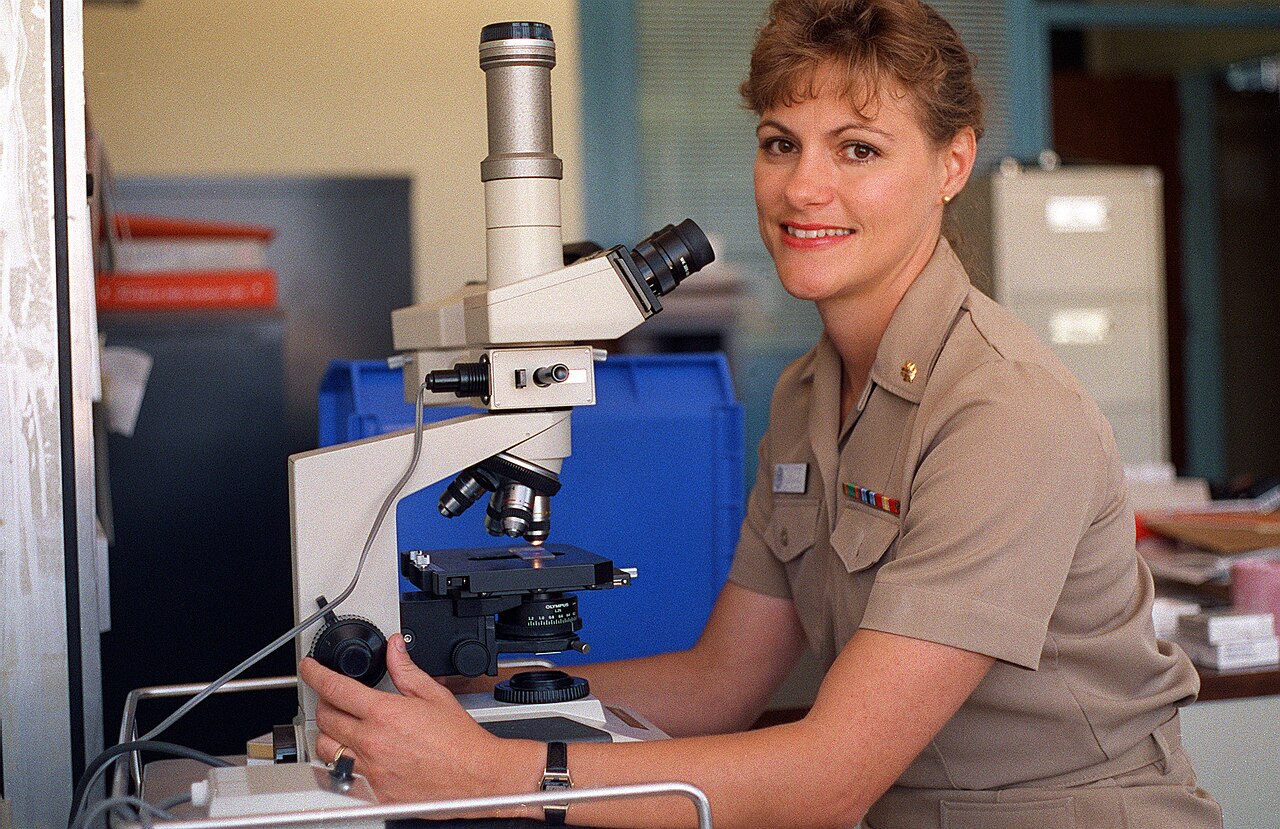
Banner image: Newly assigned dermatologist to Naval Hospital by Expert Infantry, CC BY 2.0, via Wikimedia Commons.
The data behind this story
Topics: Skin and hair · Artificial intelligence · Oncology · Diagnostics and lab testing
Go deeper