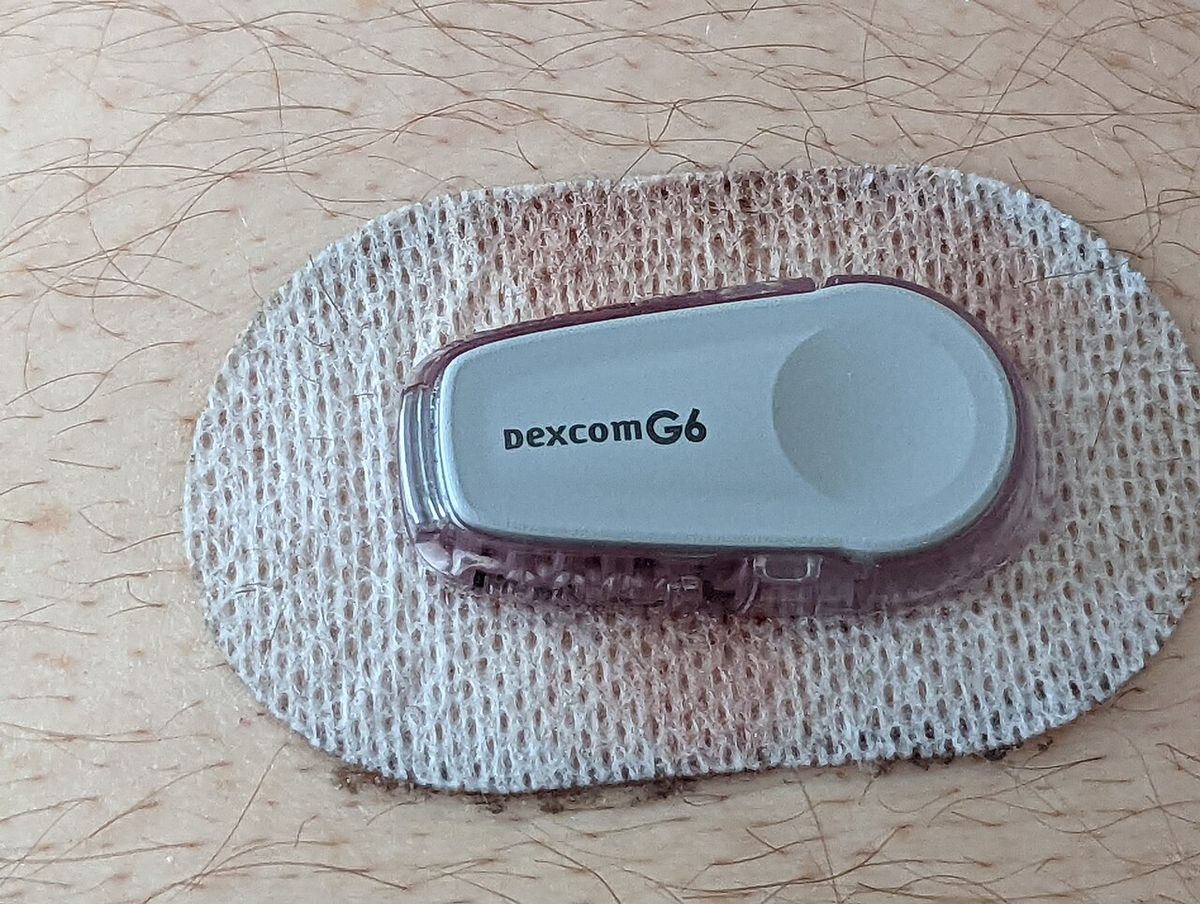
Living with diabetes means making many decisions every day: what to eat, when to exercise, how much medicine to take. Digital tools help people see their blood sugar, track habits and get support between doctor visits. They range from simple apps to continuous glucose monitors (CGMs) and connected insulin pens.
The size of the need
The International Diabetes Federation estimates 589 million adults aged 20–79 had diabetes in 2024, rising to 853 million by 2050 [1]. WHO reports that 59% of adults aged 30 and over with diabetes were not taking diabetes medicine in 2022 [2].
The main digital tools
- Continuous glucose monitors: small sensors on the skin that read glucose every few minutes and send it to a phone.
- Connected meters: finger-prick meters that upload readings automatically.
- Smart insulin pens: record each dose and time.
- Insulin pumps, some linked to CGMs to adjust insulin automatically.
- Apps: track food, activity, medicines and glucose in one place.
- Remote coaching: nurses or coaches who review data and give advice by phone or chat.
Why data help
Blood sugar changes all day. A single reading at a clinic says little. Continuous data show patterns: highs after certain meals, lows at night, the effect of exercise. Seeing these patterns helps people and doctors adjust food, activity and medicine. This can lower the risk of long-term damage to eyes, kidneys, nerves and heart [2].
Type 1 and type 2
People with type 1 diabetes need insulin every day to survive [2]. CGMs and pumps can make insulin use safer and easier. More than 95% of people with diabetes have type 2 [2]. For them, digital programmes often focus on lifestyle change, weight, medicine use and, for some, insulin.
Prevention programmes
Type 2 diabetes is often preventable. WHO advises at least 150 minutes of moderate exercise a week, a healthy diet and a healthy weight [2]. Digital diabetes prevention programmes deliver coaching, goals and tracking through apps, reaching more people than in-person classes alone.
Barriers
- Cost: CGMs and pumps are expensive and not always covered.
- Access: people in poorer countries often lack even basic medicines.
- Skills: some users need help with apps and devices.
- Data overload: doctors need summaries, not raw data.
- Privacy: health data must be protected.
Wearables more broadly
About 36% of US adults used a wearable health device in 2022 [3]. Activity and sleep data from watches can add useful context to glucose data, such as how a walk after dinner lowers blood sugar.
Key numbers at a glance
- 589 million adults with diabetes in 2024; 853 million by 2050.
- 59% of adults 30+ with diabetes took no diabetes medicine (2022).
- More than 95% of people with diabetes have type 2.
Questions to ask your diabetes team
- Would a CGM help me, and is it covered?
- Which app works with my meter or pen?
- Who will look at my data, and how often?
- What targets should I aim for?
Go deeper
Want the full picture? Our report covers market size, growth, segments, countries and the key companies. Read the report or get a free sample.
Avoiding complications
WHO says diabetes can damage the heart, eyes, kidneys and nerves, and lead to blindness, kidney failure, heart attack, stroke and amputation [2]. Diabetes and diabetic kidney disease caused about 2.4 million deaths in 2023 [2]. Regular eye, foot and kidney checks are part of good care [2]. Digital reminders and shared records help make sure these checks happen on time.
Time in range
CGMs introduced a new way to measure control: time in range, the share of the day glucose stays in a target range. It is easier for patients to understand than a lab average. Many diabetes teams now set time-in-range goals alongside HbA1c.
Low-cost options
Not everyone needs a CGM. For many people with type 2 diabetes, a basic meter, a simple app or text message reminders, and regular contact with a health worker can make a big difference. Programmes in low-resource settings often use SMS because it works on any phone.
Gestational diabetes
Gestational diabetes is high blood sugar in pregnancy, found through prenatal screening [2]. It raises risks for mother and baby [2]. Apps and connected meters can help pregnant women share readings with their care team between visits.
Questions for app users
- Does the app connect to my meter, sensor or pen?
- Can I share a summary with my doctor before a visit?
- Does it warn me about lows and highs?
Family and carers
Many CGM systems let family members see readings and get alerts, with the user's consent. This is helpful for parents of children with type 1 diabetes and for older adults living alone.
What this means
Digital tools are making diabetes care more continuous and personal. The biggest gains come when data lead to timely advice and treatment changes. Lower device costs and better coverage will decide how widely these benefits spread.
Where to read more
All figures in this article come from public sources listed below. For more detail, start with the IDF Diabetes Atlas and the WHO diabetes fact sheet. Each is free to read online. If anything here raises a question about your own health, take this article to your doctor or pharmacist and talk it through together. Buyers, investors and policy makers can also use these sources to check claims made in sales materials, and to compare products and programmes on the same public evidence. Asking for the original source behind any number is a simple habit that leads to better decisions.
Explore on Acuitas
- Digital diabetes care market report – size, growth and key players
- Digital diabetes care statistics – key numbers, trials and research in one place
- Top 10 fastest-growing Digital Health markets
- Global Arrhythmia Monitoring Devices Market Analysis – related market
- Global Artificial Intelligence (AI) in Healthcare Market Analysis – related market
- Global Artificial Intelligence (AI) in Remote Patient Monitoring Market Analysis – related market
- Diabetes (ages 20–79) – free chart in the Public Health Dashboard
- Diabetes (adults, WHO) – free chart in the Public Health Dashboard
- Get a free sample report or talk to our team
Topics: Diabetes · Digital health · Remote monitoring and wearables
Sources
- International Diabetes Federation: IDF Diabetes Atlas, 11th edition (2025)
- WHO fact sheet: Diabetes
- Usage trends and data sharing practices of healthcare wearable devices among US adults (HINTS 2022)
Banner image: A dexcom g6 glucose monitor (52075092685) by Geo Swan from Toronto, Canada, CC0, via Wikimedia Commons.
The data behind this story
Topics: Diabetes · Digital health · Remote monitoring and wearables
Go deeper