Digital therapeutics are software programs that treat, manage or prevent a disease. They are tested in clinical studies, like medicines, and often need a prescription. Most deliver structured programmes, such as cognitive behavioural therapy, through a phone or computer. They differ from general wellness apps because they make medical claims and must prove them.
The first prescription app
In 2017, the US FDA granted a De Novo authorisation to reSET, an app for substance use disorder [1]. It is a 12-week, prescription-only treatment used alongside outpatient care [1]. It was the first time the FDA authorised software with claims to improve outcomes in a disease. Since then, digital therapeutics have been cleared for conditions such as insomnia, ADHD, chronic pain and diabetes support.
Germany's "apps on prescription"
Germany created a fast-track system in 2020 for digital health applications, called DiGA. Doctors and psychotherapists can prescribe approved apps, and statutory health insurance pays [2]. About 73 million people covered by German statutory insurance are entitled to use them [2]. Apps can be listed provisionally for up to a year while makers gather evidence, or permanently once benefit is shown.
A 2025 review counted 69 approved DiGA, 40 of them listed permanently [3]. Many target mental health, such as depression, anxiety and insomnia. Others cover back pain, obesity, diabetes, tinnitus and migraine.
Why mental health leads
WHO reports that more than 1 billion people live with a mental health condition, and there is a global median of only 13 mental health workers per 100,000 people [4]. Structured therapies like CBT can be turned into step-by-step digital programmes. This makes mental health one of the best fits for digital therapeutics.
How they are tested
- Clinical trials compare the app with usual care or a control app.
- Outcomes are things like symptom scores, days of drug use or sleep quality.
- Safety checks look for harm, such as worse symptoms or missed care.
- Real-world data show how well people keep using the app after launch.
The business challenge
Getting regulatory clearance is only half the battle. Many makers struggled to get paid by insurers, especially in the US. Some early companies closed despite FDA clearance because doctors did not prescribe and payers did not reimburse. Germany's system shows one way forward: a clear path to payment linked to evidence.
What patients should know
- Ask whether the app has been tested in clinical trials.
- Check whether it is cleared or approved in your country.
- Use it alongside, not instead of, your care team.
- Read how your data are stored and shared.
Where they fit in care
Digital therapeutics work best as part of a care plan. A doctor prescribes, the app delivers daily support, and the doctor reviews progress. Some apps share data with the care team, so they can see whether the patient is engaged and improving. This blend of human and digital care is likely to be the norm.
Key numbers at a glance
- First FDA-authorised prescription digital therapeutic: 2017 (reSET).
- Germany: about 73 million people eligible for prescribed apps.
- 69 approved DiGA, 40 permanently listed (2025).
- More than 1 billion people live with mental health conditions.
Go deeper
Want the full picture? Our report covers market size, growth, segments, countries and the key companies. Read the report or get a free sample.
How DiGA approval works
In Germany, the BfArM checks each app for safety, function, quality, data protection and proof that it improves care [2]. If the evidence is not yet complete, an app can be listed provisionally while the maker runs a study, usually for up to a year. If the study does not show benefit, the app is removed. This "try, then prove" model gives patients early access while still demanding evidence.
Prices and payment
Makers set a price for the first year. After that, prices are negotiated with the national association of health insurers, based on evidence of benefit. This has led to debate about whether early prices were too high. Other countries designing their own systems are learning from these debates.
Digital therapeutics and medicines together
Some programmes are designed to work alongside a drug. For example, an app may support someone starting a new medicine, help them manage side effects and remind them to take it. Drug companies are exploring such combinations to improve results and keep patients on treatment.
Signs of a strong programme
- Published trials in peer-reviewed journals.
- Clear claims that match the evidence.
- Easy prescribing and setup for doctors.
- Data shared with the care team, with consent.
- Support for patients who struggle with technology.
Looking ahead
Several European countries have created or are planning systems like Germany's DiGA. Each faces the same questions: what evidence to require, how to set prices and how to fit apps into care.
What this means
Digital therapeutics have shown that software can be tested and prescribed like medicine. Growth depends on clear evidence, fair payment and smooth links into everyday care. Germany's model is being watched by other countries looking for a way to pay for proven apps.
Where to read more
All figures in this article come from public sources listed below. For more detail, start with the FDA De Novo decision for reSET and the BfArM DiGA directory. Each is free to read online. If anything here raises a question about your own health, take this article to your doctor or pharmacist and talk it through together.
Explore on Acuitas
- Digital Therapeutics market report – size, growth and key players
- Digital Therapeutics statistics – key numbers, trials and research in one place
- Top 10 fastest-growing Digital Health markets
- Global Adaptogens Market Analysis – related market
- Global Anti-Depressants Drugs Market Analysis – related market
- Global Artificial Intelligence (AI) in Healthcare Market Analysis – related market
- Suicide rate – free chart in the Public Health Dashboard
- Clinical trials: Depression – free chart in the Public Health Dashboard
- Get a free sample report or talk to our team
Topics: Digital health · Mental health
Sources
- US FDA: De Novo classification request for reSET (DEN160018), 2017
- BfArM (Germany): Digital health applications (DiGA) – interesting facts
- Digital health for benign prostate syndrome (2025), noting 69 approved DiGA, 40 permanently listed
- WHO news (2 Sep 2025): Over a billion people living with mental health conditions
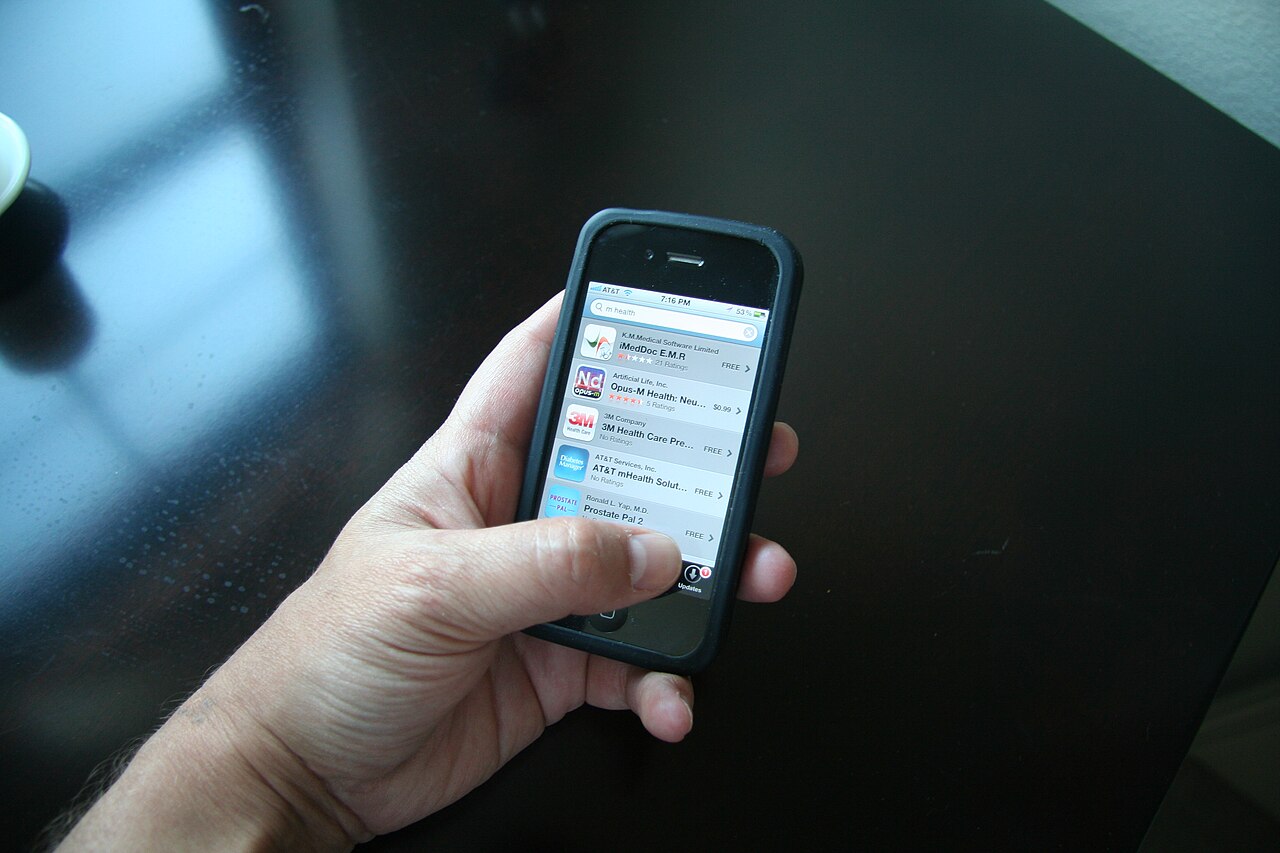
Banner image: Personal Health Apps for Smartphones by Intel Free Press, CC BY 2.0, via Wikimedia Commons.
The data behind this story
Topics: Digital health · Mental health
Go deeper