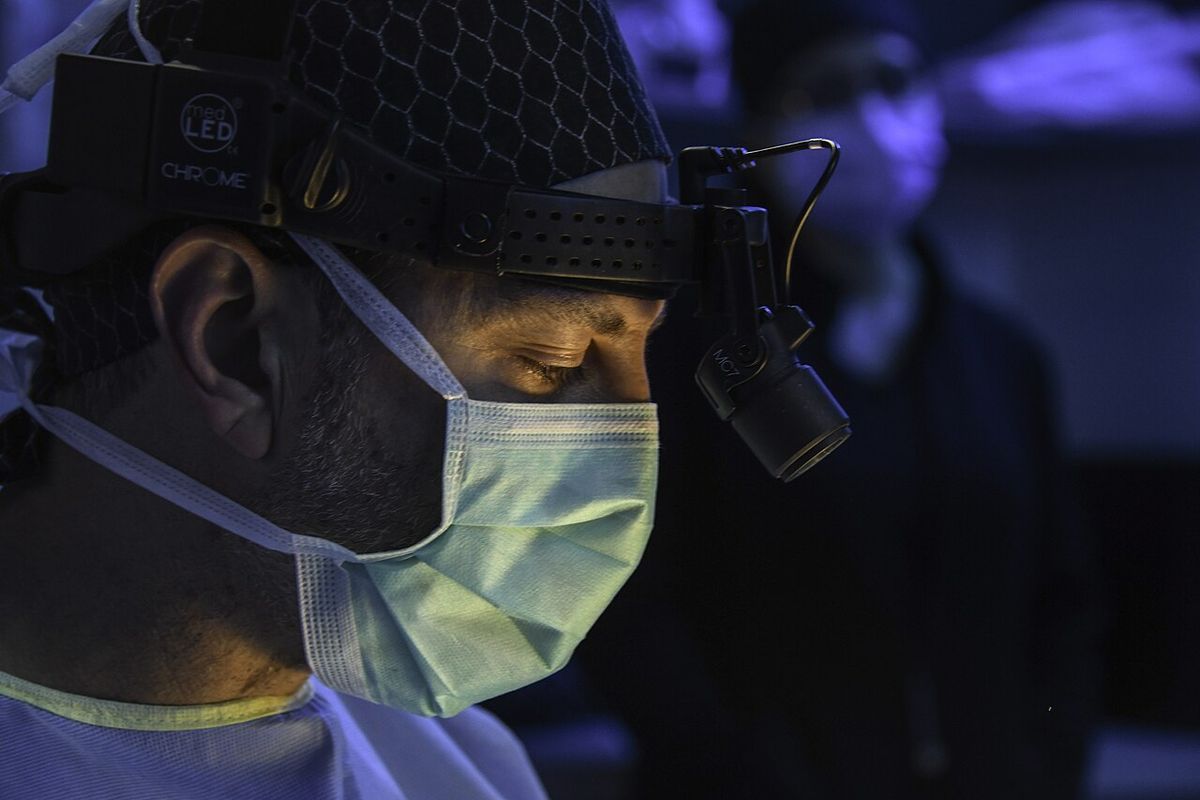
Energy-based surgical devices use electricity, ultrasound or other energy to cut tissue and stop bleeding at the same time. They range from simple electrosurgical pens to advanced vessel-sealing tools used in keyhole surgery. Faster cutting with less blood loss has made them standard in operating rooms around the world.
The scale of surgery
WHO says more than 300 million surgical procedures are performed each year [1]. At the same time, the Lancet Commission on Global Surgery found that 5 billion people lack access to safe, affordable surgical and anaesthesia care, and that 143 million more procedures are needed each year in low- and middle-income countries [2][3].
Main types of energy devices
- Monopolar electrosurgery: current passes from a pen through the patient to a return pad. Used for cutting and coagulation.
- Bipolar electrosurgery: current passes between two tips, more precise and safer near delicate tissue.
- Advanced bipolar vessel sealers: seal blood vessels by fusing their walls.
- Ultrasonic devices: vibrate at high speed to cut and seal with less heat spread.
- Lasers and plasma devices: used in specific procedures.
Benefits
- Less blood loss and need for transfusion.
- Shorter operating times.
- Essential for keyhole (laparoscopic) and robotic surgery.
- Fewer stitches and ties needed for vessels.
Safety risks
WHO notes that 10% of preventable patient harm happens in surgical settings [1]. Energy devices can cause unintended burns, either at the site or where current leaves the body. In oxygen-rich settings, sparks can cause surgical fires. The smoke they create can contain harmful particles and should be removed by smoke evacuation systems.
Simple safety steps help. The WHO Surgical Safety Checklist, which includes equipment checks before surgery, cut deaths from 1.5% to 0.8% and complications from 11% to 7% in a large study [4].
Training and teamwork
Each device has its own settings and safe-use rules. Surgeons, nurses and technicians need training on every new device, including how to place return pads, set power levels and avoid contact with metal instruments. Regular team briefings before surgery catch problems early.
Single-use vs reusable
Many advanced energy instruments are single-use, which adds cost and waste. WHO says 15% of health-care waste is hazardous [5]. Some hospitals use approved reprocessing for certain devices to cut waste, under strict rules.
Access in poorer countries
Basic electrosurgical units are already used in many hospitals in low- and middle-income countries. Advanced vessel sealers are less common because of cost. As surgery expands to meet the 143 million procedure gap, reliable, affordable and easy-to-service energy devices will be needed.
Key numbers at a glance
- More than 300 million operations a year.
- 5 billion people lack access to safe, affordable surgery.
- 143 million extra procedures needed each year in poorer countries.
- 10% of preventable harm happens in surgical settings.
Questions for surgical teams
- Are all staff trained on each energy device we use?
- Do we use smoke evacuation in every room?
- How do we prevent surgical fires?
- Which devices can be safely reprocessed?
Keyhole and robotic surgery
Laparoscopic and robotic operations are done through small cuts using long instruments and a camera. Energy devices are essential here, because surgeons cannot tie off vessels by hand as easily as in open surgery. As more hospitals adopt keyhole and robotic surgery, demand for advanced energy tools rises with it.
Surgical smoke
When energy devices cut tissue, they create smoke that can contain chemicals, fine particles and sometimes viruses or bacteria. Operating room staff breathe this smoke for hours each day. Smoke evacuation systems capture it at the source. Many hospitals now use them in every operating room.
Choosing devices
- Clinical evidence for the procedures the hospital performs.
- Compatibility with existing generators.
- Total cost per case, including single-use parts.
- Training and service support from the supplier.
- Safety features, such as tissue sensing and automatic shut-off.
In short
Energy devices make surgery faster and less bloody. Safe use depends on training, checklists, smoke control and the right device for each task.
Looking ahead
Newer devices sense tissue type and adjust power automatically, which may reduce burns and improve sealing. Integration with robotic systems and recording of device use for quality review are also growing.
What this means
Energy-based devices are now part of almost every operation. Their value depends on trained teams, safety checks and smart purchasing. Expanding safe surgery worldwide will create demand for durable, affordable devices.
Where to read more
All figures in this article come from public sources listed below. For more detail, start with the WHO patient safety fact sheet and the Lancet Commission on Global Surgery. Each is free to read online. If anything here raises a question about your own health, take this article to your doctor or pharmacist and talk it through together. Buyers, investors and policy makers can also use these sources to check claims in sales materials and compare options on the same public evidence. Where public sources disagree or update their figures, we note the year of each number so readers can see how the picture changes over time. Readers who spot an error or a newer source are welcome to contact our team. Reader questions help us choose which topics to cover in future articles and reports. You can also explore the related market reports, statistics pages and free public health charts linked in the Explore section above, which bring the latest public data on this topic together in one place for easy comparison.
Explore on Acuitas
- Global 3D Laparoscopy Imaging Systems Market Analysis – related market
- Global 3D Printing in Medical Application Market Analysis – related market
- Global Acute Care Needleless Connectors Market Analysis – related market
- Gallbladder removals – free chart in the Public Health Dashboard
- Inguinal hernia repairs – free chart in the Public Health Dashboard
- Get a free sample report or talk to our team
Sources
- WHO fact sheet: Patient safety
- Controversies and conundrums in global surgery (2025), summarising the Lancet Commission on Global Surgery 2015
- UCSF: Launch of the Lancet Commission on Global Surgery report
- Haynes AB et al. A surgical safety checklist to reduce morbidity and mortality in a global population (NEJM, 2009)
- WHO fact sheet: Health-care waste
Banner image: Facial Plastic Surgeon in Operating Room by Richard Balikian MD, CC BY 4.0, via Wikimedia Commons.
The data behind this story
Go deeper