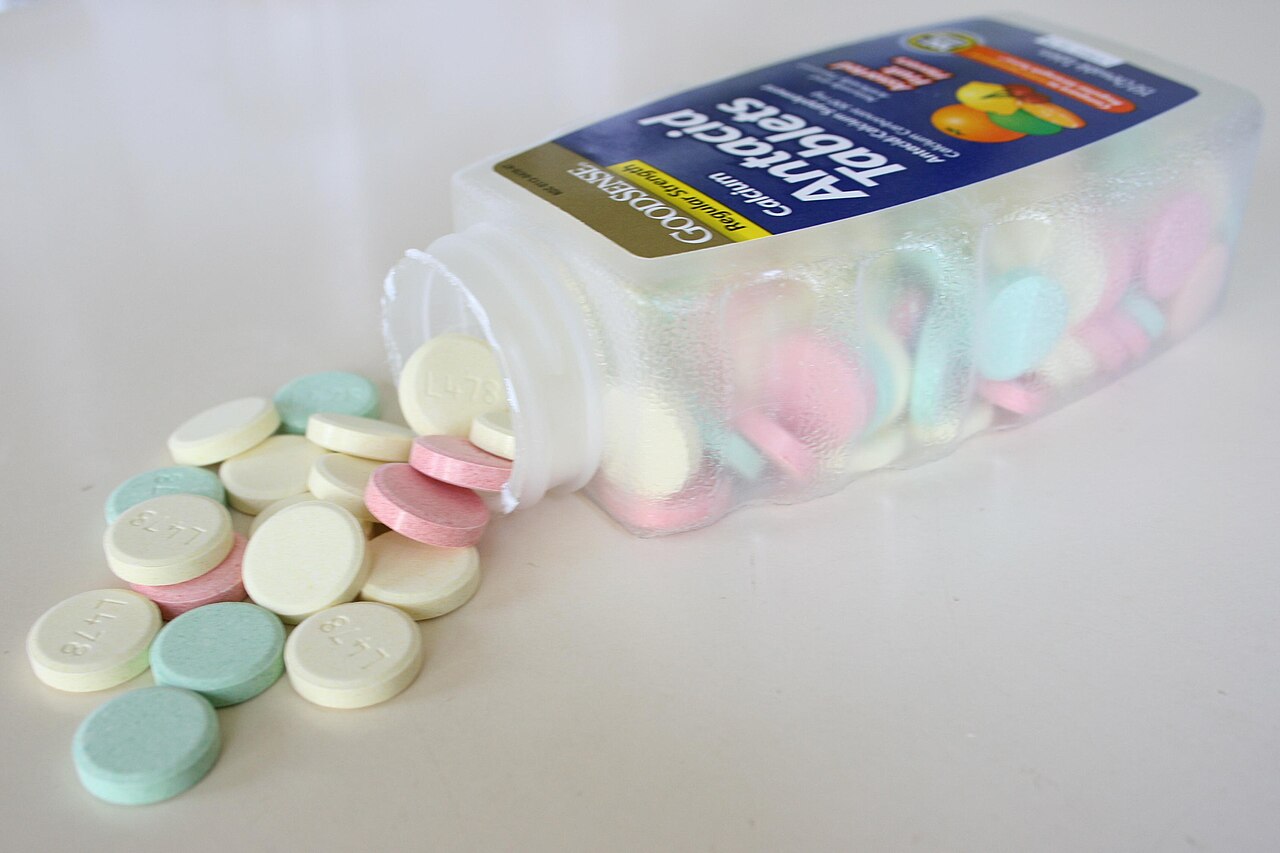
Almost everyone has heartburn now and then, especially after a big meal. When stomach contents come back up into the food pipe (oesophagus) often enough to cause symptoms or damage, it is called gastroesophageal reflux disease, or GERD.
Reflux vs GERD
The US National Institute of Diabetes and Digestive and Kidney Diseases (NIDDK) explains that gastroesophageal reflux (GER) happens when stomach contents come back up into the oesophagus. Many people have GER once in a while, often without symptoms [1]. GERD is a longer-lasting, more serious form [1].
How common is it?
GERD is one of the most commonly diagnosed digestive disorders in the US, with a prevalence of about 20% [2]. The American College of Gastroenterology also says up to 20% of the US population has GERD [3]. In the US, GERD contributed to 26.7 million outpatient visits in 2015 [4].
Symptoms
- Heartburn: a burning feeling in the chest.
- Sour or bitter taste from food or acid coming back up.
- Trouble swallowing or pain when swallowing.
- Chronic cough, hoarse voice or sore throat.
- Chest pain, which must always be checked to rule out heart problems.
What raises risk
- Being overweight.
- Pregnancy.
- Smoking.
- Large or late meals, fatty or spicy foods, alcohol and coffee for some people.
- Some medicines.
- A hiatal hernia.
Treatment steps
- Lifestyle: lose weight if needed, eat smaller meals, avoid eating 2–3 hours before bed, raise the head of the bed, stop smoking.
- Antacids for quick, short-term relief.
- H2 blockers to reduce acid.
- Proton pump inhibitors (PPIs), the strongest acid-reducing medicines.
- Surgery or endoscopic procedures for some people who do not respond to medicines.
Many of these medicines are sold over the counter. Long-term PPI use should be reviewed with a doctor, to make sure it is still needed and at the lowest effective dose.
Complications
Untreated GERD can inflame the oesophagus, cause narrowing, or lead to a change in the lining called Barrett's oesophagus. Barrett's oesophagus slightly raises the risk of oesophageal cancer, so some people need regular checks.
Warning signs
- Trouble swallowing or food getting stuck.
- Weight loss without trying.
- Vomiting blood or black stools.
- Symptoms that do not improve with treatment.
These need prompt medical review.
Key numbers at a glance
- GERD affects up to 20% of people in the US.
- 26.7 million US outpatient visits for GERD in 2015.
Go deeper
Want the full picture? Our report covers market size, growth, segments, countries and the key companies. Read the report or get a free sample.
GERD in pregnancy
Heartburn is very common in pregnancy, because hormones relax the valve at the top of the stomach and the growing baby presses on it. Small meals, staying upright after eating and some antacids can help. Pregnant women should check with their care team before taking medicines.
GERD in children
Babies often spit up, which is usually normal and improves with age. Signs that need a check include poor weight gain, refusing feeds, breathing problems or blood in vomit. Older children and teens can develop GERD like adults.
Night-time reflux
Reflux at night can disturb sleep and cause coughing. Raising the head of the bed, avoiding late meals and sleeping on the left side may help. Night-time symptoms are also a reason to see a doctor, especially if they keep coming back week after week.
Questions for your doctor
- Do my symptoms need tests, such as an endoscopy?
- Which medicine should I take, and for how long?
- Should I keep taking a PPI long term?
- What warning signs should make me come back sooner?
Foods and drinks
Triggers differ from person to person. Common ones include fatty or fried food, chocolate, mint, spicy food, citrus, tomato, coffee, fizzy drinks and alcohol. Keeping a short food and symptom diary for a few weeks can show which ones matter for you. There is no need to cut out foods that do not cause symptoms.
Weight and reflux
Extra weight, especially around the waist, puts pressure on the stomach and pushes acid upwards. Losing even a modest amount of weight can reduce symptoms for many people, sometimes within weeks.
Smoking and reflux
Smoking weakens the valve between the stomach and the food pipe and reduces saliva, which normally helps neutralise acid. Stopping smoking can ease reflux and also lowers the risk of oesophageal cancer. Support to quit is one of the most useful steps a doctor can offer for reflux and for long-term health.
What this means
GERD is common, costly and usually treatable. Most people can manage it with lifestyle steps and over-the-counter or prescription medicines. Regular review of long-term medicine use and attention to warning signs keep care safe.
Where to read more
All figures in this article come from public sources listed below. For more detail, start with the NIDDK pages on GER and GERD and the American College of Gastroenterology. Each is free to read online. If anything here raises a question about your own health, take this article to your doctor or pharmacist and talk it through together. Buyers, investors and policy makers can also use these sources to check claims in sales materials and compare options on the same public evidence. Where public sources disagree or update their figures, we note the date of each number so readers can see how the picture changes over time. Readers who spot an error or a newer source are welcome to contact our team, and we will review it.
Explore on Acuitas
- Gastroesophageal Reflux Disease (GERD) Drugs market report – size, growth and key players
- Gastroesophageal Reflux Disease (GERD) Drugs statistics – key numbers, trials and research in one place
- Top 10 fastest-growing Pharmaceuticals markets
- Global Anthelmintic Drug Market Analysis – related market
- Global Antipyretics OTC market Analysis – related market
- Global Gastrointestinal Drugs Market Analysis – related market
- Get a free sample report or talk to our team
Topics: Gut health · OTC medicines
Sources
- NIDDK (NIH): Definition and facts for GER and GERD
- Gastroesophageal reflux disease (StatPearls, NCBI)
- American College of Gastroenterology: Acid reflux/GERD
- NIDDK: Burden of digestive diseases in the United States
Banner image: Antacid-L478 by Midnightcomm, CC BY 2.5, via Wikimedia Commons.
The data behind this story
Topics: Gut health · OTC medicines
Go deeper