Your gut is home to trillions of bacteria. Some of them help digest food, make vitamins and support the immune system. Probiotics are live microbes taken to add helpful bacteria. Prebiotics are different: they are the food that helpful bacteria already living in your gut like to eat.
What counts as a prebiotic
In 2017, an expert panel from the International Scientific Association for Probiotics and Prebiotics (ISAPP) defined a prebiotic as a substance that is selectively used by microbes in the body and gives a health benefit [1]. Both parts matter. The substance must feed specific helpful microbes, not all of them, and it must be shown to improve health [1][4].
Most prebiotics are types of fibre. The best studied include:
- Inulin: found in chicory root, onions, garlic and leeks.
- Fructo-oligosaccharides (FOS): found in bananas, onions and asparagus.
- Galacto-oligosaccharides (GOS): found in beans and lentils, and added to some infant formulas.
- Human milk oligosaccharides: the natural prebiotics in breast milk.
- Resistant starch: found in cooked and cooled potatoes and rice, and green bananas.
Probiotics vs prebiotics vs synbiotics
- Probiotic: live microbes that give a health benefit.
- Prebiotic: food for helpful microbes.
- Synbiotic: a mix of live microbes and a substance they use.
The fibre gap
Most people do not eat enough fibre, and prebiotics are part of that gap. The Dietary Guidelines for Americans say more than 90% of women and 97% of men do not meet the recommended fibre intake [3]. The guidelines list fibre as a nutrient of public health concern.
Why fibre matters
A large set of reviews published in The Lancet in 2019, commissioned by WHO, compared people who ate the most fibre with those who ate the least. Higher fibre intake was linked to a 15% to 30% lower risk of death from all causes and from heart disease. It was also linked to less coronary heart disease, stroke, type 2 diabetes and bowel cancer [2]. The biggest benefits were seen at 25 to 29 grams of fibre a day [2].
These are observational findings, so they show a link, not proof. But clinical trials in the same review found that higher fibre intake lowered body weight, blood pressure and cholesterol [2].
What prebiotic supplements may do
- Increase helpful bacteria such as bifidobacteria.
- Help with regular bowel movements.
- Support calcium absorption, in some studies.
- Help people feel full for longer.
Results vary between people because everyone's gut bacteria are different. Many claims on packages go beyond what studies show.
Side effects
Because gut bacteria ferment prebiotics, they can cause gas, bloating and cramps, especially at high doses or when started quickly. Starting with a small amount and increasing slowly helps. People with irritable bowel syndrome may find some prebiotics make symptoms worse and should talk to a doctor or dietitian first.
Food first
Supplements are not the only route. A diet with plenty of vegetables, fruit, whole grains, beans, lentils, nuts and seeds supplies many types of fibre, plus vitamins and minerals. Different fibres feed different bacteria, so variety matters more than any single product.
Easy ways to eat more prebiotic fibre
- Add onions, garlic or leeks to cooking.
- Swap white bread and rice for whole grain versions.
- Add beans or lentils to soups and salads.
- Snack on a banana, an apple or a handful of nuts.
- Increase fibre slowly and drink enough water.
Key numbers at a glance
- More than 90% of US women and 97% of men eat too little fibre.
- Highest fibre intake linked to 15% to 30% lower risk of death.
- Best results seen at 25 to 29 g of fibre a day.
Reading the label
- Check the exact ingredient and dose, not just the brand name.
- Look for an independent quality seal, such as USP or NSF.
- Be wary of words like "clinically proven" without a named study.
- Check for a batch number and expiry date.
- Avoid "proprietary blends" that hide how much of each ingredient is inside.
Go deeper
Want the full picture? Our report covers market size, growth, segments, countries and the key companies. Read the report or get a free sample.
In short
Feed your gut bacteria with a wide mix of plant foods. Add fibre slowly, drink water and use supplements only to fill a real gap.
What this means
Prebiotics feed the helpful bacteria already in your gut. Most people would benefit from more fibre of all kinds. Supplements can help some people, but a varied, plant-rich diet is the base.
Where to read more
All figures in this article come from public sources listed below. For more detail, start with the ISAPP prebiotic consensus paper and the 2019 Lancet fibre review. Each is free to read online. If anything here raises a question about your own health, take this article to your doctor or pharmacist and talk it through together. Buyers, investors and policy makers can also use these sources to check claims in sales materials and compare options on the same public evidence. Where public sources disagree or update their figures, we note the year of each number so readers can see how the picture changes over time.
Explore on Acuitas
- Prebiotics market report – size, growth and key players
- Prebiotics statistics – key numbers, trials and research in one place
- Top 10 fastest-growing OTC & Nutraceuticals markets
- Global Adaptogens Market Analysis – related market
- Global Amino Acid Market Analysis – related market
- Global Anthelmintic Drug Market Analysis – related market
- Stunting in children under 5 – free chart in the Public Health Dashboard
- Wasting in children under 5 – free chart in the Public Health Dashboard
- Get a free sample report or talk to our team
Topics: Gut health · Nutrition
Sources
- Gibson GR et al. ISAPP consensus statement on the definition and scope of prebiotics (Nature Reviews Gastroenterology & Hepatology, 2017)
- Reynolds A et al. Carbohydrate quality and human health: a series of systematic reviews and meta-analyses (The Lancet, 2019)
- USDA and HHS: Dietary Guidelines for Americans, 2020-2025
- ISAPP: Criteria for prebiotics
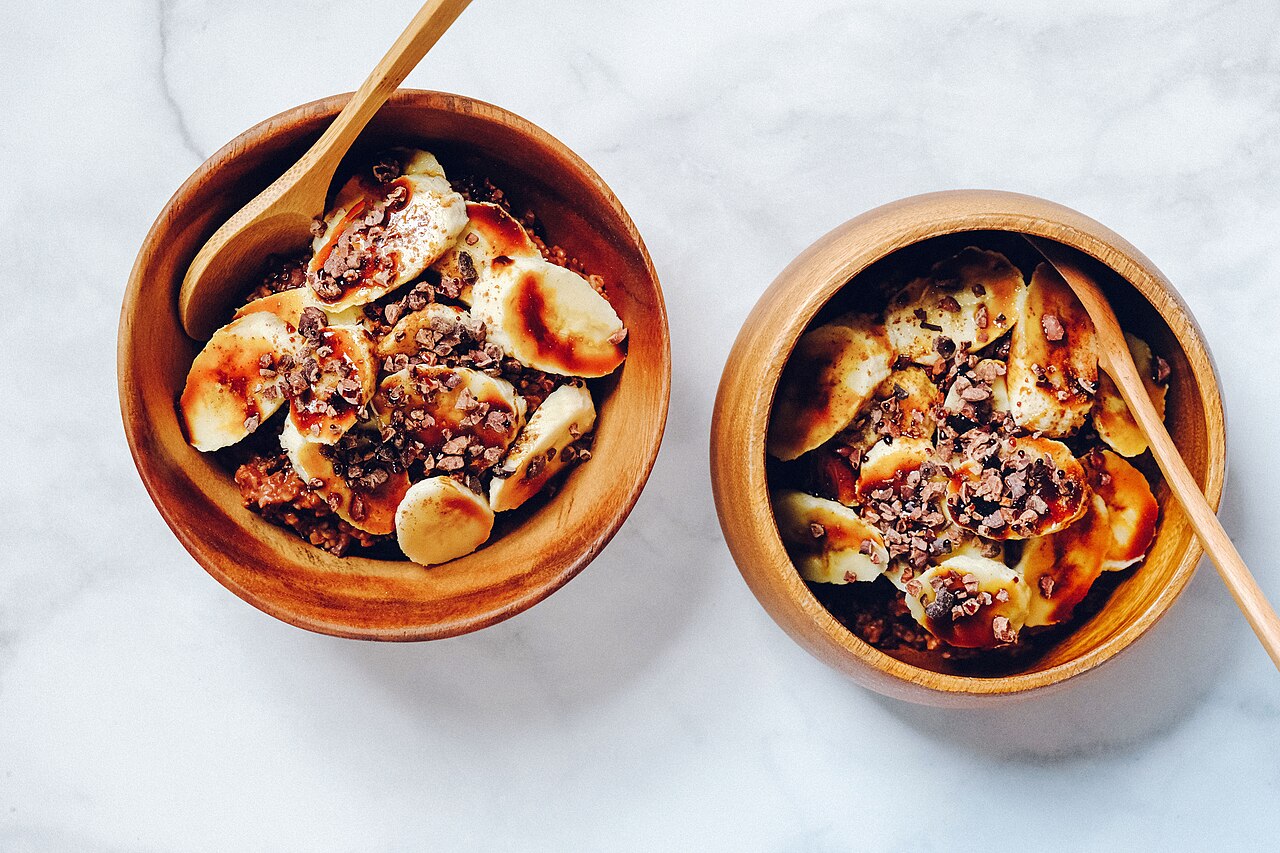
Banner image: Banana Oatmeal Breakfast Bowl (44302857265) by Ella Olsson from Stockholm, Sweden, CC BY 2.0, via Wikimedia Commons.
The data behind this story
Topics: Gut health · Nutrition
Go deeper