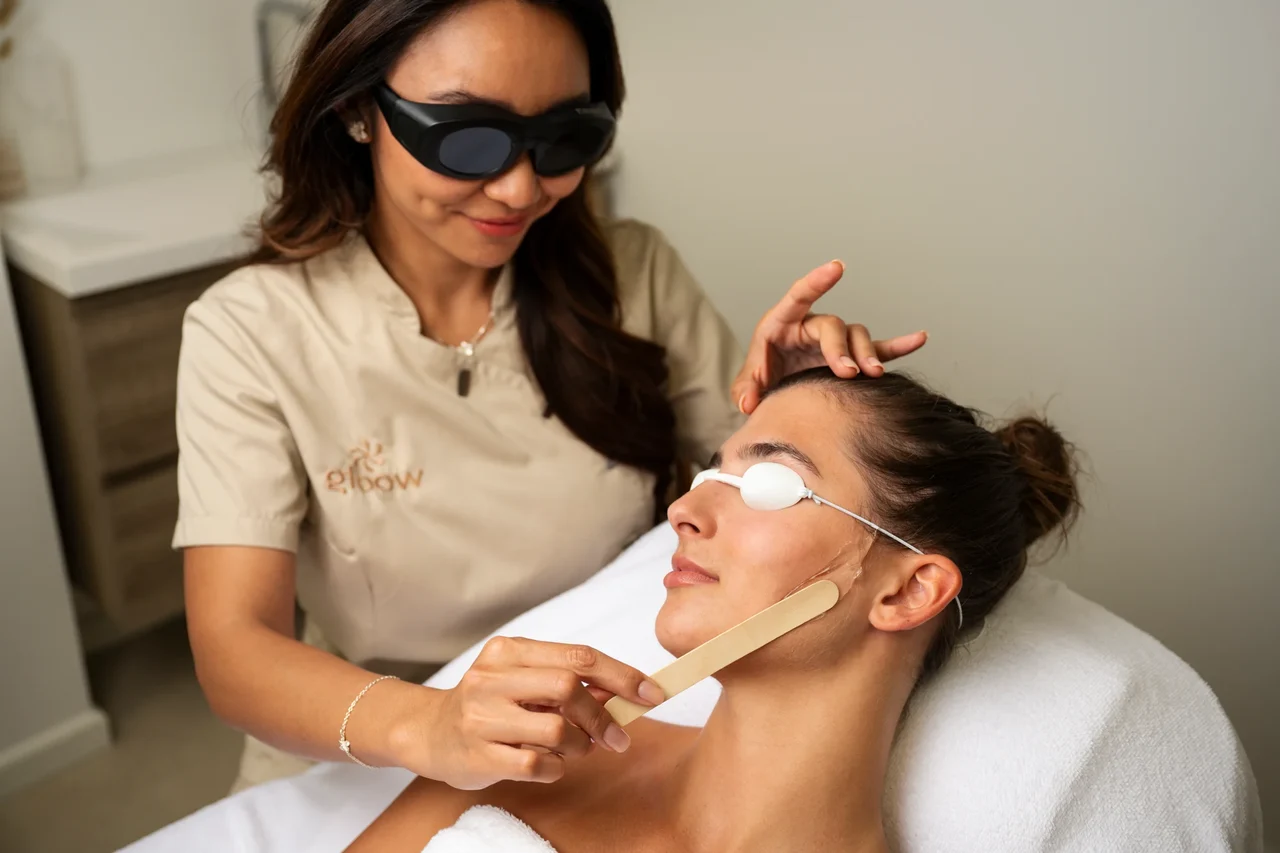
Aesthetic lasers and energy devices use light, heat, sound or radio waves to change the skin. They remove hair, fade marks, tighten skin, reduce fat and smooth scars. Most treatments need little or no recovery time, which has made them very popular.
The numbers
The International Society of Aesthetic Plastic Surgery (ISAPS) reported 34.9 million surgical and non-surgical aesthetic procedures by plastic surgeons in 2023, up 3.4% [1]. More than 19.1 million were non-surgical [1].
ISAPS lists the most popular non-surgical procedures in 2023 as botulinum toxin, hyaluronic acid fillers, hair removal, non-surgical skin tightening and non-surgical fat reduction [2]. Hair removal, skin tightening and fat reduction often use energy-based devices. ISAPS also reports that overall procedures grew about 40% over four years [2].
Common treatments
- Laser hair removal: targets pigment in hair follicles.
- Skin resurfacing: lasers remove or heat skin layers to improve wrinkles, scars and texture.
- Pigment and vascular lasers: treat sun spots, birthmarks and small blood vessels.
- Skin tightening: radiofrequency or ultrasound heats deeper layers.
- Fat reduction: cooling or heat devices target small fat areas.
- Tattoo removal: very short laser pulses break up ink.
Safety
- Burns, blisters, scarring and colour changes can happen, especially with the wrong settings.
- People with darker skin need devices and settings suited to their skin type.
- Eye protection is essential.
- Some medicines and recent sun exposure raise the risk of side effects.
- Training and supervision rules differ widely between countries.
Choosing a provider
- Check the provider's training and who will do the treatment.
- Ask how many times they have done this procedure.
- Ask about risks for your skin type, and whether a test patch is possible.
- Be wary of very low prices or high-pressure sales.
- Make sure there is a plan if something goes wrong.
Medical uses
Many of the same devices have medical uses: treating acne scars, burn scars, port-wine stains, skin pre-cancers and some vascular conditions. Dermatologists often provide both medical and cosmetic laser care.
What drives growth
Less downtime, rising incomes, social media and wider access through clinics and medical spas all add to demand. Men and younger adults are a growing share of patients. Devices are also becoming smaller and cheaper, letting more clinics offer them.
Key numbers at a glance
- 34.9 million aesthetic procedures by plastic surgeons in 2023.
- More than 19.1 million were non-surgical.
- Procedures up about 40% over four years.
Go deeper
Want the full picture? Our report covers market size, growth, segments, countries and the key companies. Read the report or get a free sample.
Botulinum toxin and fillers
ISAPS reports that botulinum toxin injections are the most common non-surgical procedure worldwide, followed by hyaluronic acid fillers [2]. These are injections, not lasers, but many clinics offer them together with energy-based treatments. Combined treatment plans are common.
Realistic results
Most laser treatments need several sessions, weeks apart. Results build slowly and can fade over time, needing touch-ups. Hair removal reduces hair but may not remove it all. Skin tightening gives modest changes, not a facelift. Good providers explain this upfront.
Aftercare
- Protect treated skin from the sun.
- Follow cooling and moisturising advice.
- Avoid picking at crusts or blisters.
- Contact the clinic if you see signs of infection or burns.
Questions to ask
- Which device will you use, and is it suitable for my skin?
- How many sessions will I need, and what is the total cost?
- What side effects are common, and how are they treated?
- Who will be in charge if something goes wrong?
Rules differ by country
In some countries, only doctors may use medical lasers. In others, trained nurses or beauty therapists can, under supervision. Some places have few rules at all. People travelling abroad for cheaper treatments should check the provider's qualifications and what happens if follow-up care is needed back home.
Skin of colour
Some lasers target pigment, so they can harm darker skin if not chosen and set carefully. Newer devices and longer wavelengths are safer for many skin types. Providers should have experience treating your skin type and should do test patches when needed.
In short
Laser and energy treatments can give real results with little downtime. Choosing a trained provider, the right device for your skin and realistic goals makes them safer and more satisfying.
What this means
Non-surgical aesthetic treatments are growing faster than surgery, and lasers and energy devices are a big part of that. Safety depends on trained providers, the right device for each skin type and honest advice about results.
Where to read more
All figures in this article come from public sources listed below. For more detail, start with the ISAPS Global Survey and its 14-year trend analysis. Each is free to read online. If anything here raises a question about your own health, take this article to your doctor or pharmacist and talk it through together. Buyers, investors and policy makers can also use these sources to check claims in sales materials and compare options on the same public evidence. Where public sources disagree or update their figures, we note the year of each number so readers can see how the picture changes over time. Readers who spot an error or a newer source are welcome to contact our team. Reader questions help us choose which topics to cover in future articles and reports, so please tell us what you would like to see next. You can also explore the related reports, statistics and free charts linked above.
Explore on Acuitas
- Aesthetic Lasers and Energy Devices market report – size, growth and key players
- Aesthetic Lasers and Energy Devices statistics – key numbers, trials and research in one place
- Top 10 fastest-growing Medical Devices markets
- Global Alopecia areata Market Analysis – related market
- Global Alopecia Drugs (Hair Loss) Market Analysis – related market
- Global Anti-Aging Market Analysis – related market
- Get a free sample report or talk to our team
Topics: Skin and hair
Sources
- Trends in surgical and nonsurgical aesthetic procedures: a 14-year analysis of the ISAPS global survey (2024)
- ISAPS Global Survey 2023 press release
Banner image: Korean Gloow Facial at Gloow Beauty Treatment by Gloow europe, CC BY 4.0, via Wikimedia Commons.
The data behind this story
Topics: Skin and hair
Go deeper