Anticoagulants, often called blood thinners, stop harmful clots from forming or growing. They are used to prevent strokes in people with an irregular heartbeat, and to treat clots in the legs and lungs. They save lives, but they need careful use because they raise bleeding risk.
The stroke burden
WHO reports that stroke was the third leading cause of death and disability in 2021. There were 11.9 million new strokes and 93.8 million people living after a stroke [1]. About 1 in 4 adults is expected to have a stroke in their lifetime [1].
Why atrial fibrillation matters
Atrial fibrillation (AF) is an irregular heartbeat. Blood can pool in the heart and form clots that travel to the brain. People with AF have about a five-fold higher stroke risk, and anticoagulants lower that risk by about two-thirds [2]. WHO lists anticoagulants, where suitable, to prevent repeat strokes [1].
Types of anticoagulants
- Heparins: injections, used in hospital and after surgery.
- Warfarin: an older pill that needs regular blood tests.
- Direct oral anticoagulants (DOACs): apixaban, rivaroxaban, dabigatran and edoxaban. Fixed doses, fewer tests.
DOACs are now widely used for AF. As patents expire, cheaper generic versions are becoming available in more countries.
The challenges
- Bleeding is the main risk, so doctors weigh stroke risk against bleeding risk.
- Undiagnosed AF: many people do not know they have it. Heart rhythm monitors and smartwatches are helping find it.
- Sticking with treatment over many years.
Stroke risk factors
WHO says most of the stroke burden comes from 10 risk factors that can be changed [1]:
- High blood pressure, the leading cause. It nearly triples stroke risk.
- Air pollution.
- Smoking, linked to about two-fifths of stroke deaths in people under 65.
- High LDL cholesterol.
- A diet high in salt.
- High blood sugar.
- Kidney problems.
- Excess body weight.
- Physical inactivity.
- Harmful use of alcohol.
Heart conditions such as atrial fibrillation and heart failure also raise risk [1].
The lifetime risk is rising
The lifetime risk of stroke has risen by 50% over the past 20 years [1]. One in four adults is now expected to have a stroke [1]. Healthy years lost to stroke rose from 137 million in 2000 to 160 million in 2021 [1].
When a stroke happens
A stroke is a medical emergency. A brain scan should be done as soon as possible [1]. For strokes caused by a clot, clot-busting medicine should be given within hours. Some patients need a procedure to remove the clot [1]. Care in a specialist stroke unit improves survival and recovery [1].
Warning signs include sudden loss of balance, vision loss, a drooping face, weak arms and slurred speech [1].
After a stroke
Anticoagulants or antiplatelet medicines can be given to prevent another stroke, as suitable [1]. Blood thinners are only part of the plan. Blood pressure control, cholesterol-lowering drugs, quitting smoking and rehabilitation all matter [1].
Bleeding risk and monitoring
People on blood thinners must tell every doctor and dentist they take them. They should know the signs of bleeding, such as black stools or bruising without a cause. Kidney tests help set the right dose of DOACs. Warfarin needs regular blood tests and care with diet and other drugs.
WHO's work
WHO's HEARTS initiative, launched in 2016, supports team-based care, healthy lifestyles and access to medicines for heart and stroke prevention [1]. In 2024, WHO published a framework for organising stroke care [1].
Life after a stroke
Stroke can cause lasting problems: weakness, walking trouble, pain, memory loss, depression, anxiety, epilepsy and loss of independence [1]. Rehabilitation should start as soon as the person is medically stable, ideally within the first few days [1]. It includes physiotherapy, occupational therapy, speech therapy and psychological support [1]. Preventing a second stroke with the right medicines protects this recovery.
Types of stroke
- Ischaemic stroke: a clot blocks a blood vessel in the brain [1]. Anticoagulants mainly prevent this kind when the clot comes from the heart.
- Haemorrhagic stroke: a blood vessel bursts and bleeds into the brain [1]. Blood thinners make this kind worse, which is why bleeding risk is weighed so carefully.
- Transient ischaemic attack (TIA): a short blockage with stroke-like symptoms that pass within minutes [1]. It is a warning sign that needs urgent checks, including for atrial fibrillation.
Stroke is also part of WHO's wider plan on brain disorders, the Intersectoral global action plan on epilepsy and other neurological disorders 2022–2031 [1]. Without better stroke care, WHO says it will be hard to meet the goal of cutting early deaths from non-communicable diseases by one third by 2030 [1].
The cost of stroke
The World Stroke Organization estimates that stroke costs the world over US$890 billion a year, about 0.66% of global GDP [3]. Most of the burden falls on poorer countries: 87% of stroke deaths are in lower-income and lower-middle-income countries [3]. Low-cost prevention, including finding atrial fibrillation and treating it, is one of the best ways to cut this cost.
Key numbers at a glance
- 11.9 million new strokes in 2021.
- 93.8 million people living after a stroke.
- 1 in 4 adults expected to have a stroke in their lifetime.
- Atrial fibrillation raises stroke risk about five-fold.
- Anticoagulants lower that risk by about two-thirds.
Finding atrial fibrillation early and treating it well is one of the clearest ways to prevent strokes.
What this means
With ageing populations, more people will have AF and need blood thinners. Finding AF early and making DOACs affordable are the biggest levers to prevent strokes.
Explore on Acuitas
- Anticoagulants market report – size, growth and key players
- Anticoagulants statistics – key numbers, trials and research in one place
- Top 10 fastest-growing Pharmaceuticals markets
- Global Angiography Devices Market Analysis – related market
- Global Angioplasty Balloons Market Analysis – related market
- Global Antithrombotic Drugs Market Analysis – related market
- Clinical trials: Stroke – free chart in the Public Health Dashboard
- Chance of dying 30–70 from heart disease, cancer, diabetes or lung disease – free chart in the Public Health Dashboard
- Get a free sample report or talk to our team
Topics: Stroke · Cardiovascular
Sources
- WHO fact sheet: Stroke
- Kamel H, Healey JS. The multiple causes of stroke in atrial fibrillation: thinking broadly (Canadian Journal of Cardiology, 2018)
- Feigin VL et al. World Stroke Organization: Global Stroke Fact Sheet 2025 (International Journal of Stroke, 2025)
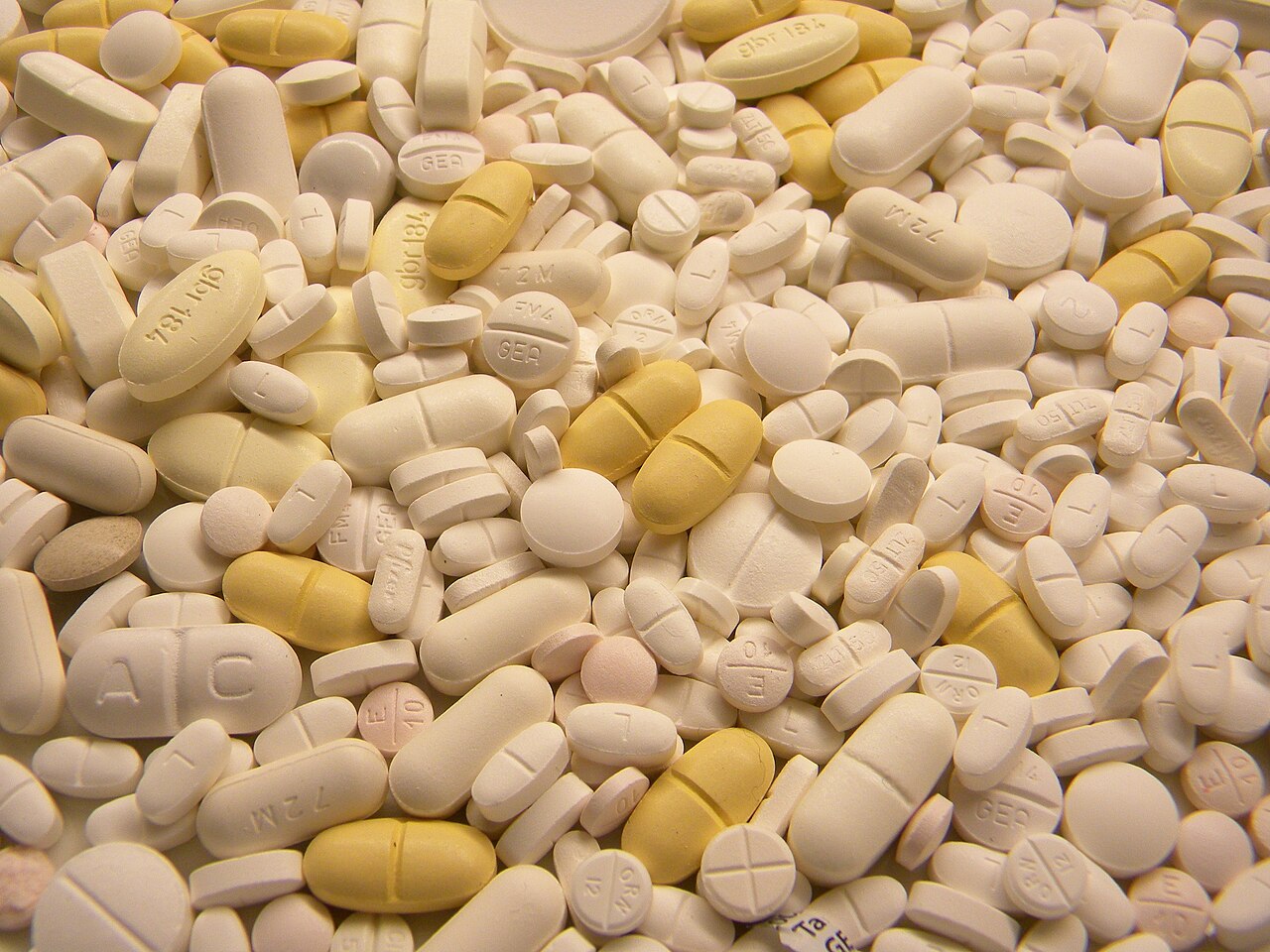
Banner image: Tablets pills medicine medical waste by Pöllö, CC BY 3.0, via Wikimedia Commons.
The data behind this story
Topics: Stroke · Cardiovascular
Go deeper