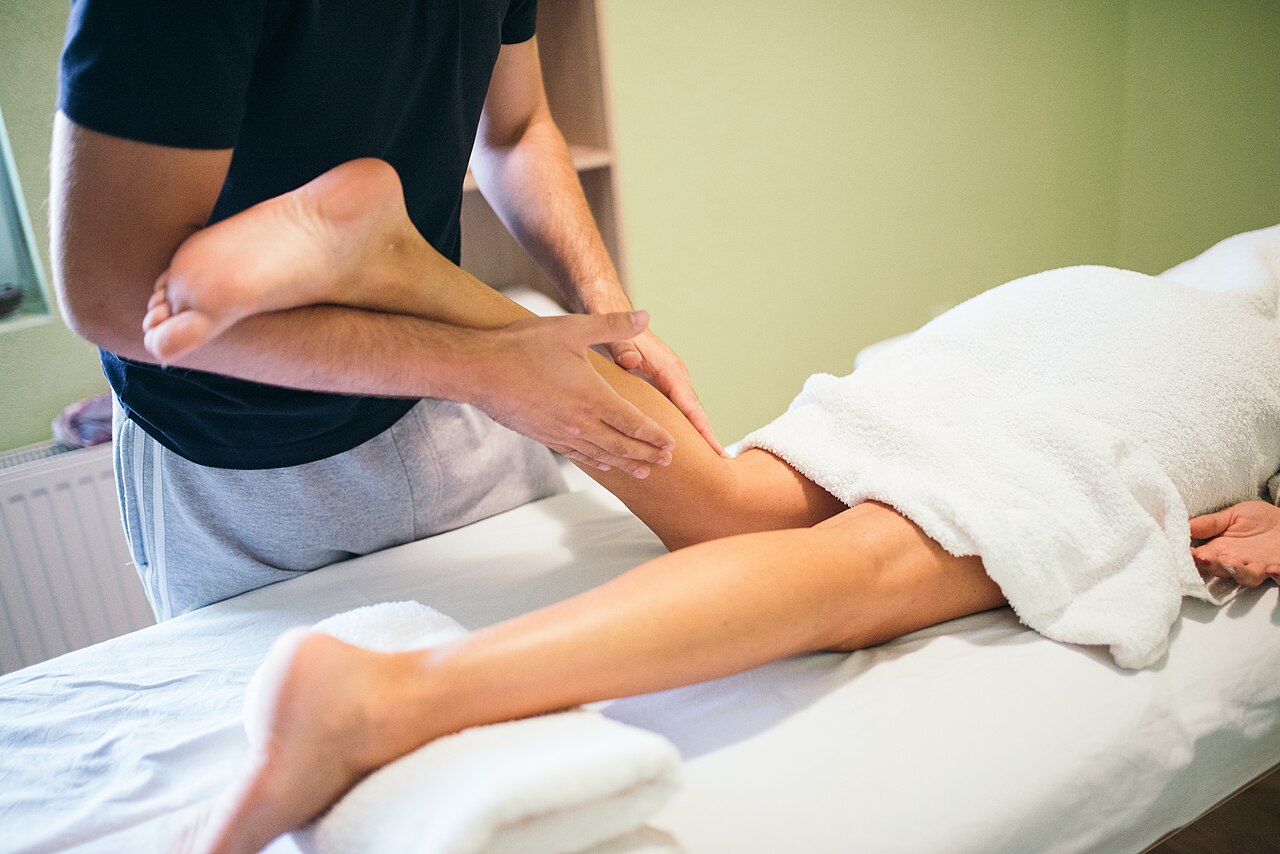
Rehabilitation helps people regain movement, speech, strength and independence after illness or injury. It covers stroke, fractures, back pain, heart and lung disease, and more. Equipment, from exercise bikes to robotic gait trainers, makes much of this possible.
The need
WHO estimates that 2.4 billion people, about 1 in 3, live with a health condition that could benefit from rehabilitation [1][2]. This need grew 63% between 1990 and 2019, from 1.48 billion to 2.41 billion people [2].
Why the need is growing
- Ageing: more older people with joint, heart and brain conditions [1].
- Chronic disease: more people survive stroke, cancer and heart attacks and need help to recover [1].
- Injuries: road crashes and falls remain common.
WHO notes that in some low- and middle-income countries, more than half of people who need rehabilitation do not receive it. Many such settings have fewer than 10 skilled practitioners per 1 million people [1].
Equipment types
- Therapy equipment: treadmills, parallel bars, exercise and balance tools.
- Electrotherapy and ultrasound devices.
- Mobility and daily living aids: wheelchairs, walkers, bath aids.
- Robotic and sensor-based systems for stroke and spinal injury.
- Tele-rehab: apps and home devices with remote therapist support.
Go deeper
Want the full picture? Our report covers market size, growth, segments, countries and the key companies. Read the report or get a free sample.
What rehabilitation looks like
WHO gives many examples of rehabilitation [1]:
- Speech training after a brain injury.
- Exercise to rebuild strength and balance after a stroke or with Parkinson's disease.
- Changes to an older person's home to reduce the risk of falls.
- Teaching a person with heart disease how to exercise safely.
- Fitting and refitting a prosthetic limb after an amputation.
- Splinting to help skin heal after burn surgery.
- Helping a patient in intensive care to breathe and recover faster.
It can happen in hospitals, outpatient clinics, homes, schools and workplaces [1].
Bones and joints drive most of the need
Musculoskeletal conditions, such as back pain, fractures and arthritis, are the biggest driver of the need for rehabilitation. They account for about two-thirds of adults who need it [3].
Why care does not reach people
WHO lists the main barriers [1]:
- Rehabilitation is not a priority in many national plans or budgets.
- Few services outside cities, and long waiting times.
- High out-of-pocket costs.
- Too few trained staff.
- Not enough assistive products, equipment and supplies.
- Weak referral pathways from doctors to therapists.
Rehabilitation saves money
WHO calls rehabilitation an investment [1]. It can help avoid costly hospital stays, shorten them, and prevent people coming back [1]. It helps people return to work or stay independent at home, which cuts the need for carers [1]. These savings help hospitals justify buying equipment.
The policy push
In 2023, the World Health Assembly passed a resolution on strengthening rehabilitation in health systems [1]. WHO's Rehabilitation 2030 initiative supports countries to plan, fund and staff services [1]. WHO is also building packages of essential rehabilitation care for conditions like low back pain, osteoarthritis and fractures [3]. These packages list the equipment needed, which helps buyers plan.
Who delivers rehabilitation
The rehabilitation workforce includes physiotherapists, occupational therapists, speech and language therapists, audiologists, prosthetists and orthotists, psychologists, rehabilitation doctors and rehabilitation nurses [1]. General practitioners, surgeons and community health workers also play a part [1]. In many low- and middle-income settings there are fewer than 10 skilled practitioners per 1 million people [1].
Equipment helps each of these workers do more. Simple, durable tools that can be used in the community stretch scarce staff further than complex machines kept in a single hospital.
Rehabilitation in emergencies
Earthquakes, conflicts and disease outbreaks can create huge rehabilitation needs from injuries and illness. They also disrupt services that already exist [1]. WHO says rehabilitation is rarely part of emergency planning, so existing gaps get worse [1]. Stocks of crutches, wheelchairs, splints and prosthetic parts are part of being ready.
Assistive products are part of rehab
Rehabilitation often depends on assistive products, such as wheelchairs, walking aids, hearing aids and prosthetic limbs [1]. WHO and UNICEF found that more than 2.5 billion people need at least one assistive product, rising to 3.5 billion by 2050 [4]. In some low- and middle-income countries only 3% of people who need them get them. In high-income countries it can be up to 90% [4].
Barriers include low awareness, high prices, a lack of services, poor product quality and supply problems [4]. For equipment makers, this means simple, strong products and reliable supply chains matter as much as advanced features.
Key numbers at a glance
- About 2.4 billion people could benefit from rehabilitation.
- The need rose 63% between 1990 and 2019.
- Musculoskeletal conditions affect about 1.71 billion people.
- More than 2.5 billion people need at least one assistive product.
- Some low- and middle-income countries have fewer than 10 rehab practitioners per million people.
Need is high and growing, while staff and equipment are short where they are most needed.
Where to read more
All figures in this article come from public sources listed below. For more detail, start with the WHO rehabilitation fact sheet and its Rehabilitation Need Estimator, which shows the need by country and condition. Each is free to read online.
What this means
Rehabilitation is moving into primary care, homes and community centres. Affordable, portable equipment and tele-rehab will matter most for reaching the people who get no care today.
Explore on Acuitas
- Rehabilitation Equipments market report – size, growth and key players
- Rehabilitation Equipments statistics – key numbers, trials and research in one place
- Top 10 fastest-growing Medical Devices markets
- Global Anti-Aging Market Analysis – related market
- Global Anticoagulants Market Analysis – related market
- Global Antithrombotic Drugs Market Analysis – related market
- People aged 65 and over – free chart in the Public Health Dashboard
- Clinical trials: Stroke – free chart in the Public Health Dashboard
- Get a free sample report or talk to our team
Topics: Rehabilitation · Geriatric · Stroke
Sources
- WHO fact sheet: Rehabilitation
- WHO: Global estimates of the need for rehabilitation (1 in 3 people)
- WHO fact sheet: Musculoskeletal health
- UNICEF: UNICEF and WHO launch the first global report on assistive technology
Banner image: Physiotherapist making the massage of tense calf by Shixart1985, CC BY 2.0, via Wikimedia Commons.
The data behind this story
Topics: Rehabilitation · Geriatric · Stroke
Go deeper