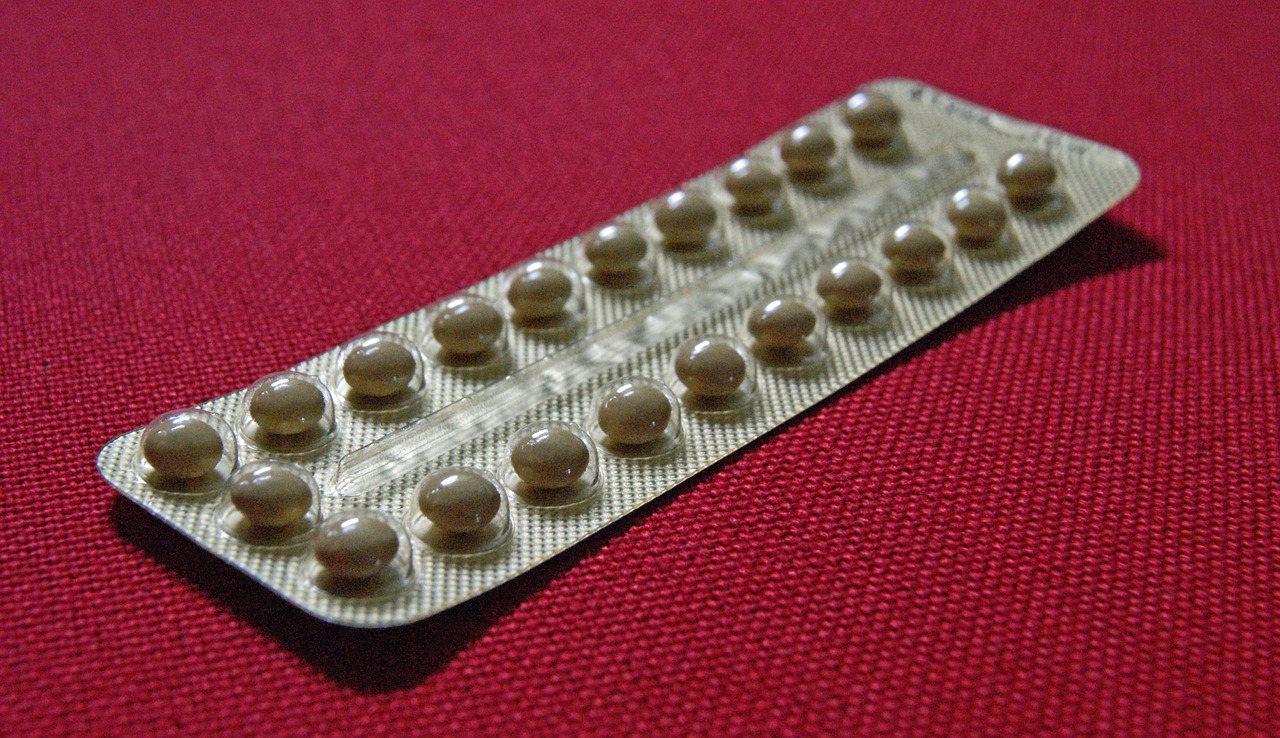
Being able to choose if and when to have children shapes women's health, education and income. Modern contraception makes that possible. Yet for many women, the method they want is not available or affordable.
Who needs contraception
WHO reports that of the 1.9 billion women of reproductive age (15–49) worldwide in 2021, 1.1 billion have a need for family planning. Of these, 874 million use modern methods and 164 million have an unmet need [1].
The methods
- Short-acting: pills, injections, condoms.
- Long-acting reversible (LARC): implants and intrauterine devices, effective for years.
- Permanent: female and male sterilisation.
- Emergency contraception after unprotected sex.
Why the unmet need persists
Common reasons include worries about side effects, limited choice of methods, cost, distance to services, and social pressure [1][2]. Young, poor and rural women are most affected.
Go deeper
Want the full picture? Our report covers market size, growth, segments, countries and the key companies. Read the report or get a free sample.
Looking to 2030
WHO reports that 874 million women now use modern contraception. Another 70 million are projected to gain access by 2030 [1].
Why family planning matters beyond health
Family planning lowers pregnancy risks, especially for adolescent girls [1]. It helps women stay in school and work [1]. It supports gender equality and economic growth [1]. It is part of Sustainable Development Goal 3.7, which calls for universal access to sexual and reproductive health care [1].
How well methods work
- Most effective and long-lasting: implants, IUDs and sterilisation [1].
- Effective when used correctly every time: pills, injections, patches and vaginal rings [1].
- Barrier methods: condoms prevent pregnancy if used correctly. They are the only method that also protects against sexually transmitted infections, including HIV [1].
- Less reliable: fertility awareness methods and withdrawal [1].
All methods in WHO guidelines have been tested for safety and effectiveness and are safe for most people [1].
Myths that stop people
A common fear is that contraception causes infertility later. WHO states clearly that modern methods do not cause infertility [1]. Other barriers include misinformation, fear of side effects, provider bias, needing a partner's consent, and limits based on age, income or marital status [1]. Good counselling deals with these fears directly.
Contraception and infertility care belong together
WHO defines family planning as both contraception and infertility treatment [1]. About 1 in 6 adults experience infertility during their lifetime [1]. Services that offer both help people plan families on their own terms.
Key numbers at a glance
- 1.9 billion women of reproductive age (2021).
- 874 million use modern methods.
- 164 million have an unmet need.
- 70 million more projected to gain access by 2030.
Adolescent girls face the highest risks
WHO estimates that girls aged 15–19 in low- and middle-income countries have about 21 million pregnancies a year. About half are unintended, and they lead to about 12 million births [3]. About 55% of unintended pregnancies in this group end in abortion, which is often unsafe in these countries [3].
The adolescent birth rate has fallen, but unevenly. Southern Asia has seen the sharpest drop [3]. Sub-Saharan Africa still has the highest rate, at 97.9 births per 1,000 girls in 2023 [3].
Adolescent mothers face higher risks of eclampsia and infections. Their babies face higher risks of low birth weight and preterm birth [3]. Child marriage, sexual abuse and barriers to getting contraception all raise the risk [3].
Choosing a method
WHO says the right method depends on each person's health, preferences and needs, and that advice from a health worker helps [1]. Good counselling covers how each method works, how well it works, side effects, and what to do if problems happen. People should be free to switch methods if one does not suit them.
What WHO does
WHO writes guidelines on the safety of methods, on delivering services and on protecting human rights in contraceptive programmes [1]. It also takes part in developing new contraceptive technologies [1].
Big gaps within regions
Birth rates among girls differ hugely by place. In 2023, the WHO African Region had about 97 births per 1,000 girls aged 15–19, compared with 13.1 in the European Region [3]. Within countries the gaps can be just as wide. In Zambia in 2018, the share of girls aged 15–19 who had begun childbearing ranged from 14.9% in Lusaka to 42.5% in Southern Province [3].
Adolescent pregnancy is higher among girls with less schooling and less money [3]. Keeping girls in school and making contraception easy for young people to get are among the most effective responses.
Where to read more
All figures in this article come from public sources listed below. For more detail, start with the WHO fact sheets on family planning and adolescent pregnancy, and the UN World Family Planning 2022 report. Each is free to read online.
Questions to ask your health worker
- Which methods suit my health and plans?
- How well does each method work in real life?
- What side effects might I notice, and when should I come back?
- How quickly can I get pregnant after stopping?
- Does this method protect against infections?
Writing these down before a visit helps make the most of a short appointment.
What this means
Wider choice, especially of long-acting and self-injectable methods, and good counselling help women find a method they keep using. Closing the unmet need is one of the best-value investments in health.
Explore on Acuitas
- Contraceptives Drugs market report – size, growth and key players
- Contraceptives Drugs statistics – key numbers, trials and research in one place
- Top 10 fastest-growing Pharmaceuticals markets
- Global Breast Cancer Diagnostic Market Analysis – related market
- Global Fertility Service Market Analysis – related market
- Global Osteoporosis Supplements Market Analysis – related market
- Contraception use – free chart in the Public Health Dashboard
- Maternal deaths – free chart in the Public Health Dashboard
- Get a free sample report or talk to our team
Topics: Contraception · Women's health · Maternal
Sources
- WHO fact sheet: Family planning/contraception methods
- UN DESA Population Division: World Family Planning 2022
- WHO fact sheet: Adolescent pregnancy
Banner image: Contraceptive Pills by Anqa, CC0, via Wikimedia Commons.
The data behind this story
Topics: Contraception · Women's health · Maternal
Go deeper