Iron deficiency is the most common cause of anaemia worldwide [1]. Iron supplements are cheap and proven, and they sit at the heart of most national anaemia programmes. Yet anaemia stays high. Part of the reason is simple: many people stop taking them.
Why iron matters
The body uses iron to make haemoglobin, which carries oxygen in the blood. Without enough iron, people feel tired, find it hard to focus, and get sick more often. Children, adolescent girls, and pregnant and breastfeeding women need more iron, so they are most at risk [1].
The size of the need in India
In India, NFHS-5 (2019–21) found anaemia in 67.1% of children aged 6–59 months and 57.0% of women aged 15–49 [2][3]. The government's Anemia Mukt Bharat programme gives iron–folic acid supplements to children, adolescents and women, along with deworming and testing [4].
The adherence problem
A supplement only works if it is taken. Common reasons people stop include stomach upset, constipation, taste, forgetting, and doubt that it helps. Programmes respond with weekly rather than daily doses for some groups, counselling, and making tablets easy to get in schools and health centres [4].
Go deeper
Want the full picture? Our report covers market size, growth, segments, countries and the key companies. Read the report or get a free sample.
- Gentler forms that cause fewer stomach problems.
- Fortified foods such as fortified rice and salt.
- Women's health products that combine iron with folate and B12.
The global picture
WHO estimates that anaemia affects about half a billion women aged 15–49 and 269 million children aged 6–59 months [1]. In 2019, 30% of non-pregnant women and 37% of pregnant women aged 15–49 had anaemia [1].
Iron deficiency, mainly from too little iron in the diet, is the most common nutritional cause of anaemia [1].
Why iron runs low
- Too little iron in food, or poor absorption [1].
- Blood loss from heavy periods, childbirth or parasites such as hookworm [1].
- Low iron stores at birth [1].
- The extra needs of pregnancy and growth [1].
Getting more from food
Meat, fish and poultry contain iron that is easy to absorb. Beans, lentils and green leafy vegetables contain iron that is absorbed less well. Eating them with vitamin C, such as citrus fruit or tomatoes, helps. Tea and coffee with meals can lower absorption.
India's programme
Anemia Mukt Bharat gives iron and folic acid supplements to children, adolescents, and pregnant and breastfeeding women, alongside deworming and testing [4]. NFHS-5 found 57.0% of women aged 15–49 had anaemia [3]. Steady supply, follow-up and help with side effects decide whether people keep taking the tablets.
Key numbers at a glance
- About half a billion women 15–49 and 269 million young children have anaemia.
- 37% of pregnant women had anaemia in 2019.
- India (NFHS-5): 57.0% of women 15–49.
Questions to ask your health worker
- What is my haemoglobin and ferritin level?
- How long should I take iron?
- Is a daily or alternate-day dose better for me?
- When should I be re-tested?
Where to read more
All figures in this article come from public sources listed below. For more detail, start with the WHO anaemia fact sheet and India's National Family Health Survey (NFHS-5) report. Each is free to read online. If anything here raises a question about your own health, take this article to your doctor or pharmacist and talk it through together.
Common myths
- Myth: Feeling tired always means low iron. Fact: Tiredness has many causes. A blood test is needed [1].
- Myth: More iron is always better. Fact: Too much iron can cause stomach upset and, over time, harm. Doses should match need.
- Myth: Iron tablets fix all anaemia. Fact: Anaemia can also come from low B12, folate, infections or inherited blood disorders [1].
Reading the label
- The amount of elemental iron per tablet, not just the salt weight.
- The iron form, such as ferrous sulphate or ferrous fumarate.
- Whether folic acid is included.
- Instructions on taking it with or without food.
Iron tablets should be kept away from children. An iron overdose can be very dangerous for a small child.
Side effects and how to manage them
Iron tablets can cause nausea, stomach pain, constipation or dark stools. These are common reasons people stop taking them. Tips that often help:
- Take the tablet with a small amount of food if the stomach is upset.
- Try taking it at night.
- Drink water and eat fibre to prevent constipation.
- Ask about a lower dose or alternate-day dosing.
Health workers who explain side effects in advance help people keep going.
Iron in pregnancy
Pregnancy raises iron needs because of the growing baby and the mother's larger blood volume [1]. Anaemia in pregnancy can cause problems for mothers and babies [1]. That is why iron and folic acid tablets are part of routine antenatal care in many countries, including India's Anemia Mukt Bharat [4]. Testing haemoglobin at each visit shows whether treatment is working.
Children
Young children, especially under 2, are among the groups most at risk of anaemia [1]. Severe anaemia can harm a child's thinking and movement development [1]. Iron-rich foods, such as fortified cereals, lentils, eggs and meat, should be part of a child's diet once they start solid food. Iron drops or syrups should only be given on a health worker's advice and at the right dose.
What this means
The science of iron is settled. The challenge is delivery and adherence. Products that people find easy to take, and programmes that test and follow up, will do the most good.
Explore on Acuitas
- Iron Supplement market report – size, growth and key players
- Iron Supplement statistics – key numbers, trials and research in one place
- Top 10 fastest-growing OTC & Nutraceuticals markets
- Global Adaptogens Market Analysis – related market
- Global Amino Acid Market Analysis – related market
- Global Anemia Drugs Market Analysis – related market
- Anaemia in women 15–49 – free chart in the Public Health Dashboard
- Stunting in children under 5 – free chart in the Public Health Dashboard
- Get a free sample report or talk to our team
Topics: Anemia · Nutrition · Maternal
Sources
- WHO fact sheet: Anaemia
- Ministry of Health & Family Welfare. National Family Health Survey (NFHS-5), 2019–21: India report
- Lok Sabha answer citing NFHS-5: anaemia in women 15–49 is 57.0% (64.6% scheduled tribe, 58.5% rural)
- Anemia Mukt Bharat programme (Ministry of Health & Family Welfare)
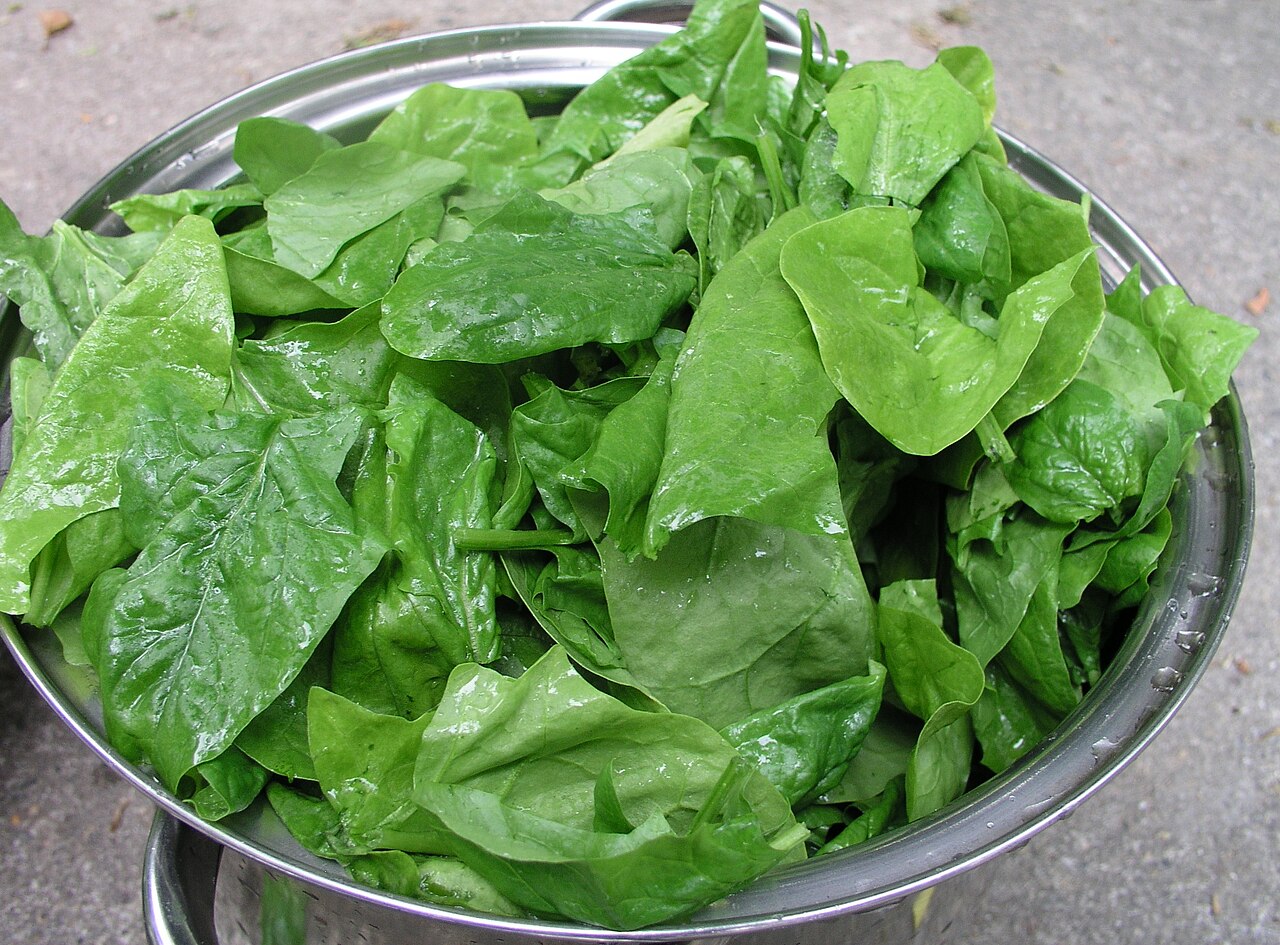
Banner image: Spinach leaves by Nillerdk, CC BY 3.0, via Wikimedia Commons.
The data behind this story
Topics: Anemia · Nutrition · Maternal
Go deeper