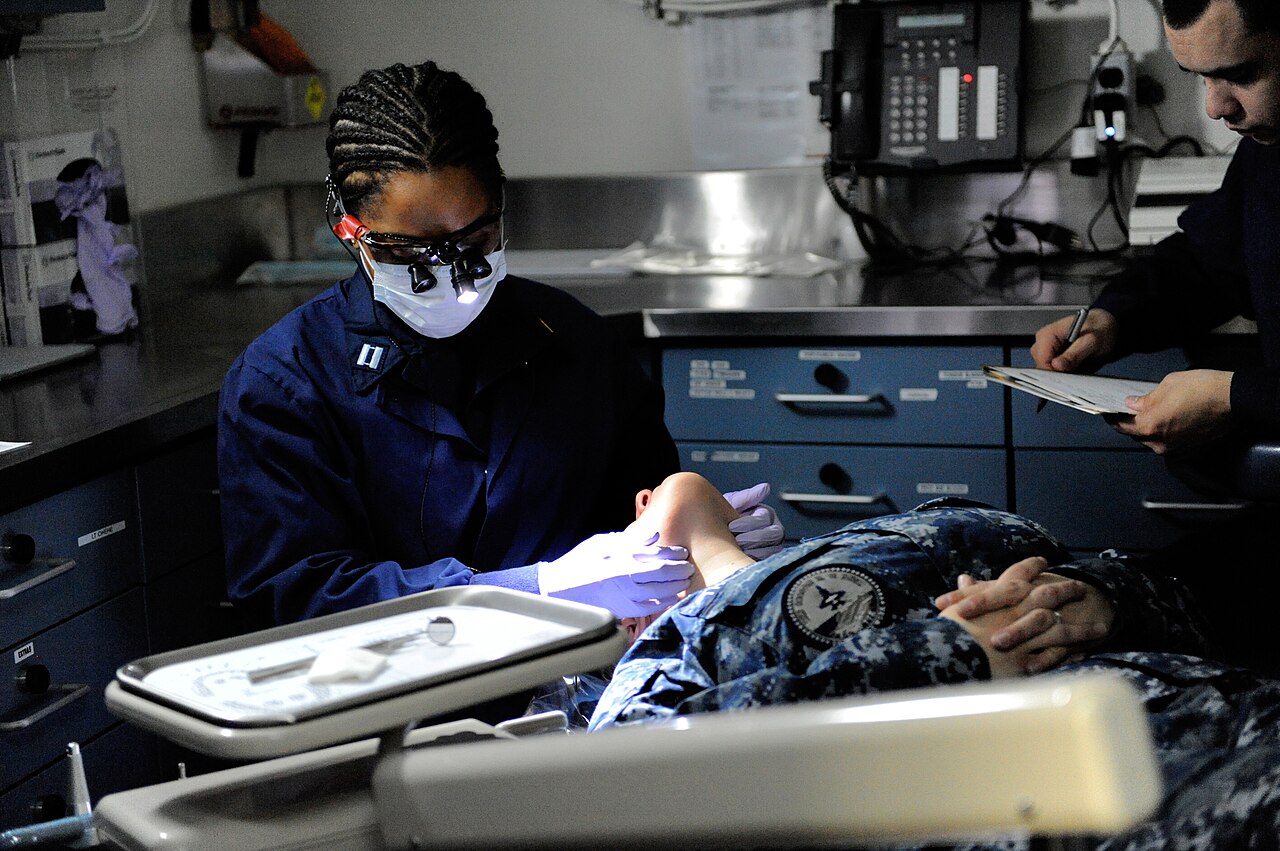
Tooth decay and gum disease are the most common health problems in the world. They cause pain, trouble eating and missed school and work. Most can be prevented with fluoride, less sugar and regular care.
The burden
WHO estimates that oral diseases affect nearly 3.7 billion people [1]. Untreated tooth decay in adult teeth is the most common health condition of all [1]. Severe gum disease accounts for more than 1 billion cases [1].
Why access is hard
- Dental care is expensive and usually not part of universal health coverage packages [1].
- Paying for dental care is a leading cause of catastrophic health spending [1].
- Dentists are unevenly spread, with few in rural areas [1].
- Poorer people have more oral disease at every age [1].
Prevention first
WHO recommends brushing twice a day with fluoride toothpaste (1,000–1,500 ppm), cutting free sugars, and stopping tobacco and areca nut use [1]. Oral cancer is the 13th most common cancer, with about 390,000 new cases in 2022 [1]. Tobacco, alcohol and areca nut are leading causes, which makes it a major concern in South Asia.
The main oral diseases
- Tooth decay happens when plaque turns sugars into acids that destroy the tooth. Untreated decay in adult teeth is the most common health condition in the world [1].
- Gum disease causes bleeding, swollen gums and bad breath. In severe form, teeth can come loose and fall out. Poor cleaning and tobacco are the main risks [1].
- Dental injuries affect about 1 billion people, with about 20% of children up to age 12 affected [1].
- Oral cancer had 389,846 new cases and 188,438 deaths in 2022 [1].
Children at risk
Noma is a severe gangrene of the mouth and face. It mostly affects children aged 2–6 who are malnourished and living in extreme poverty [1]. The latest estimate, from 1998, is 140,000 new cases a year. Without treatment, 90% of cases are fatal [1]. Caught early, it can be stopped with basic hygiene, antibiotics and better food [1].
Cleft lip and palate occur in about 1 in every 1,000–1,500 births [1]. With proper surgery, full rehabilitation is possible [1].
Why oral health is linked to other diseases
Oral diseases share risk factors with heart disease, cancer, lung disease and diabetes: sugar, tobacco and alcohol [1]. Diabetes and gum disease affect each other in both directions [1]. High sugar intake is linked to diabetes, obesity and tooth decay [1]. This makes dental care a natural part of primary care.
Global commitments
- 2021: the World Health Assembly passed a resolution on oral health, calling for prevention and inclusion in health cover [1].
- 2022: WHO's Global Strategy on Oral Health was adopted [1].
- 2023: the Global Oral Health Action Plan 2023–2030 was noted by member states [1].
- 2024: the Bangkok Declaration, "No Health Without Oral Health", came out of WHO's first global oral health meeting [1].
Who gets left out
Poorer people have more oral disease at every stage of life, in rich and poor countries alike [1]. Out-of-pocket costs keep many people away from the dentist until pain forces them in. By then, treatment is bigger and more expensive. School tooth-brushing programmes, fluoride and low-cost primary dental care reach people earlier.
Fluoride and sugar
WHO calls enough fluoride "an essential factor" in preventing tooth decay [1]. Fluoride can come from water, salt, milk or toothpaste. WHO advises brushing twice a day with toothpaste that has 1,000–1,500 ppm fluoride [1].
Free sugars are the other half of the story. These are sugars added to food and drinks, plus sugars in honey, syrups and fruit juice [1]. Plaque turns them into acid that eats into teeth [1]. WHO also points to the marketing of sugary foods and drinks as a driver of tooth decay [1].
Tooth loss in older age
Losing all teeth is usually the end result of a lifetime of decay and gum disease [1]. Almost 7% of adults aged 20 and over have lost all their teeth. For people aged 60 and over, it is 23% [1]. Losing teeth can make eating and speaking hard, and can hurt self-confidence [1]. Dentures and implants restore function, but cost keeps them out of reach for many.
Oral cancer in South Asia
Tobacco, alcohol and areca nut (betel quid) are leading causes of oral cancer [1]. Oral cancer is more common in men and older people [1]. Mouth checks by dentists and primary care staff can find early changes when they are easiest to treat.
A heavy cost for families
WHO says paying for dental care is among the leading reasons for catastrophic health spending. That raises the risk of poverty and hardship [1]. Oral health care is often not part of national health cover [1]. Most low- and middle-income countries do not have enough services to prevent and treat oral disease [1]. Adding basic dental care to primary care and public insurance would protect many families.
Protecting teeth in sport and travel
WHO advises mouth guards and other protective gear in sports, and helmets on bicycles and motorcycles, to reduce face and tooth injuries [1].
Key numbers at a glance
- Oral diseases affect nearly 3.7 billion people.
- Severe gum disease: more than 1 billion cases.
- Oral cancer: 389,846 new cases and 188,438 deaths in 2022.
- 23% of people aged 60+ have lost all their teeth.
- Noma kills 90% of people who are not treated.
Most of this is preventable with fluoride, less sugar, no tobacco and basic dental care.
What this means
WHO's Global Oral Health Action Plan 2023–2030 pushes countries to add oral care to primary care and health cover [1]. Dental chains, insurance plans and tele-dentistry are growing to meet demand, while prevention remains the cheapest care of all.
Explore on Acuitas
- Dental Care Service market report – size, growth and key players
- Dental Care Service statistics – key numbers, trials and research in one place
- Top 10 fastest-growing Healthcare Services markets
- Global Dental 3D Printing Market Analysis – related market
- Global Dental Articulators Market Analysis – related market
- Global Dental CAD/CAM Market Analysis – related market
- Get a free sample report or talk to our team
Topics: Dental
Sources
Banner image: A Navy dentist exames a patient at sea by Official U.S. Navy Page, Public domain, via Wikimedia Commons.
The data behind this story
Topics: Dental
Go deeper