Infertility means not getting pregnant after 12 months or more of regular unprotected sex. It affects men and women alike. It can cause distress, stigma and money problems. Yet fertility care is out of reach for many people.
How common is it?
WHO estimates that around 17.5% of adults, roughly 1 in 6, experience infertility in their lifetime [1]. Rates are similar across income levels: 17.8% in high-income countries and 16.5% in low- and middle-income countries [1].
The access gap
In most countries, fertility treatment is paid out of pocket [1]. A study in Human Reproduction Open found that a single IVF cycle in low- and middle-income countries often costs more than the average annual income [2]. People in the poorest countries spend a larger share of their income on fertility care [1].
Fertility services today
- Diagnosis for both partners: hormone tests, ultrasound, semen analysis.
- Medicines to trigger ovulation.
- Intrauterine insemination (IUI).
- IVF and ICSI, including frozen embryo transfer.
- Egg and embryo freezing, used more often by people delaying parenthood.
Go deeper
Want the full picture? Our report covers market size, growth, segments, countries and the key companies. Read the report or get a free sample.
How WHO measured infertility
WHO's 2023 report looked at studies from 1990 to 2021. Its search found 12,241 records. After screening, 133 studies were used to build the global estimates [1]. The report found little difference between regions. That is why WHO says infertility "does not discriminate" [1].
Causes in both partners
Infertility can come from the female or the male reproductive system [1]. Male factors are often missed when only the woman is tested. Good fertility clinics check both partners from the first visit. This saves time and money, and avoids treatments that will not help.
The cost problem
WHO calls high fertility costs "a medical poverty trap" for many people [1]. In most countries, treatment is paid out of pocket [1]. The research WHO cited found that a single IVF cycle in low- and middle-income countries often costs more than a year's average income [2]. Many couples need more than one cycle.
WHO says better policies and public funding can improve access and protect poorer families from falling into poverty [1]. Options that countries use include:
- Covering basic tests and medicines in public health insurance.
- Funding a set number of IVF cycles for eligible couples.
- Regulating clinic prices and publishing success rates.
- Training general doctors to start basic tests early.
Stigma and mental health
Infertility can cause distress, stigma and money problems, and affects mental well-being [1]. In some places women carry most of the blame, even when the cause is male. Counselling and support groups are part of good fertility care, not an extra.
The data gap
WHO found a lack of data in many countries and some regions [1]. It calls for national data on infertility by age and by cause [1]. Without this, it is hard to plan services, set prices or know who is being left out. Clinic registries that report cycles and outcomes help fill this gap.
Where demand is heading
People are starting families later in many countries. More people are also freezing eggs or embryos for later use. Both trends add to demand for fertility services. The challenge is to grow access without pushing families into debt.
Questions to ask a fertility clinic
- Will both partners be tested before treatment starts?
- What are your success rates for people of my age, and how are they counted?
- What is the full cost per cycle, including medicines, scans and freezing?
- How many embryos do you usually transfer, and why?
- What counselling and support do you offer?
Clear answers help people compare clinics and avoid surprise costs. WHO notes that high costs often stop people from getting treatment, or push them into poverty when they do [1].
Fertility care in public health systems
WHO says fertility care should no longer be sidelined in health research and policy [1]. It wants safe, effective and affordable ways to become parents to be available to those who seek them [1]. Some steps are cheap: teaching about risks such as untreated sexually transmitted infections, and making basic tests part of primary care. Others, like IVF, need specialist clinics, trained embryologists and good labs.
Common causes
WHO lists the main causes [3]. In women: blocked fallopian tubes, often from untreated sexually transmitted infections; womb problems such as endometriosis and fibroids; ovary problems such as polycystic ovary syndrome; and hormone problems. In men: blocked tubes that carry semen, hormone problems, failure to make sperm, and sperm with abnormal shape or movement. Smoking, heavy drinking, obesity and environmental toxins can also lower fertility [3].
WHO says some causes can be prevented. Preventing and treating infections, and safer care around childbirth and abortion, reduce later infertility [3].
Key numbers at a glance
- About 17.5% of adults, or 1 in 6, experience infertility.
- 17.8% in high-income and 16.5% in low- and middle-income countries.
- One IVF cycle often costs more than a year's average income in low- and middle-income countries.
- WHO's estimates drew on 133 studies.
Infertility is common everywhere, but access to care depends heavily on money.
What this means
Demand will keep rising as people start families later. Public funding, insurance cover and lower-cost treatment models would help close the gap. Better data is also needed; WHO notes many countries lack infertility data [1].
Explore on Acuitas
- Fertility Service market report – size, growth and key players
- Fertility Service statistics – key numbers, trials and research in one place
- Top 10 fastest-growing Healthcare Services markets
- Global Breast Cancer Diagnostic Market Analysis – related market
- Global Contraceptives Drugs Market Analysis – related market
- Global Men's Health Supplements Market Analysis – related market
- Teenage births – free chart in the Public Health Dashboard
- Children per woman – free chart in the Public Health Dashboard
- Get a free sample report or talk to our team
Topics: Fertility · Women's health · Men's health
Sources
- WHO news (4 Apr 2023): 1 in 6 people globally affected by infertility
- Njagi et al. Financial costs of assisted reproductive technology in low- and middle-income countries (Human Reproduction Open, 2023)
- WHO fact sheet: Infertility
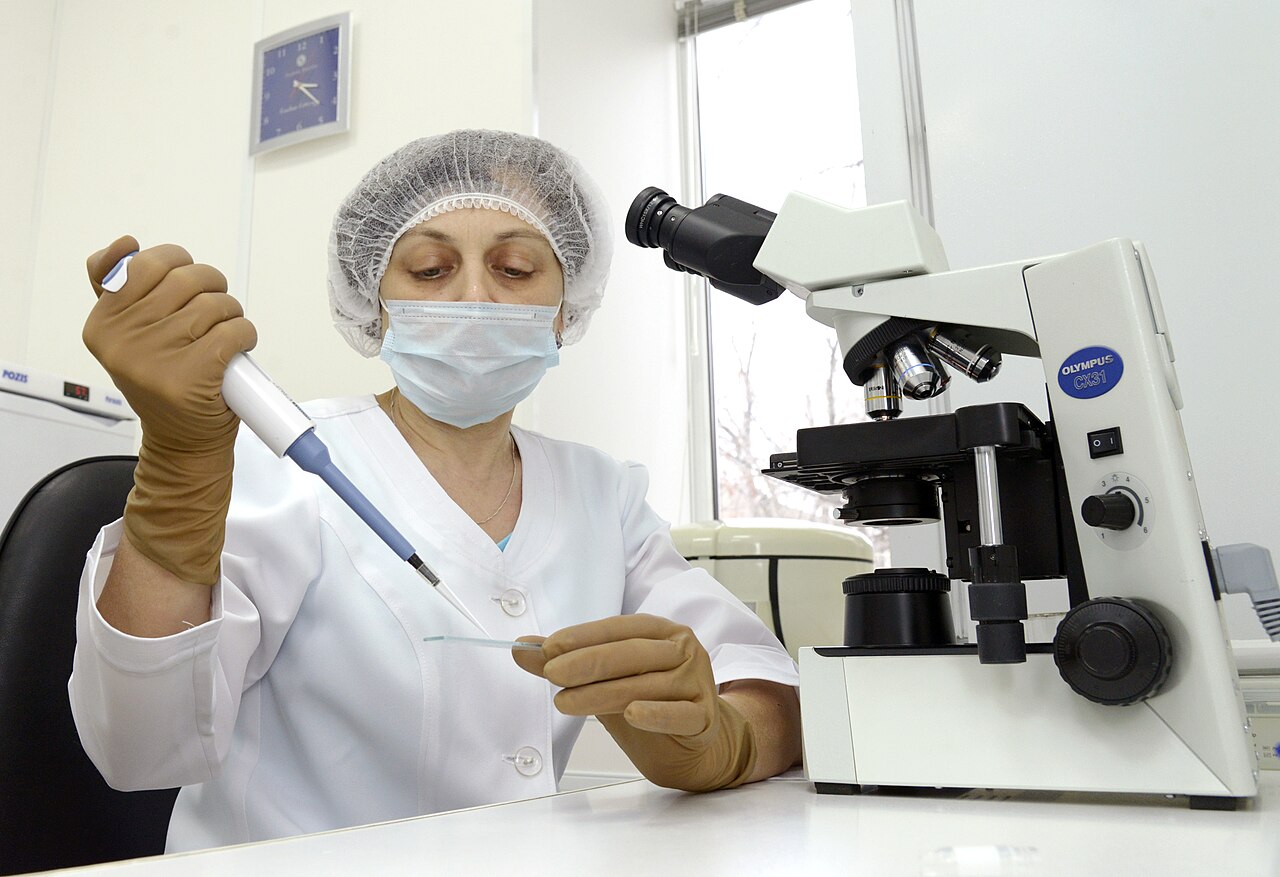
Banner image: IVF laboratory by Galina Fomina, CC BY 4.0, via Wikimedia Commons.
The data behind this story
Topics: Fertility · Women's health · Men's health
Go deeper