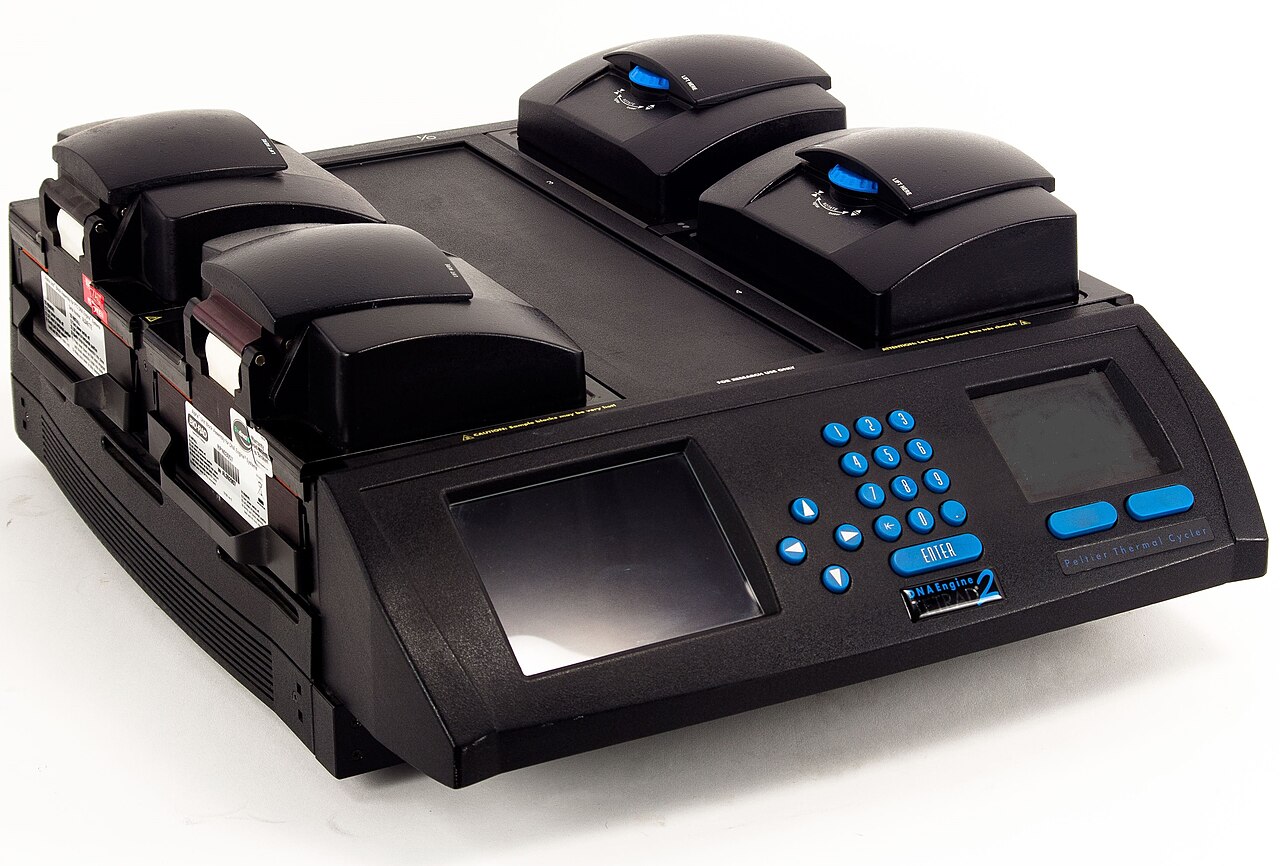
Molecular tests look for the genetic material of a germ, such as its DNA or RNA. They are very accurate. For years they needed a full lab and trained staff. Now, small cartridge-based machines can run them in clinics, often in under two hours.
How they work
A sample, such as sputum, a swab or blood, goes into a sealed cartridge. The machine extracts genetic material, copies the target many times, and detects it. Many systems also check for gene changes that make germs resistant to drugs. The sealed cartridge lowers the risk of contamination and the need for lab skills.
TB: the leading use
WHO recommends rapid diagnostic tests as the first test for everyone with signs of TB. These include molecular tests, which can guide treatment within 48 hours [1]. Detecting drug-resistant TB requires rapid molecular tests or culture [1].
In 2024, 10.7 million people fell ill with TB and 1.23 million died [1]. India alone had 25% of new cases [1]. Only about 2 in 5 people with drug-resistant TB got treatment in 2024 [1]. Finding resistance early is key to closing that gap.
Other uses
- HIV: early infant diagnosis and viral load testing.
- Hepatitis C: confirming active infection before treatment.
- Respiratory viruses: COVID-19, flu and RSV.
- Sexually transmitted infections: chlamydia and gonorrhoea.
- Hospital infections: MRSA and C. difficile screening.
- Cervical cancer screening: HPV testing.
WHO lists the HPV test as the preferred method for cervical cancer screening [2]. Molecular POC platforms make this possible in more places.
Drug resistance
One in six lab-confirmed bacterial infections was resistant to antibiotics in 2023 [3]. In gonorrhoea, resistance to ciprofloxacin is about 75% [3]. Molecular tests that detect both a germ and its resistance genes help doctors choose the right drug the first time.
Cost
Machines and cartridges cost more than simple rapid tests. Cartridge price is often the biggest ongoing cost. Machines need steady power, maintenance and service contracts. Multi-disease platforms, which run tests for several diseases on the same machine, help spread the cost and keep machines busy.
Making it work
- Place machines where patients are, not just in district labs.
- Keep cartridges in stock and track expiry dates.
- Send results digitally to clinicians and patients.
- Start treatment the same day where possible.
Key numbers at a glance
- TB: 10.7 million cases and 1.23 million deaths in 2024.
- India: 25% of new TB cases.
- Only about 2 in 5 people with drug-resistant TB got treatment.
- 1 in 6 bacterial infections resistant to antibiotics (2023).
Go deeper
Want the full picture? Our report covers market size, growth, segments, countries and the key companies. Read the report or get a free sample.
Shorter TB treatment needs faster diagnosis
In 2022, WHO prioritised a 6-month all-oral treatment for drug-resistant TB [1]. About 34,000 people started these shorter treatments in 2024, up from 5,653 in 2023 and 1,744 in 2022 [1]. Shorter, easier treatment only helps if resistance is found quickly, which is what molecular tests do.
TB and HIV together
People with HIV are 12 times more likely to fall ill with TB [1]. About 150,000 people died of HIV-associated TB in 2024 [1]. Platforms that can test for TB and run HIV viral load on the same machine help clinics serve both groups.
The cost of TB for families
About 50% of people treated for TB, and their households, face catastrophic costs, more than 20% of household income [1]. Every extra visit for testing adds travel and lost work. Same-day molecular results can reduce these costs.
Funding
WHO says US$22 billion is needed each year for TB prevention, diagnosis, treatment and care to meet targets by 2027 [1]. Most TB spending in 2024, 82%, came from domestic sources [1]. Spending on TB research, at US$1.2 billion in 2023, is far below the US$5 billion a year target [1].
Where to read more
All figures in this article come from public sources listed below. For more detail, start with the WHO tuberculosis fact sheet and WHO's Global Tuberculosis Report. Each is free to read online. Health planners, lab managers and buyers can use these sources to compare their own country or facility with the global picture. If anything here raises a question about your own health, take this article to your doctor or pharmacist and talk it through together. Good questions lead to better care. Small steps like these add up across a whole health system.
TB infection tests
About a quarter of the world's people have been infected with TB bacteria. Only 5–10% will become ill [1]. Skin tests and blood tests (IGRA) can find TB infection in people at high risk, so they can take preventive treatment [1]. Molecular tests are used for active disease, not for this latent infection.
Where TB is most common
In 2024, the WHO South-East Asia Region had 34% of new TB cases, the Western Pacific 27% and Africa 25% [1]. The top five countries had 55% of all cases [1]. These are the places where wider use of molecular tests would help most.
Questions for programmes
- Where are machines placed, and are they busy enough?
- How long do results take to reach the patient?
- Are cartridges always in stock?
- Do positive results lead to treatment the same day?
- Who maintains the machines?
Tracking these simple measures shows whether a molecular testing network is really helping patients.
What this means
Molecular POC testing brings lab-grade answers to primary care. TB, HIV and HPV programmes are the main drivers today. Lower cartridge prices, multi-disease platforms and links to same-day treatment will decide how far it spreads.
Explore on Acuitas
- Point Of Care (PoC) Molecular Diagnostic market report – size, growth and key players
- Point Of Care (PoC) Molecular Diagnostic statistics – key numbers, trials and research in one place
- Top 10 fastest-growing Healthcare Services markets
- Global Acute Care Needleless Connectors Market Analysis – related market
- Global Alzheimers Dignostic Market Analysis – related market
- Global Aminoglycosides Market Analysis – related market
- Tuberculosis new cases – free chart in the Public Health Dashboard
- Medicine sales: anti-infectives – free chart in the Public Health Dashboard
- Get a free sample report or talk to our team
Topics: Diagnostics and lab testing · Tuberculosis · Infectious diseases
Sources
Banner image: A Multi Bay PCR Machine by Labcare, CC0, via Wikimedia Commons.
The data behind this story
Topics: Diagnostics and lab testing · Tuberculosis · Infectious diseases
Go deeper