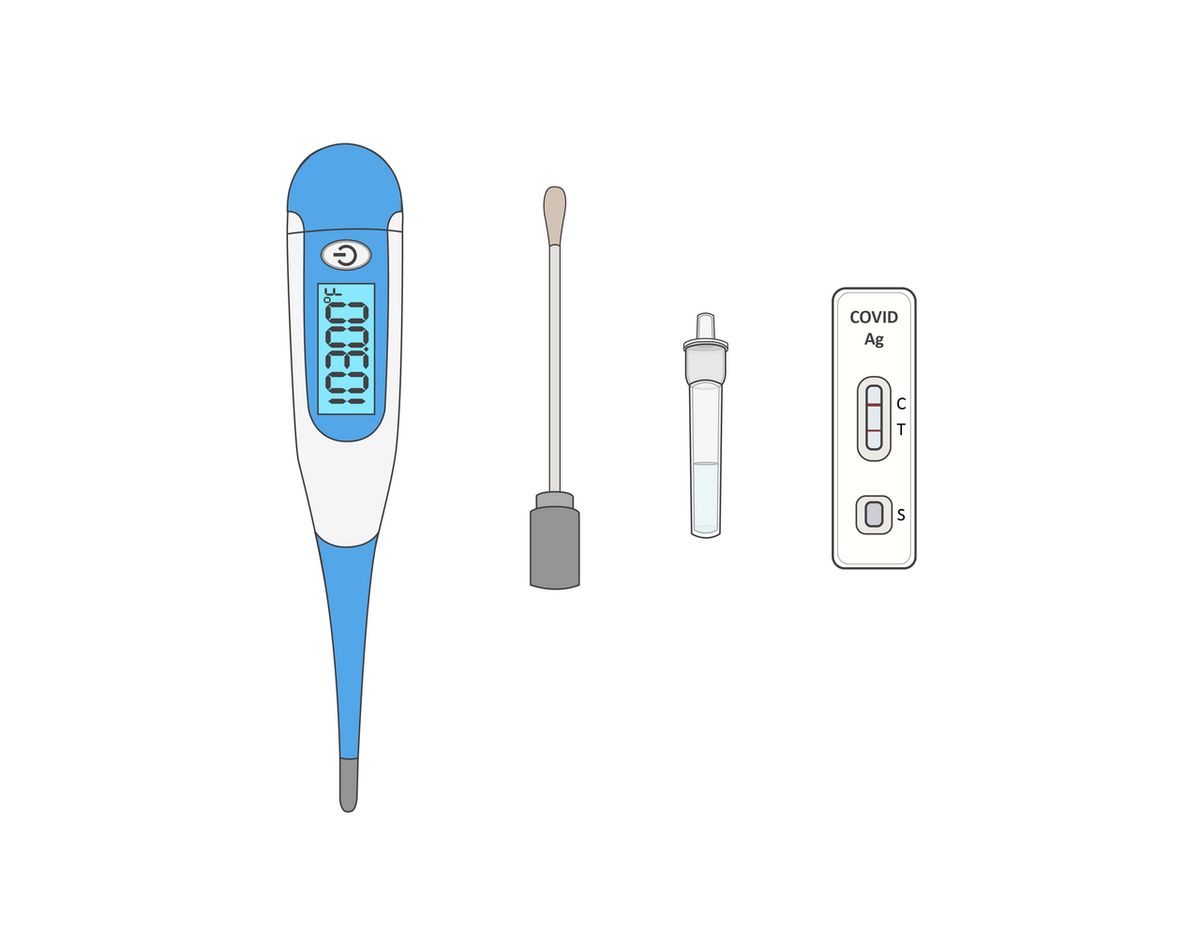
A point-of-care (POC) test gives a result where the patient is: at a clinic, pharmacy, ambulance, village or home. There is no need to send a sample to a distant lab and wait days. The best-known example is a pregnancy test. Others include blood sugar meters, rapid malaria and HIV tests, and COVID-19 tests.
Why POC testing matters
The Lancet Commission on diagnostics found that 47% of people worldwide have little or no access to diagnostics [1]. The gap is worst in primary care [1]. WHO says up to 81% of basic primary care facilities in 14 low- and middle-income countries lacked essential tests, apart from HIV and malaria [2]. POC tests can fill much of this gap because they need little equipment or training.
Common tests
- Blood sugar and HbA1c for diabetes.
- Haemoglobin for anaemia.
- Rapid tests for HIV, syphilis, hepatitis B and C, and malaria.
- Urine tests for pregnancy, infection and kidney problems.
- Heart tests, such as troponin for heart attack.
- Clotting tests for people on warfarin.
- Molecular tests for TB and other infections.
TB: a clear example
WHO now recommends rapid tests as the first test for everyone with signs of TB. These include point-of-care biomarker tests and molecular tests. They can give results to guide treatment within 48 hours [3]. TB caused 1.23 million deaths in 2024, and 10.7 million people fell ill [3]. Faster diagnosis means faster treatment and less spread.
Quality and accuracy
POC tests are only useful if results are right. Some rapid tests are less sensitive than lab tests and can miss disease. Staff need training, quality checks and a clear plan for confirming positive or unclear results. The Commission warned that during COVID-19, unreliable and even false tests appeared quickly [4]. Regulation and buying only quality-assured tests protect patients.
Growth drivers
- More chronic disease that needs regular checks.
- Care moving out of hospitals into clinics, pharmacies and homes.
- Connected readers that send results straight to health records.
- Lessons and new capacity from COVID-19 testing.
Connecting results to care
A test result only helps if it leads to action. Good POC programmes link testing to treatment on the same day, record results digitally and report key results to public health systems. This "test and treat" approach saves return visits and keeps patients in care.
Key numbers at a glance
- 47% of people have little or no access to diagnostics.
- Up to 81% of primary care facilities in 14 countries lacked essential tests.
- Rapid TB tests give results within 48 hours.
- TB: 1.23 million deaths and 10.7 million cases in 2024.
Go deeper
Want the full picture? Our report covers market size, growth, segments, countries and the key companies. Read the report or get a free sample.
Diagnostics in the Lancet Commission
The Lancet Commission on diagnostics brought together 25 experts from 16 countries [4]. It said diagnostics are central to good care but are underfunded at every level [1]. Without accurate, affordable tests, many patients are over-treated, under-treated or not treated at all [4]. It called on leaders to close the diagnostic gap and to develop more tests outside high-income countries [4].
POC testing for TB and HIV
People living with HIV are 12 times more likely to fall ill with TB [3]. TB is the leading cause of death among people with HIV [3]. Testing for both at the same visit, with rapid tests, helps find these patients earlier. In 2024, 82% of people with TB had a recorded HIV test result [3].
Home testing
COVID-19 made home testing common. Self-tests now exist for HIV, pregnancy, blood sugar and some infections. They help people who live far from clinics or fear stigma. Clear instructions and a way to get confirmatory testing and care are essential.
Cost per test
POC tests often cost more per test than a large central lab. But they can save money overall: fewer return visits, faster treatment, fewer people lost to follow-up, and less travel. Health systems should compare the full cost of care, not just the test price.
Before choosing a POC test
- Is it quality-assured and approved in this country?
- How accurate is it compared with the lab test?
- Can staff run it with little training?
- Does it need power, a fridge or a reader?
- How will results be recorded and acted on?
Where to read more
All figures in this article come from public sources listed below. For more detail, start with the Lancet Commission on diagnostics, WHO's Global Diagnostics Coalition and the WHO tuberculosis fact sheet. Each is free to read online. If anything here raises a question about your own health, take this article to your doctor or pharmacist and talk it through together. Good questions lead to better care. Small steps like these add up across a whole health system.
Pharmacies as testing sites
Pharmacies are often the first and closest place people go for health advice. In many countries they now offer blood sugar, blood pressure and some infection tests. This can reach people who rarely see a doctor. Clear rules on which tests pharmacies can run, how results are recorded and when to refer patients keep this safe.
What this means
POC testing is one of the fastest ways to close the diagnostic gap. Low-cost, quality-assured tests, linked to treatment and digital records, will matter most in primary care. Growth will also come from homes and pharmacies in richer countries.
Explore on Acuitas
- Point of Care Diagnostics market report – size, growth and key players
- Point of Care Diagnostics statistics – key numbers, trials and research in one place
- Top 10 fastest-growing Digital Health markets
- Global Acute Care Needleless Connectors Market Analysis – related market
- Global Alzheimers Dignostic Market Analysis – related market
- Global Aminoglycosides Market Analysis – related market
- Medicine sales: anti-infectives – free chart in the Public Health Dashboard
- Get a free sample report or talk to our team
Topics: Diagnostics and lab testing · Infectious diseases
Sources
- Fleming KA et al. The Lancet Commission on diagnostics: transforming access to diagnostics (The Lancet, 2021)
- WHO: Global Diagnostics Coalition
- WHO fact sheet: Tuberculosis
- The Lancet press release (Oct 2021): Half of the global population lack access to basic diagnostics
Banner image: Rapid diagnostic test & thermometer v2 by Open Critical Care & World Health Organization, CC BY 4.0, via Wikimedia Commons.
The data behind this story
Topics: Diagnostics and lab testing · Infectious diseases
Go deeper