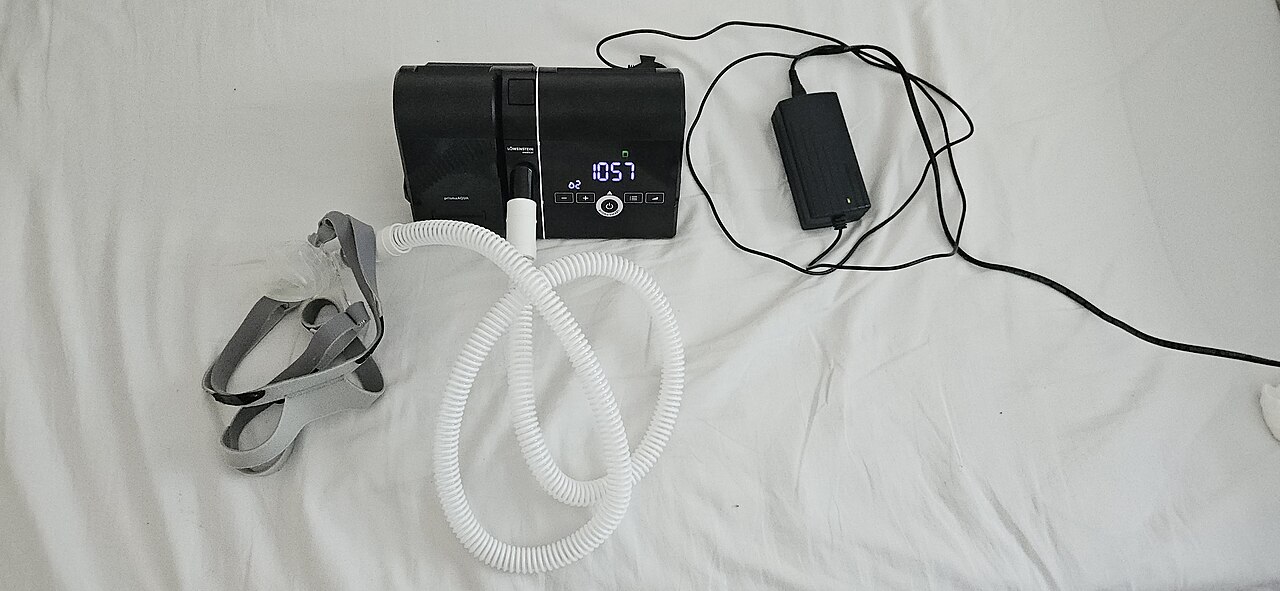
Snoring is common and often harmless. But loud snoring with pauses in breathing can be a sign of obstructive sleep apnoea (OSA). In OSA, the throat closes again and again during sleep, cutting off airflow. The brain wakes briefly to restart breathing, often without the person knowing. This can happen dozens of times an hour.
How common is it?
A 2019 analysis in The Lancet Respiratory Medicine estimated that about 936 million adults aged 30–69 worldwide have OSA, and about 425 million have moderate to severe OSA [1]. In some countries, more than half of this age group is affected [1].
Why it matters
Untreated OSA is linked to daytime sleepiness, poor concentration, road accidents, high blood pressure, heart disease and stroke. The 2019 study authors described OSA as a disorder with major brain and heart effects [1]. In the US, 30.5% of adults slept less than 7 hours in 2024 [2], and poor sleep from OSA adds to the burden.
Signs of sleep apnoea
- Loud snoring, often with gasps or choking.
- Pauses in breathing seen by a partner.
- Waking with a dry mouth or headache.
- Feeling very sleepy during the day.
- Trouble concentrating or mood changes.
Risk factors
Excess weight is a major risk factor, because fat around the neck narrows the airway. WHO reports that 2.6 billion adults were overweight in 2024 [3]. Other risks include older age, male sex, a large neck, alcohol before bed, smoking and some face or jaw shapes.
Diagnosis
A sleep study measures breathing, oxygen and other signals during sleep. It can be done in a sleep lab or, for many people, at home with a simpler device. The result shows how many breathing pauses happen each hour.
Treatment devices
- CPAP: a machine that blows air through a mask to keep the airway open. The most effective treatment for moderate to severe OSA.
- Oral appliances: mouth guards that move the lower jaw forward, often for mild to moderate OSA or snoring.
- Positional devices: help people avoid sleeping on their back.
- Nerve stimulation implants: for some people who cannot use CPAP.
- Over-the-counter snoring aids: nasal strips and sprays; these do not treat OSA.
Lifestyle steps
Losing weight, avoiding alcohol before bed, stopping smoking and treating nasal congestion can reduce snoring and OSA. For some people with obesity, weight loss can greatly improve or even resolve OSA.
Sticking with CPAP
Many people find CPAP hard at first. Good mask fitting, humidifiers, support from sleep teams and remote monitoring of use help people keep going. Most modern machines record use and send data to the care team.
Key numbers at a glance
- About 936 million adults aged 30–69 have OSA.
- About 425 million have moderate to severe OSA.
- 2.6 billion adults overweight (2024).
Go deeper
Want the full picture? Our report covers market size, growth, segments, countries and the key companies. Read the report or get a free sample.
Sleep apnoea and driving
Daytime sleepiness from untreated sleep apnoea raises the risk of road crashes. Some countries require professional drivers to be screened and treated. Anyone who feels very sleepy while driving should stop and seek care.
Children and sleep apnoea
Children can have sleep apnoea too, often from large tonsils or adenoids. Signs include snoring, restless sleep, bedwetting and daytime behaviour or learning problems. Surgery to remove tonsils and adenoids often helps.
New treatment options
Weight loss medicines are being studied and used for people with obesity and sleep apnoea. Some research suggests significant weight loss can improve sleep apnoea a lot. Device makers are also developing quieter, smaller CPAP machines and better masks.
Questions for your doctor
- Should I have a sleep study?
- Is a home test right for me?
- Which treatment suits my type and severity of sleep apnoea?
- How will we check if treatment is working?
In short
Loud snoring with pauses in breathing deserves a check. Treatment can improve sleep, energy and heart health.
Partners and families
Bed partners are often the first to notice snoring and breathing pauses. Their reports help doctors decide who needs a sleep study. Treating sleep apnoea often improves sleep for the whole household, not just the patient.
What this means
Sleep apnoea is far more common than once thought, and most people with it are not diagnosed. Home sleep tests, better CPAP support and weight loss treatments could help millions sleep better and lower their heart risks.
Where to read more
All figures in this article come from public sources listed below. For more detail, start with the 2019 Lancet Respiratory Medicine study on sleep apnoea and the WHO obesity fact sheet. Each is free to read online. If anything here raises a question about your own health, take this article to your doctor or pharmacist and talk it through together. Buyers, investors and policy makers can also use these sources to check claims in sales materials and compare options on the same public evidence. Where public sources disagree or update their figures, we note the year of each number so readers can see how the picture changes over time. Readers who spot an error or a newer source are welcome to contact our team. Reader questions help us choose which topics to cover in future articles and reports, so please tell us what you would like to see next.
Explore on Acuitas
- Anti-Snoring Devices market report – size, growth and key players
- Anti-Snoring Devices statistics – key numbers, trials and research in one place
- Top 10 fastest-growing Medical Devices markets
- Global Airway Management Devices Market Analysis – related market
- Global Anesthesia & Respiratory Devices Market Analysis – related market
- Global Asthma & COPD Drugs Market Analysis – related market
- Deaths from air pollution – free chart in the Public Health Dashboard
- Fine dust in the air (PM2.5) – free chart in the Public Health Dashboard
- Get a free sample report or talk to our team
Topics: Sleep · Respiratory · Obesity
Sources
- Benjafield AV et al. Estimation of the global prevalence and burden of obstructive sleep apnoea (Lancet Respiratory Medicine, 2019)
- CDC NCHS Data Brief 559: Short sleep duration and sleep difficulties among adults, 2024
- WHO fact sheet: Obesity and overweight
Banner image: CPAP machine by Mnalis, CC0, via Wikimedia Commons.
The data behind this story
Topics: Sleep · Respiratory · Obesity
Go deeper