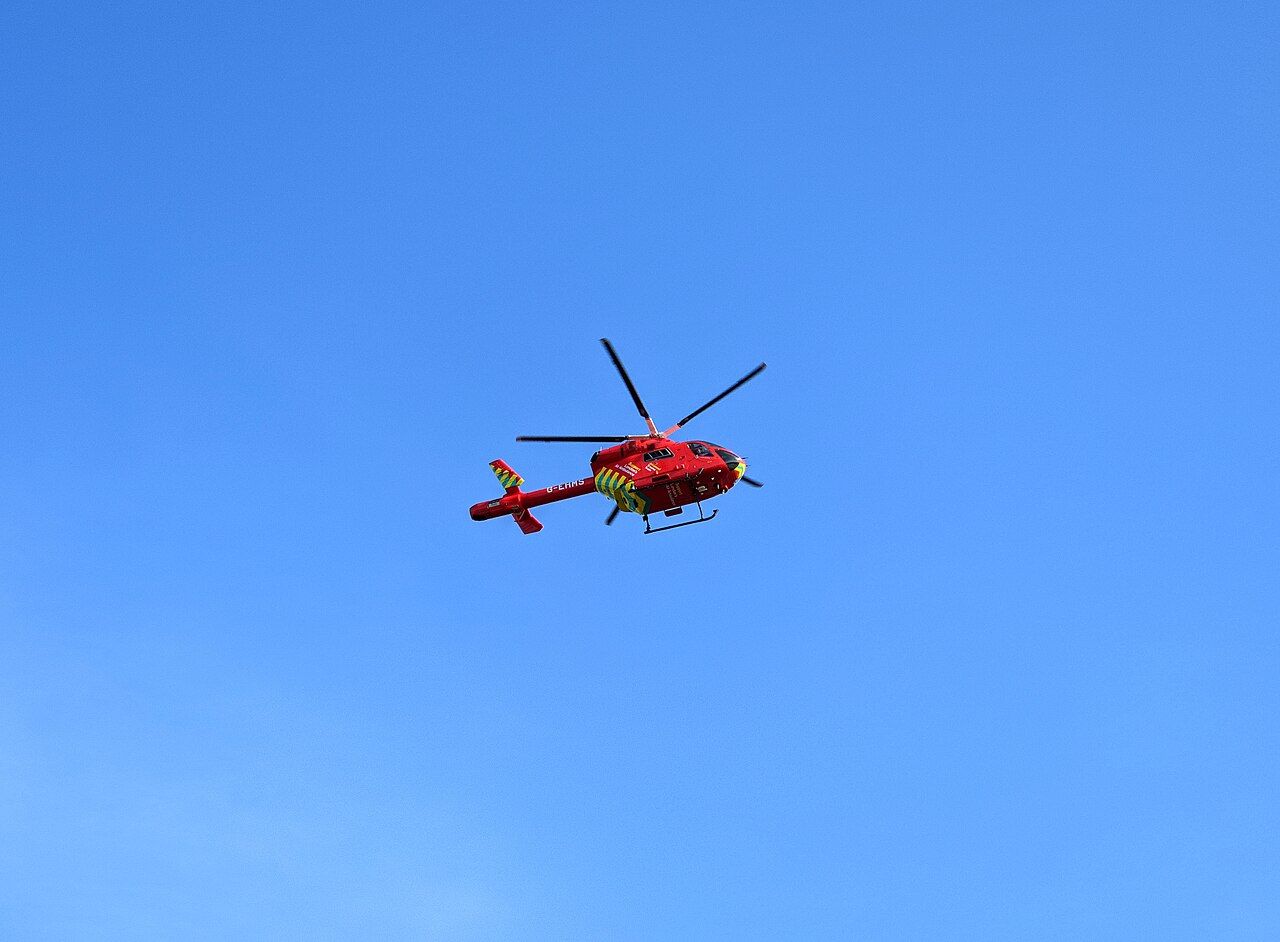
Air ambulances are helicopters and planes fitted as flying intensive care units. They carry critically ill or injured patients over long distances or difficult terrain. They also move patients between hospitals, take organs for transplant and reach remote areas where roads are poor or blocked.
Why speed matters
WHO says more than half of deaths and a third of disability in low- and middle-income countries could be addressed by effective emergency care [1]. Injuries killed 4.4 million people in 2019 [1]. For severe trauma, heart attacks, strokes and pregnancy emergencies, getting to the right hospital quickly is critical.
Road crashes
About 1.16 million people die each year in road crashes, and 20–50 million more are injured [2]. Road injuries are the leading cause of death for children and young adults aged 5–29 [2]. Many crashes happen on highways far from trauma centres, where air transport can save time.
Life support in the air
- Ventilators and oxygen.
- Heart monitors and defibrillators.
- Infusion pumps and emergency drugs.
- Blood products on some services.
- Neonatal incubators for newborn transfers.
- Ultrasound for rapid assessment.
All equipment must be light, secure, battery-powered and certified for use in aircraft. Altitude, vibration and noise make care harder.
Who staffs them
Crews often include critical care paramedics, flight nurses and sometimes doctors. They need extra training in flight physiology, aviation safety and treating patients in tight spaces.
Helicopters vs planes
- Helicopters: fast for distances up to a few hundred kilometres; can land near crash scenes and hospital helipads.
- Fixed-wing planes: for longer distances, between cities or countries; need airports.
Costs and access
Air ambulance missions are expensive. Some services are public, some run by charities, some private and paid by insurance or patients. In many countries, high bills for air transport have caused concern. Clear rules on when flights are needed, and who pays, protect patients.
Safety
Flying in bad weather or at night carries risk. Strict aviation rules, weather limits, trained pilots and modern navigation make operations safer. Services must balance urgent need against flight safety.
Part of a system
Air ambulances work best as part of an emergency system with good dispatch, ground ambulances and hospitals ready to receive patients. WHO's 2019 World Health Assembly resolution urged countries to build integrated emergency care systems [1].
Key numbers at a glance
- About 1.16 million road deaths a year.
- Injuries killed 4.4 million people in 2019.
- More than half of deaths in poorer countries could be addressed by emergency care.
Go deeper
Want the full picture? Our report covers market size, growth, segments, countries and the key companies. Read the report or get a free sample.
Inter-hospital transfers
Many air ambulance flights move patients from smaller hospitals to specialist centres: for heart surgery, burns, major trauma, newborn intensive care or transplants. Fast, safe transfers let regional hospitals stabilise patients and then pass them on. This makes specialist care available to people far from big cities.
Newborn and child transport
Sick and premature babies sometimes need transfer to neonatal intensive care units. Specialist teams fly with portable incubators, ventilators and monitoring. These flights require extra training and equipment designed for very small patients.
Disasters and remote areas
After earthquakes, floods and other disasters, roads may be blocked. Helicopters can reach people quickly and move the injured to working hospitals. In mountain, island and desert regions, air ambulances may be the only fast way to reach care at all.
Questions for planners
- Where are the gaps in fast access to trauma and stroke care?
- Which missions should use air transport, and which ground?
- How are services funded, and what do patients pay?
Medical care on board
Crews start treatment as soon as they reach the patient: securing the airway, giving oxygen, controlling bleeding, giving fluids or blood and managing pain. Teams may also contact the receiving hospital so specialists are ready. For stroke and heart attack, this pre-alert can cut treatment delays.
In short
Air ambulances bring intensive care to remote places and speed transfers between hospitals. They save the most lives when used for the right patients, as part of a well-run emergency system.
Crew wellbeing
Flight crews work long shifts in demanding conditions.
What this means
Air ambulances extend critical care to places roads cannot reach in time. Their value depends on fitting into a wider emergency system, with clear rules on use, safety and payment.
Where to read more
All figures in this article come from public sources listed below. For more detail, start with WHO's "Emergency care saves lives" pages and the road traffic injuries fact sheet. Each is free to read online. If anything here raises a question about your own health, take this article to your doctor or pharmacist and talk it through together. Buyers, investors and policy makers can also use these sources to check claims in sales materials and compare options on the same public evidence. Where public sources disagree or update their figures, we note the year of each number so readers can see how the picture changes over time. Readers who spot an error or a newer source are welcome to contact our team. Reader questions help us choose which topics to cover in future articles and reports. You can also explore the related market reports, statistics pages and free public health charts linked in the Explore section above, which bring the latest public data on this topic together in one place for easy comparison.
Explore on Acuitas
- Air Ambulance Life Support Solutions market report – size, growth and key players
- Air Ambulance Life Support Solutions statistics – key numbers, trials and research in one place
- Top 10 fastest-growing Medical Devices markets
- Global Airway Management Devices Market Analysis – related market
- Global Alexipharmic Drugs Market Analysis – related market
- Global Ambulance Service Market Analysis – related market
- Road traffic deaths – free chart in the Public Health Dashboard
- Accident (unintentional injury) death rate – free chart in the Public Health Dashboard
- Get a free sample report or talk to our team
Topics: Emergency and acute care · Trauma
Sources
Banner image: London Air Ambulance Helicopter (G-EHMS Rowan) by Celsoazevedo, CC BY 4.0, via Wikimedia Commons.
The data behind this story
Topics: Emergency and acute care · Trauma
Go deeper