The airway is the path air takes from the nose and mouth to the lungs. If it is blocked or a person stops breathing, brain damage can start within minutes. Airway management devices help keep the airway open and support breathing, in operating rooms, intensive care, ambulances and emergency departments.
Why it matters
WHO says the Disease Control Priorities project estimates that more than half of deaths and a third of disability in low- and middle-income countries could be addressed by effective emergency care [1]. Injuries alone killed 4.4 million people in 2019 [1]. Airway care is one of the first steps for injured and very ill patients.
Main devices
- Bag-valve-mask: a hand-squeezed bag that pushes air into the lungs.
- Oral and nasal airways: simple tubes that stop the tongue blocking the throat.
- Supraglottic airways: devices such as laryngeal masks that sit above the voice box.
- Endotracheal tubes: placed through the voice box into the windpipe.
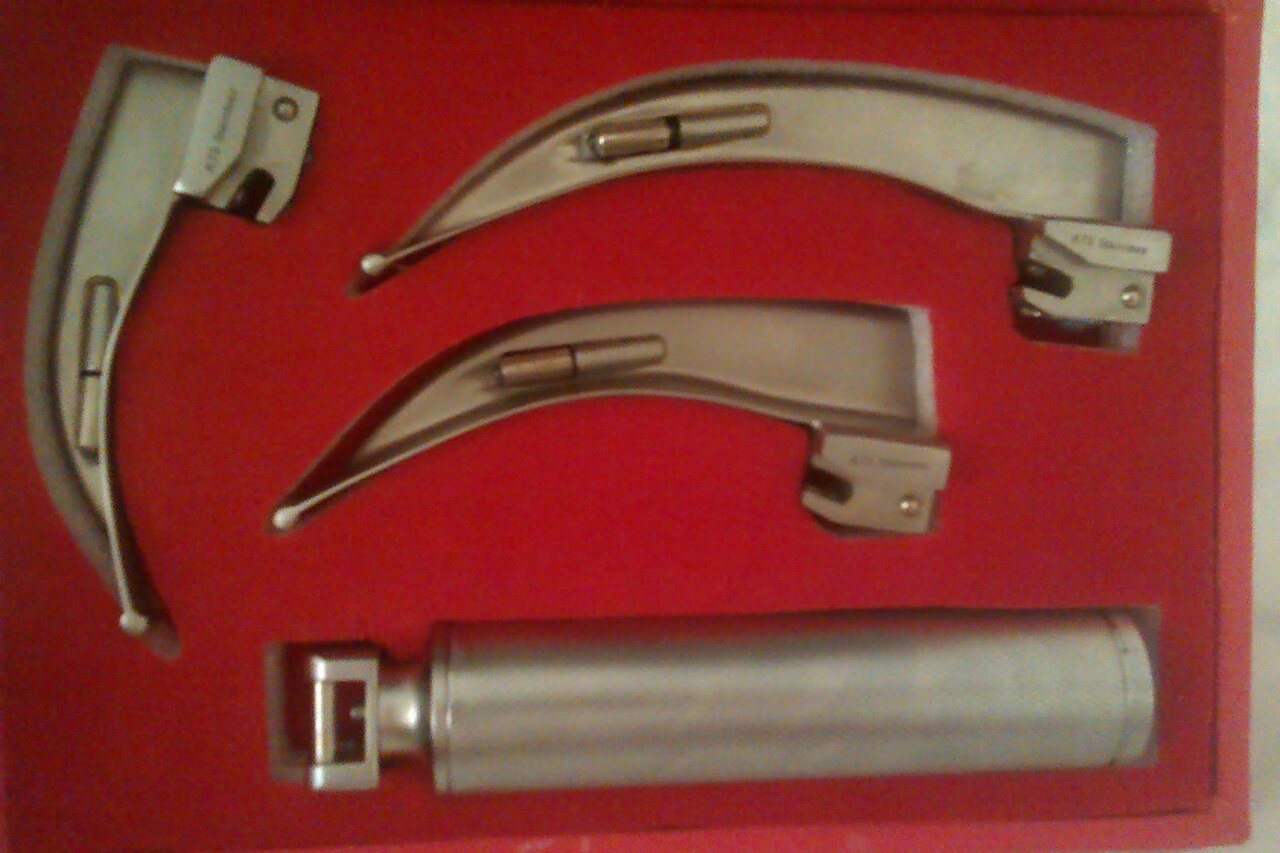
- Laryngoscopes and video laryngoscopes: tools to see the airway while placing a tube.
- Suction devices to clear blood, vomit and secretions.
- Surgical airway kits for rare emergencies when other methods fail.
In the operating room
Most planned airway care happens during anaesthesia for surgery. The WHO Surgical Safety Checklist asks teams to check before anaesthesia whether the patient has a difficult airway or risk of aspiration, and whether equipment and help are ready [2]. In a 2009 study across eight hospitals, the checklist cut deaths from 1.5% to 0.8% and complications from 11% to 7% [2].
In emergencies
Emergency airway care is harder: patients may be injured, vomiting or in a cramped space. Ambulance crews and emergency teams need simple, reliable devices and regular training. Video laryngoscopes have made tube placement easier for many teams.
Oxygen is part of airway care
An open airway helps only if there is oxygen to give. The Lancet Global Health Commission found that more than 5 billion people lack access to safe, affordable medical oxygen [3]. Airway devices and oxygen systems must be planned together.
Single-use vs reusable
Many airway devices are now single-use to reduce infection risk. Others, like laryngoscope handles and some blades, can be cleaned and reused. Hospitals balance infection control, cost and waste when choosing.
Training
- Regular practice on manikins and simulators.
- Clear plans for difficult airways, with backup options.
- Team training so everyone knows their role.
- Checklists to make sure equipment is ready.
Key numbers at a glance
- More than half of deaths in poorer countries could be addressed by emergency care.
- Injuries killed 4.4 million people in 2019.
- Checklist cut surgical deaths from 1.5% to 0.8%.
- More than 5 billion people lack safe oxygen.
Go deeper
Want the full picture? Our report covers market size, growth, segments, countries and the key companies. Read the report or get a free sample.
Children's airways
Children's airways are smaller and shaped differently from adults'. They need specially sized masks, tubes and blades. Emergency kits in ambulances and hospitals should include a full range of sizes, with charts to choose quickly. Teams that rarely treat children benefit from regular practice.
Choking
Choking on food or objects is a common airway emergency, especially for young children and older adults. First aid training teaches back blows and abdominal thrusts. Quick action by bystanders often saves lives before ambulances arrive.
Low-resource settings
Basic tools such as bag-valve-masks, oral airways, suction and oxygen save many lives and cost little. Advanced devices like video laryngoscopes help, but only after the basics are in place and staff are trained. Supply chains must keep disposables in stock.
Questions for hospital teams
- Is our difficult airway trolley checked every day?
- Do all staff know where it is and how to use it?
- Do we practise airway emergencies as a team?
- Are child sizes always available?
In short
Simple airway tools, oxygen, training and checklists save lives every day, from ambulances to operating rooms.
Equipment checks
Daily checks of suction, oxygen, bag-valve-masks and laryngoscopes catch problems before an emergency. Simple checklists on each trolley make these checks quick and reliable for every shift.
What this means
Airway devices are small, but they are among the most important tools in emergency and surgical care. Reliable supplies, oxygen, training and simple safety checks make the difference between life and death.
Where to read more
All figures in this article come from public sources listed below. For more detail, start with WHO's "Emergency care saves lives" pages and the 2009 surgical safety checklist study. Each is free to read online. If anything here raises a question about your own health, take this article to your doctor or pharmacist and talk it through together. Buyers, investors and policy makers can also use these sources to check claims in sales materials and compare options on the same public evidence. Where public sources disagree or update their figures, we note the year of each number so readers can see how the picture changes over time. Readers who spot an error or a newer source are welcome to contact our team. Reader questions help us choose which topics to cover in future articles and reports, so please tell us what you would like to see next. You can also explore the related reports, statistics and free charts linked above.
Explore on Acuitas
- Airway Management Devices market report – size, growth and key players
- Airway Management Devices statistics – key numbers, trials and research in one place
- Top 10 fastest-growing Medical Devices markets
- Global 3D Laparoscopy Imaging Systems Market Analysis – related market
- Global 3D Printing in Medical Application Market Analysis – related market
- Global Advanced Bipolar Direct Energy Devices Market Analysis – related market
- Gallbladder removals – free chart in the Public Health Dashboard
- Inguinal hernia repairs – free chart in the Public Health Dashboard
- Get a free sample report or talk to our team
Topics: Emergency and acute care · Surgery · Respiratory
Sources
- WHO: Emergency care saves lives
- Haynes AB et al. A surgical safety checklist to reduce morbidity and mortality in a global population (NEJM, 2009)
- Graham HR et al. The Lancet Global Health Commission on medical oxygen security (2025)
Banner image: Laryngoscope 02 by Saltanat ebli, CC0, via Wikimedia Commons.
The data behind this story
Topics: Emergency and acute care · Surgery · Respiratory
Go deeper