Anaemia means the blood carries too little oxygen, usually because there is too little haemoglobin. It makes people tired and weak. In pregnancy it raises risks for mother and baby. In children it can hold back growth and learning. Because it builds slowly, it often goes unnoticed.
A global problem
WHO estimates that 40% of children aged 6–59 months, 37% of pregnant women and 30% of women aged 15–49 are affected by anaemia worldwide [1]. Progress has been slow, and in 2023 WHO launched its first framework to speed up action [2].
India: rising, not falling
India's National Family Health Survey shows anaemia went up between the last two rounds. Among children aged 6–59 months it rose from 58.6% (NFHS-4, 2015–16) to 67.1% (NFHS-5, 2019–21) [3][4]. Among women aged 15–49 it reached 57.0%, and higher in rural (58.5%) and scheduled tribe (64.6%) groups [5].
What causes it
- Iron deficiency is the most common cause [1].
- Other nutrient gaps, such as folate and vitamin B12.
- Infections, including malaria and intestinal worms.
- Blood loss, including heavy periods, and inherited blood disorders.
What works
India's Anemia Mukt Bharat programme targets children, adolescents, and pregnant and breastfeeding women. It uses iron–folic acid supplements, deworming, testing and treatment, fortified foods and behaviour change [6]. Success depends on supply, regular testing and people actually taking supplements.
Who is most at risk
WHO names the groups most likely to have anaemia: children under 5, especially under 2; girls and women who menstruate; and pregnant women and new mothers [1]. In 2019, 30% of non-pregnant women (539 million) and 37% of pregnant women (32 million) aged 15–49 had anaemia [1].
The WHO South-East Asia Region, which includes India, has the most women with anaemia: about 244 million [1].
Signs to look for
Common signs are tiredness, dizziness, cold hands and feet, headache and shortness of breath, especially on effort [1]. Severe anaemia can cause pale skin and nails, fast breathing and heart rate, dizziness on standing and easy bruising [1]. Because these signs are vague, many people do not know they have it. A simple blood test for haemoglobin finds it.
More than iron
Iron deficiency is the most common nutritional cause [1]. But WHO lists others: low vitamin A, folate, vitamin B12 and riboflavin; blood loss from parasites, childbirth or heavy periods; infections such as malaria, TB and HIV; chronic diseases; and inherited blood disorders [1]. In many low-income settings, iron deficiency and malaria are the most common causes [1].
This is why iron tablets alone do not always fix anaemia. Deworming, malaria control, treating heavy periods and checking for inherited conditions such as thalassaemia all play a part.
Why it matters for children
In severe cases, anaemia can harm thinking and movement development in children [1]. It can also cause problems for pregnant women and their babies [1]. Fixing anaemia early in life protects learning, growth and later earnings.
Key numbers at a glance
- About half a billion women aged 15–49 have anaemia.
- 269 million children aged 6–59 months have anaemia.
- 37% of pregnant women had anaemia in 2019.
- India (NFHS-5): 57.0% of women 15–49 and 67.1% of children 6–59 months.
Blood loss and anaemia
Heavy periods, the extra blood volume of pregnancy, and blood loss during and after childbirth often lead to anaemia [1]. Bleeding after birth (postpartum haemorrhage) is a major risk. Women who start pregnancy already anaemic are less able to cope with this blood loss. Treating anaemia before and during pregnancy protects mothers.
Infections and chronic disease
Malaria, TB, HIV and parasitic worms can all cause anaemia [1]. Some infections block the use of nutrients. Others, such as hookworm, cause blood loss [1]. HIV causes anaemia in several ways, including through side effects of its treatment [1]. Long-term inflammation from chronic disease can also lower haemoglobin [1].
India's response
India's Anemia Mukt Bharat programme targets children, adolescents, women of reproductive age, and pregnant and breastfeeding women [6]. It combines iron and folic acid supplements, deworming, testing and treatment, and behaviour change messages [6]. WHO's 2023 framework calls for a similar mix: nutrition, infection control, women's health and stronger health systems working together [2].
Testing
Anaemia is diagnosed when haemoglobin falls below set levels for age, sex and pregnancy status [1]. Low-cost point-of-care haemoglobin tests make screening possible in villages and schools. Testing again after treatment shows whether it worked.
Where to read more
All figures in this article come from public sources listed below. For more detail, start with the WHO anaemia fact sheet, WHO's 2023 anaemia framework, and India's National Family Health Survey (NFHS-5) report. Each is free to read online.
Questions to ask your health worker
- What is my haemoglobin level, and what is normal for me?
- What is causing my anaemia?
- How long should I take iron, and when should I be re-tested?
- How do I reduce stomach side effects?
- Should my children be tested too?
Writing these down before a visit helps make the most of a short appointment.
What this means
Anaemia is common, cheap to test for, and often preventable. Gains need both a health system that delivers and products people will take. For public health teams, the priority is reaching rural and tribal groups. For companies, it means better-tolerated supplements and point-of-care tests.
Explore on Acuitas
- Iron Supplement market report – size, growth and key players
- Iron Supplement statistics – key numbers, trials and research in one place
- Top 10 fastest-growing OTC & Nutraceuticals markets
- Global Adaptogens Market Analysis – related market
- Global Amino Acid Market Analysis – related market
- Global Anemia Drugs Market Analysis – related market
- Anaemia in women 15–49 – free chart in the Public Health Dashboard
- Stunting in children under 5 – free chart in the Public Health Dashboard
- Get a free sample report or talk to our team
Topics: Anemia · Nutrition · Women's health
Sources
- WHO fact sheet: Anaemia
- WHO, May 2023: first comprehensive framework on reducing anaemia
- Ministry of Health & Family Welfare. National Family Health Survey (NFHS-5), 2019–21: India report
- Indian Express, Nov 2021: child anaemia rose to 67.1% (NFHS-5) from 58.6% (NFHS-4)
- Lok Sabha answer citing NFHS-5: anaemia in women 15–49 is 57.0% (64.6% scheduled tribe, 58.5% rural)
- Anemia Mukt Bharat programme (Ministry of Health & Family Welfare)
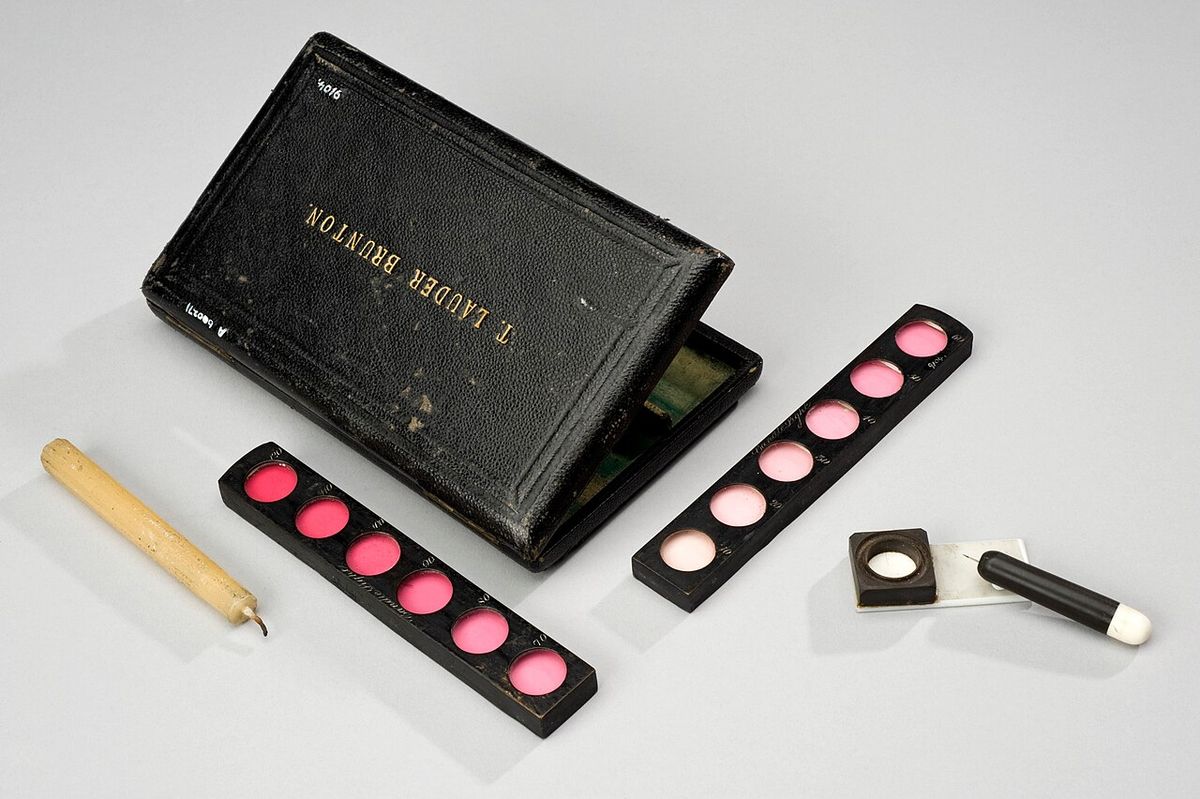
Banner image: Haemoglobinometer (hemoglobinometer), United Kingdom, 1850-1950 by Science Museum, London, CC BY 4.0, via Wikimedia Commons.
The data behind this story
Topics: Anemia · Nutrition · Women's health
Go deeper