The world is getting older. People want not just longer lives, but more healthy years. That has created a large market for products that claim to slow or reverse ageing: supplements, creams, drips and experimental drugs. The science is exciting, but the claims often run far ahead of the evidence.
An ageing world
WHO says that by 2030, 1 in 6 people in the world will be 60 or older. The number aged 60 and over will rise from 1 billion in 2020 to 1.4 billion in 2030 and 2.1 billion by 2050 [1]. People aged 80 and over are expected to triple to 426 million [1].
WHO also notes that the share of life spent in good health has stayed broadly the same, so the extra years are often in poor health [1]. This is the gap "healthy ageing" research aims to close.
What scientists are studying
Researchers have tested many approaches to slow ageing: antioxidants, resveratrol, calorie restriction, NAD+ boosters, senolytics that clear old cells, rapamycin and metformin [2][3]. Some extend life or delay disease in worms, flies or mice.
But a 2022 review found that most of these compounds failed to work reproducibly, had very different effects across species, settings and sexes, and still await proof in human trials [3].
What the evidence says about supplements
A US government booklet on ageing research notes that studies of antioxidant foods and supplements in people have given little support for the idea that they slow ageing [4]. A 2019 review warned that many anti-aging supplements and protocols on the market have no scientific evidence behind their claims [5]. The NCCIH reminds buyers that supplements can interact with medicines and may not contain what the label says [6].
Why proving it is hard
- Ageing is not classed as a disease, so regulators have no standard endpoint to approve a drug against.
- Trials would need to run for many years to show longer or healthier lives.
- Researchers are developing "ageing clocks" and other biomarkers, but these are not yet accepted proof.
- Effects in animals often do not carry over to people.
What does work
WHO says healthy behaviours across life, including a balanced diet, regular physical activity and not using tobacco, reduce disease risk, improve physical and mental capacity and delay the need for care [1]. Supportive homes and communities also help people keep doing what matters to them [1].
- Stay physically active, including strength and balance exercise.
- Eat a healthy, varied diet.
- Do not smoke, and limit alcohol.
- Keep socially and mentally active.
- Treat blood pressure, diabetes, hearing and vision problems.
Spotting hype
- Claims to "reverse" ageing or add decades of life.
- Evidence only from animals or lab dishes.
- Testimonials instead of published trials.
- High prices for unproven drips or injections.
Key numbers at a glance
- 1 in 6 people will be 60+ by 2030.
- 2.1 billion people aged 60+ by 2050.
- 426 million aged 80+ by 2050.
- No drug yet proven to slow human ageing in trials.
Go deeper
Want the full picture? Our report covers market size, growth, segments, countries and the key companies. Read the report or get a free sample.
Common anti-aging claims
- NAD+ boosters: popular supplements; human evidence on ageing is limited [3].
- Resveratrol: found in red wine; early hopes have not been confirmed in people [2].
- Metformin: a diabetes drug being studied for healthy ageing; not approved for this use.
- Rapamycin: extends life in some animals; has side effects in people and is not approved for ageing.
- Senolytics: drugs that clear old cells; still early in human trials.
- "Young blood" infusions: unproven and potentially risky.
Skin "anti-aging"
Much of the anti-aging market is about appearance: creams, serums and procedures for wrinkles. Sun protection is the best-proven way to prevent skin ageing. Some prescription creams, such as retinoids, have evidence for reducing fine lines. Many other products have little proof.
Ageing conditions worth treating
WHO lists common conditions of older age: hearing loss, cataracts, back and neck pain, osteoarthritis, COPD, diabetes, depression and dementia [1]. Treating these well, and preventing falls and frailty, adds more healthy years today than any anti-aging pill.
Questions to ask before buying
- Has this product been tested in people, not just animals?
- Were the results published in a peer-reviewed journal?
- What are the side effects and interactions?
- Is the price justified by the evidence?
In short
Healthy habits still beat any pill sold for ageing.
What this means
Research into the biology of ageing is real and growing, and some drugs are in human trials. But today, no product has proven that it slows ageing in people. Lifestyle and good treatment of chronic disease remain the most reliable way to add healthy years.
Where to read more
All figures in this article come from public sources listed below. For more detail, start with the WHO fact sheet on ageing and health and the NIH Research Matters feature on slowing ageing. Each is free to read online. If anything here raises a question about your own health, take this article to your doctor or pharmacist and talk it through together. Buyers, investors and policy makers can also use these sources to check claims in sales materials and compare options on the same public evidence. Where public sources disagree or update their figures, we note the date of each number so readers can see how the picture changes over time. Readers who spot an error or a newer source are welcome to contact our team, and we will review it.
Explore on Acuitas
- Anti-Aging market report – size, growth and key players
- Anti-Aging statistics – key numbers, trials and research in one place
- Top 10 fastest-growing Pharmaceuticals markets
- Global Adaptogens Market Analysis – related market
- Global Amino Acid Market Analysis – related market
- Global Antioxidants Market Analysis – related market
- People aged 65 and over – free chart in the Public Health Dashboard
- Stunting in children under 5 – free chart in the Public Health Dashboard
- Get a free sample report or talk to our team
Sources
- WHO fact sheet: Ageing and health
- NIH Research Matters: Can we slow aging?
- Drugs, clocks and exercise in ageing: hype and hope, fact and fiction (2022 review)
- US National Institute on Aging: Biology of aging – research today for a healthier tomorrow
- Recent advances in anti-aging medicine (2019 review)
- NCCIH: Using dietary supplements wisely
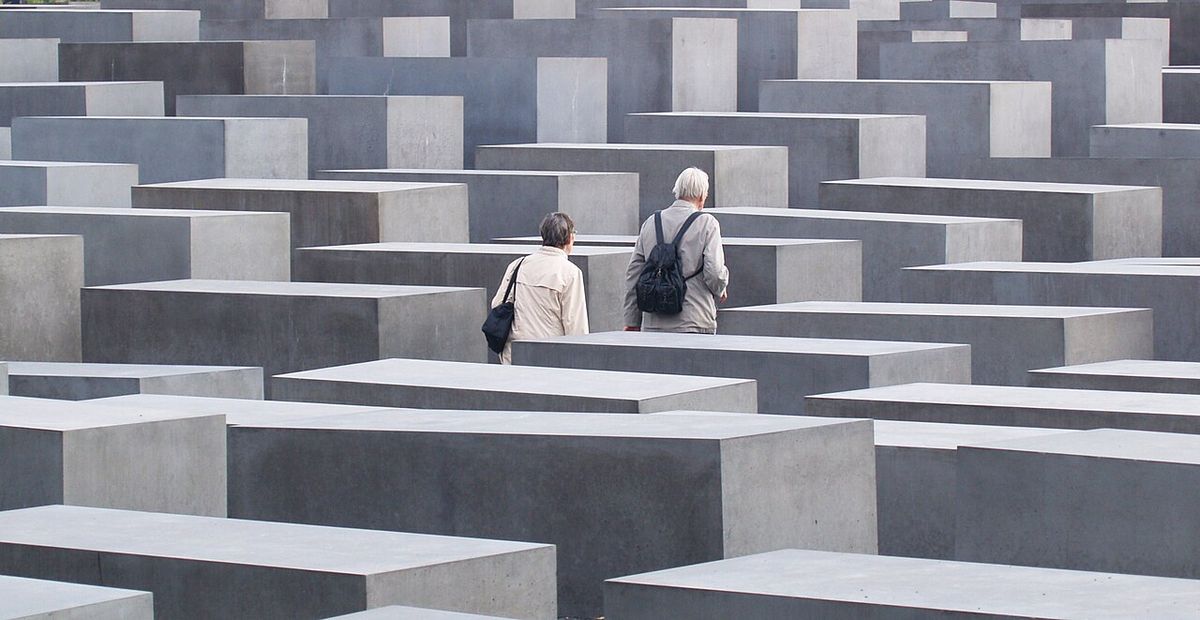
Banner image: An elderly couple walking in the Memorial to the Murdered Jews of Europe, Berlin by User: (WT-shared) Jolove55 at wts wikivoyage, Public domain, via Wikimedia Commons.
The data behind this story
Go deeper