Atopic dermatitis, the most common form of eczema, makes skin dry, red and very itchy. It often starts in early childhood. The itch can disturb sleep, school and work, and scratching can lead to infections. For many years, treatment relied on moisturisers and steroid creams. Newer medicines now give more options for moderate and severe disease.
How common is it?
The Global Atopic Dermatitis Atlas, set up by the International League of Dermatological Societies in 2022, describes atopic dermatitis as the most common chronic skin condition. It affects about 225 million people worldwide, especially children [1]. The Atlas was created because data are missing in many middle- and low-income settings [2].
The allergic link
Atopic dermatitis often occurs with other allergic conditions, such as asthma and hay fever. WHO notes that people with eczema and rhinitis are more likely to have asthma [3]. Asthma affected about 363 million people in 2023 [3]. Doctors call this group of related conditions the "atopic march".
What causes it
- A weak skin barrier that lets water out and irritants in.
- An overactive immune response in the skin.
- Family history of eczema, asthma or allergies.
- Triggers such as soaps, heat, sweat, dust mites and stress.
Treatment steps
- Skin care: regular moisturisers and gentle washing.
- Creams and ointments: steroid creams or non-steroid creams for flares.
- Light therapy for some patients.
- Biologic injections that block specific immune signals.
- JAK inhibitor pills that calm immune pathways.
Biologics and JAK inhibitors have been approved for moderate to severe disease in many countries in recent years. They can greatly reduce itch and clear skin for many people who did not respond to creams. JAK inhibitors carry warnings about certain side effects, so doctors weigh risks and benefits.
Living with eczema
Atopic dermatitis is more than a skin problem. Poor sleep from itching affects the whole family. Children may miss school or feel self-conscious. Adults may lose work time. Support for mental health and sleep is part of good care.
Access gaps
Newer medicines are costly and not available everywhere. In many countries, even basic moisturisers and steroid creams can be hard to afford. The Atlas aims to collect better data to help plan care where it is most needed [2].
Key numbers at a glance
- About 225 million people have atopic dermatitis.
- Asthma: 363 million people (2023).
- Global Atopic Dermatitis Atlas launched: 2022.
Questions for your doctor
- What triggers should I avoid?
- How should I use moisturisers and creams?
- Am I a candidate for a biologic or JAK inhibitor?
- How can we improve sleep during flares?
Go deeper
Want the full picture? Our report covers market size, growth, segments, countries and the key companies. Read the report or get a free sample.
Children and families
Atopic dermatitis most often begins in babies and young children [1]. Itching at night can wake the child and the parents. Families spend time each day on baths, creams and bandages. Clear written plans from the care team, and practical tips like short lukewarm baths and applying moisturiser straight after, make daily care easier.
Infections and skin care
Broken, scratched skin can become infected with bacteria or viruses. Signs include weeping, crusting, pain or sudden worsening. These need prompt medical care. Keeping nails short and skin well moisturised reduces scratching damage.
Food allergy myths
Many parents suspect food causes their child's eczema. In some children, food allergy plays a part, but cutting out foods without testing can harm nutrition. Allergy testing and advice from a specialist should guide any diet change.
Adults with eczema
Some people develop atopic dermatitis as adults, or have it return after childhood. Work exposures to water, chemicals or gloves can make it worse. Workplace adjustments and protective skin care help.
Moisturisers matter most
Regular moisturising is the base of eczema care at every level of severity. Thick creams and ointments without perfume work best for many people. Applying them at least twice a day, and after every bath, helps repair the skin barrier. Many flares can be prevented this way.
Steroid fears
Some parents worry about using steroid creams. Used as directed, for short periods and on the right areas, they are safe and effective for flares. Under-treating eczema out of fear can lead to more itching, infection and poor sleep. Doctors can explain how much to use and for how long.
Sleep and itch
Night-time itch is one of the hardest parts of eczema. Cool bedrooms, cotton clothing, short nails and moisturiser before bed help. Doctors may suggest short-term treatments for bad flares. Better sleep often improves mood, school and work.
What this means
Eczema care has entered a new era, with targeted medicines for severe disease. The challenge is to make good basic care and new treatments available to all who need them, especially children in low- and middle-income countries.
Where to read more
All figures in this article come from public sources listed below. For more detail, start with the Global Atopic Dermatitis Atlas and the WHO asthma fact sheet. Each is free to read online. If anything here raises a question about your own health, take this article to your doctor or pharmacist and talk it through together. Buyers, investors and policy makers can also use these sources to check claims in sales materials and compare options on the same public evidence. Where public sources disagree or update their figures, we note the date of each number so readers can see how the picture changes over time. Readers who spot an error or a newer source are welcome to contact our team, and we will review it.
Explore on Acuitas
- Atopic Dermatitis Drugs market report – size, growth and key players
- Atopic Dermatitis Drugs statistics – key numbers, trials and research in one place
- Top 10 fastest-growing Pharmaceuticals markets
- Global Aesthetic Lasers and Energy Devices Market Analysis – related market
- Global Alopecia areata Market Analysis – related market
- Global Alopecia Drugs (Hair Loss) Market Analysis – related market
- Get a free sample report or talk to our team
Topics: Skin and hair · Immune health
Sources
- The future is now: the Global Atopic Dermatitis Atlas (GADA)
- International League of Dermatological Societies: Global Atopic Dermatitis Atlas
- WHO fact sheet: Asthma
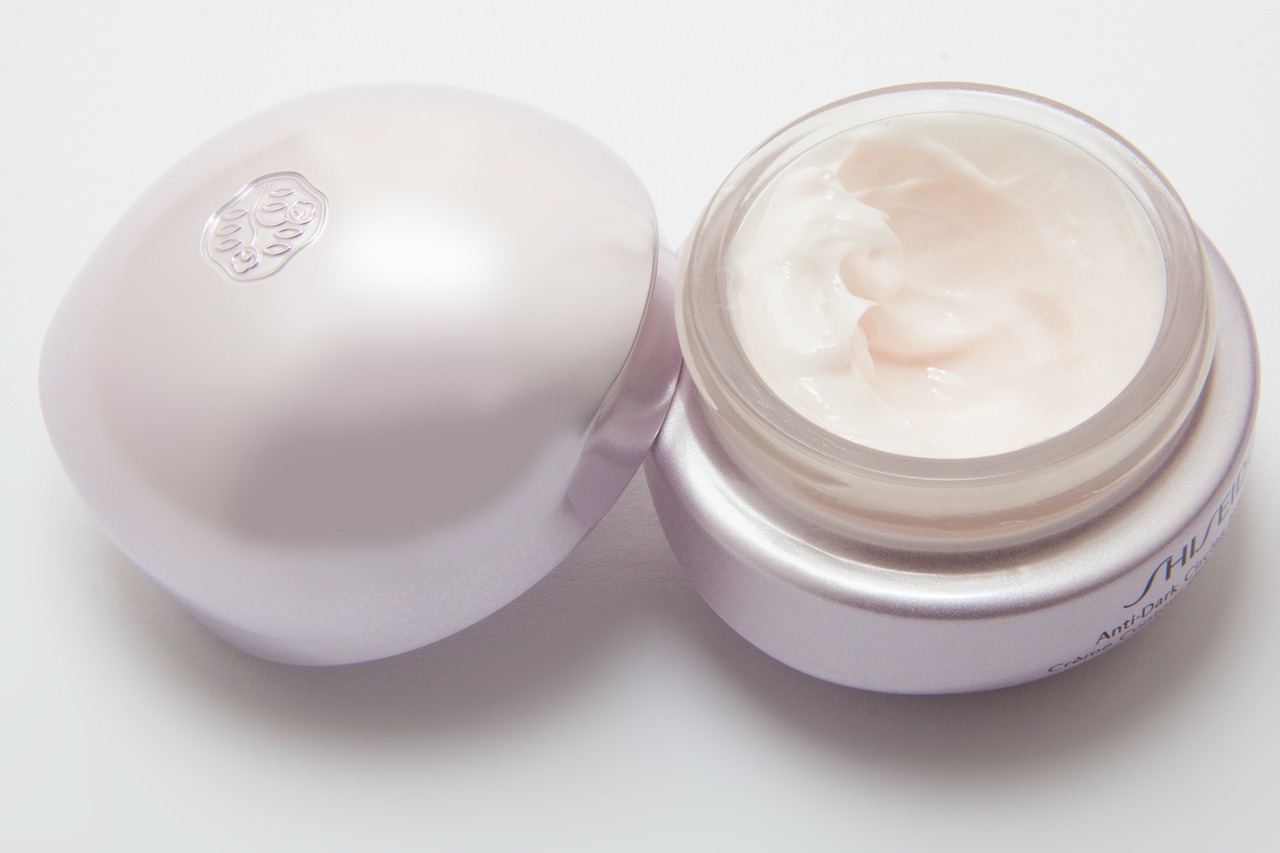
Banner image: Cream in round container by stux, CC0, via Wikimedia Commons.
The data behind this story
Topics: Skin and hair · Immune health
Go deeper