Sales of immune supplements jumped during COVID-19. Vitamin C, vitamin D, zinc, elderberry and echinacea filled shelves. Some of that interest has stayed. But what do these products really do?
The infections people worry about
WHO estimates about a billion cases of seasonal flu each year, including 3–5 million severe cases [1]. Flu causes 290,000 to 650,000 respiratory deaths a year [1].
What the evidence says
- The immune system needs nutrients such as vitamins A, C, D and E, selenium and zinc. A real deficiency weakens immunity [2].
- Vitamin C: for most people it does not prevent colds and only slightly shortens them [3].
- Zinc lozenges may speed recovery if taken at the start of a cold [4].
- For people who are not deficient, extra doses are not shown to "boost" immunity.
What protects people most
WHO says vaccination is the best way to prevent flu, with yearly shots for high-risk groups [1]. Hand washing and staying home when sick also help [1]. Supplements can fill gaps in a poor diet, but they do not replace vaccines.
Who gets very sick with flu
WHO lists the people at greater risk of severe flu [1]:
- Pregnant women.
- Children under 5.
- Older people.
- People with long-term heart, lung, kidney, liver or blood diseases.
- People with weak immune systems, for example from HIV, chemotherapy or steroids.
Health workers are also at higher risk of catching and spreading flu [1]. In rich countries, most flu deaths are in people aged 65 and older [1]. An estimated 99% of deaths in young children with flu-related chest infections are in developing countries [1].
Vaccines are the best protection
Flu vaccines have been used safely for more than 60 years [1]. Because protection fades, a new shot is advised every year [1]. WHO recommends yearly vaccination for pregnant women, children aged 6 months to 5 years, people over 65, people with chronic conditions and health workers [1]. Vaccines may work less well in older people, but they still make illness milder and lower the risk of death [1].
Nutrients that really matter
The NIH Office of Dietary Supplements lists vitamins A, C, D and E, selenium and zinc as important for immune function [2]. A true lack of these weakens immunity and raises infection risk [2]. People most likely to be low include older adults, people with poor diets, and those with gut conditions that block absorption. For them, fixing the deficiency helps.
Other popular products
Products with elderberry, echinacea and probiotics are widely sold. The NIH notes that herbal products and probiotics may affect the immune system [2]. The evidence is mixed and varies by product. Quality and dose differ a lot between brands.
Simple steps that protect everyone
- Wash and dry hands often [1].
- Cover your mouth and nose when coughing or sneezing [1].
- Stay home when you feel unwell [1].
- Avoid close contact with sick people [1].
- Avoid touching your eyes, nose and mouth [1].
People at high risk with severe flu symptoms should be treated with antiviral medicines as soon as possible [1].
How flu spreads
Flu spreads easily in crowded places such as schools and nursing homes [1]. When a sick person coughs or sneezes, droplets carry the virus to people nearby. Hands can also carry it [1]. Symptoms usually start about 2 days after infection [1]. In cooler climates, epidemics peak in winter. In the tropics, flu can occur all year [1].
Epidemics cause many missed days at work and school, and can overwhelm clinics and hospitals [1]. This is one reason employers buy vaccination programmes, not just wellness products.
More on vitamin C and zinc
The NCCIH says that for most people, vitamin C does not prevent colds and only slightly shortens them or makes them milder [3]. It is generally safe, except in high doses [3]. Zinc lozenges may speed recovery if taken for a few days at the start of a cold [4].
Vitamin D
Vitamin D is one of the nutrients the immune system needs [2]. Testing and treating a real deficiency is more useful than taking high doses "just in case".
How WHO tracks flu
WHO's Global Influenza Surveillance and Response System monitors flu viruses around the world [1]. WHO recommends which strains should go into vaccines twice a year, once for each hemisphere's flu season [1]. It also watches for resistance to antiviral drugs [1]. This is why flu vaccines change each year.
What buyers should look for
- Doses close to the recommended daily amount, not mega-doses.
- Clear labels with the amount of each ingredient.
- Independent quality testing.
- No claims to prevent or cure COVID-19, flu or other diseases.
Key numbers at a glance
- About 1 billion flu cases each year.
- 3–5 million severe cases.
- 290,000–650,000 respiratory deaths a year.
- Flu vaccines have been used for more than 60 years.
Vaccines, hygiene and fixing real deficiencies do more for immunity than any "boost" product.
Where to read more
All figures in this article come from public sources listed below. For more detail, start with the WHO seasonal flu fact sheet and the NIH Office of Dietary Supplements page on immune function. Each is free to read online.
What this means
Immune supplements remain a big shelf category. Growth is moving to products that correct real deficiencies, such as vitamin D, and away from broad "immune boost" claims.
Explore on Acuitas
- Immune Health Supplement market report – size, growth and key players
- Immune Health Supplement statistics – key numbers, trials and research in one place
- Top 10 fastest-growing OTC & Nutraceuticals markets
- Global Adaptogens Market Analysis – related market
- Global Alopecia areata Market Analysis – related market
- Global Amino Acid Market Analysis – related market
- Stunting in children under 5 – free chart in the Public Health Dashboard
- Wasting in children under 5 – free chart in the Public Health Dashboard
- Get a free sample report or talk to our team
Topics: Immune health · Nutrition · Influenza
Sources
- WHO fact sheet: Influenza (seasonal)
- NIH Office of Dietary Supplements: Dietary supplements for immune function and infectious diseases
- NCCIH: The common cold and complementary health approaches
- NIH Office of Dietary Supplements: The Scoop, February 2024
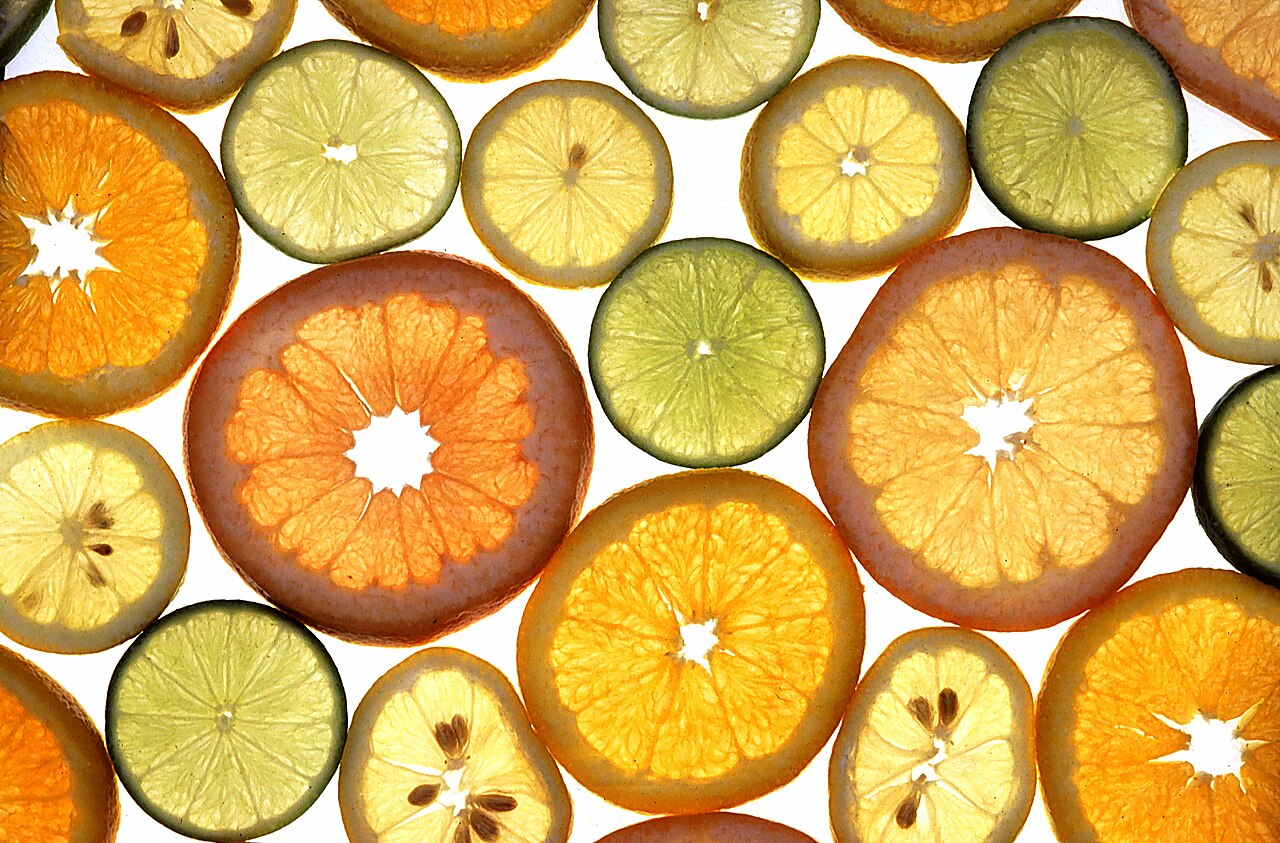
Banner image: Citrus fruits by Scott Bauer, USDA, Public domain, via Wikimedia Commons.
The data behind this story
Topics: Immune health · Nutrition · Influenza
Go deeper