Monoclonal antibodies are lab-made proteins that lock onto one specific target in the body. They are used to treat cancer, autoimmune disease, eye disease, osteoporosis and more. They are among the most expensive medicines in the world. As their patents expire, other makers can produce biosimilars: highly similar versions approved through a shorter path.
Why antibodies matter so much
Cancer alone caused nearly 10 million deaths in 2024 [5]. WHO lists targeted biological therapies among the main systemic treatments for cancer, along with chemotherapy and hormone treatment [5]. Many targeted therapies are monoclonal antibodies, such as trastuzumab for HER2-positive breast cancer and rituximab for some lymphomas. Lower-cost versions can widen access to these treatments.
How many biosimilars exist
The US FDA said in October 2025 that it had approved 76 biosimilars, compared with more than 30,000 generics [1]. Monoclonal antibodies make up a large share of these biosimilars. The FDA's public list shows recent approvals for antibody biosimilars to Lucentis (ranibizumab) for eye disease, Rituxan (rituximab) for blood cancers, Simponi (golimumab) for inflammatory disease, and Prolia and Xgeva (denosumab) for bone [2].
The approval path
All US biosimilars go through an abbreviated pathway based on comparison with the original, called the reference product [3]. Makers must show that their antibody has the same structure and action, and no clinically meaningful differences in safety, purity or potency [3]. The FDA announced steps in October 2025 to make biosimilar development faster and less costly [1].
Why antibody biosimilars are hard to make
- Antibodies are large proteins made by living cells, so small process changes can alter them.
- Sugar chains attached to the protein can affect how it works and how long it lasts.
- Makers need advanced labs to compare hundreds of quality features.
- Manufacturing plants and quality systems are costly.
These hurdles mean fewer companies compete than for generic pills, so prices fall less sharply.
Interchangeable status
In November 2025, the FDA approved Poherdy as the first biosimilar to Perjeta (pertuzumab), a breast cancer antibody, and named it interchangeable [4]. Interchangeable products may be swapped at the pharmacy without a new prescription, where state law allows. This can speed uptake.
Key areas for the next wave
- Cancer: trastuzumab, bevacizumab, rituximab, pertuzumab.
- Immunology: adalimumab, infliximab, golimumab, ustekinumab.
- Eye: ranibizumab and aflibercept for macular degeneration.
- Bone: denosumab for osteoporosis and bone metastases.
- Future: checkpoint inhibitors used in immunotherapy, as patents expire.
Impact on patients
Lower prices can mean more patients get treated, earlier, and for as long as they need. For health systems, savings can fund new therapies. In countries where originals are unaffordable, biosimilars may be the only realistic option.
Key numbers at a glance
- 76 FDA-approved biosimilars (Oct 2025).
- More than 30,000 approved generics.
- First interchangeable biosimilar to Perjeta: November 2025.
- Cancer deaths: nearly 10 million in 2024.
Questions for prescribers and buyers
- Is a biosimilar available for this antibody?
- Is it approved for all the same uses?
- Does it use the same device or dose schedule?
- How will switching be explained and monitored?
Go deeper
Want the full picture? Our report covers market size, growth, segments, countries and the key companies. Read the report or get a free sample.
Eye disease biosimilars
Ranibizumab and aflibercept are injected into the eye to treat wet age-related macular degeneration and diabetic eye disease. WHO estimates that at least 2.2 billion people have a vision impairment, with 8 million affected by age-related macular degeneration and 3.9 million by diabetic retinopathy among cases that were preventable or not yet treated [6]. The FDA's list includes several ranibizumab biosimilars, with more approved in 2026 [2]. Lower prices could let more patients keep up regular injections, which are needed to protect sight.
Bone health biosimilars
Denosumab is used to prevent fractures in osteoporosis and to protect bone in cancer that has spread. WHO says about 440 million people live with the effects of fractures [7]. The FDA's list shows denosumab biosimilars to Prolia and Xgeva approved in 2025 and 2026 [2].
Building trust
Doctors and patients sometimes worry that a biosimilar will not work as well. Clear information on how biosimilars are tested, real-world data after switching, and support from pharmacists all help build confidence. The FDA publishes education materials for patients and health workers on biosimilars [3].
Global supply
Antibody biosimilars are made in the US, Europe, India, South Korea and China, among others. More makers can mean more competition and steadier supply. Regulators share information and align standards to help quality products reach more countries.
In short
More antibody biosimilars mean more choice and lower prices for patients.
What this means
Antibody biosimilars are the biggest opportunity to lower spending on biologic medicines. Their spread depends on fast approvals, reliable supply, fair contracts and confidence among doctors and patients.
Where to read more
All figures in this article come from public sources listed below. For more detail, start with the FDA biosimilar product list and the WHO cancer fact sheet. Each is free to read online. If anything here raises a question about your own health, take this article to your doctor or pharmacist and talk it through together. Buyers, investors and policy makers can also use these sources to check claims in sales materials and compare options on the same public evidence.
Explore on Acuitas
- Biosimilar Monoclonal Antibodies market report – size, growth and key players
- Biosimilar Monoclonal Antibodies statistics – key numbers, trials and research in one place
- Top 10 fastest-growing Pharmaceuticals markets
- Global Apheresis Equipments Market Analysis – related market
- Global Autologous Matrix-induced Chondrogenesis Market Analysis – related market
- Global Biological Safety Testing Market Analysis – related market
- Early deaths from long-term diseases (WHO) – free chart in the Public Health Dashboard
- Clinical trials: Cancer – free chart in the Public Health Dashboard
- Get a free sample report or talk to our team
Topics: Biologics and biosimilars · Oncology
Sources
- US FDA (Oct 2025): FDA moves to accelerate biosimilar development and lower drug costs
- US FDA: Biosimilar product information
- US FDA: Biosimilars info sheet – the biosimilar regulatory approval pathway
- US FDA (Nov 2025): FDA approves new interchangeable biosimilar to Perjeta
- WHO fact sheet: Cancer
- WHO fact sheet: Blindness and vision impairment
- WHO fact sheet: Musculoskeletal health
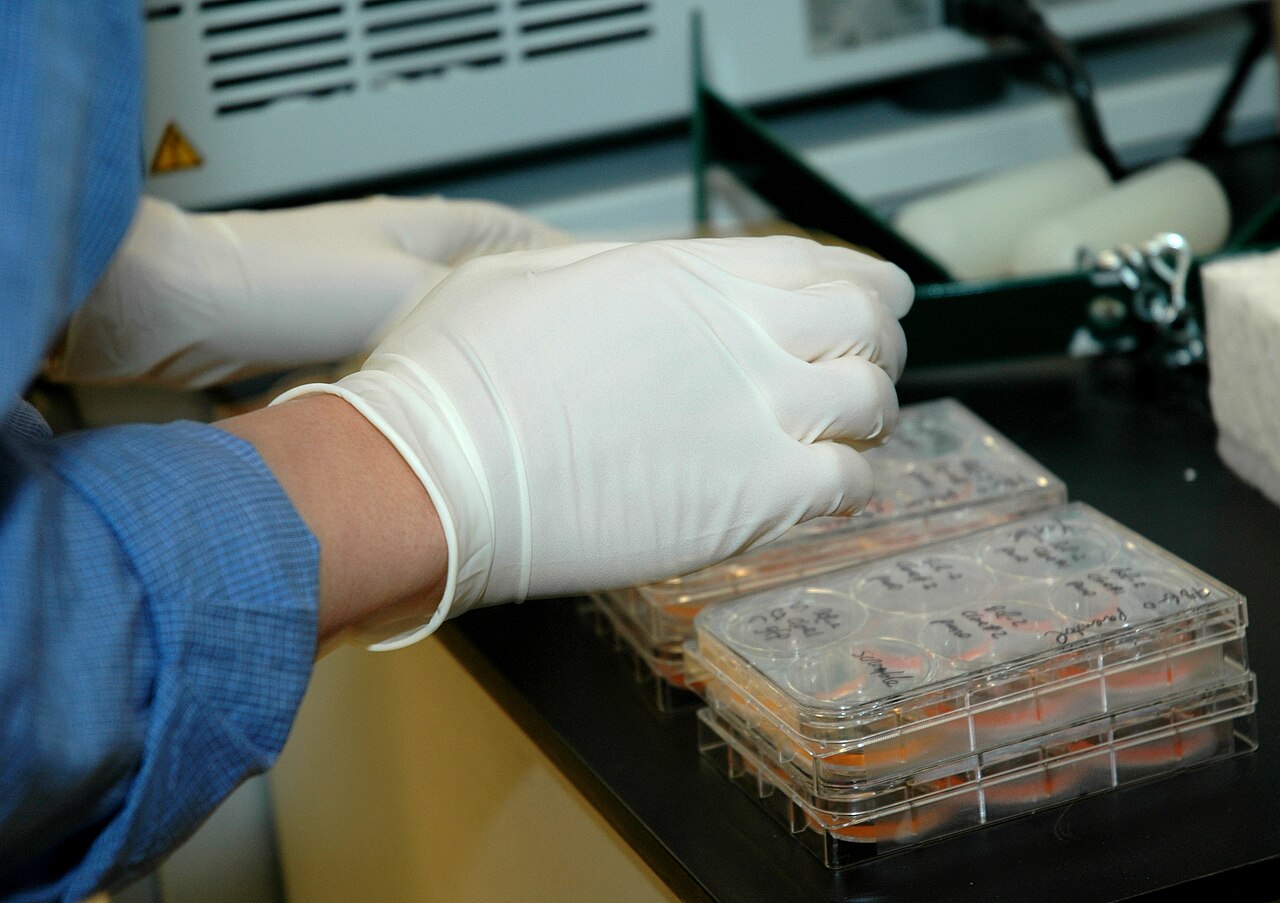
Banner image: Well cell culture plates by Diane A. Reid (Photographer), Public domain, via Wikimedia Commons.
The data behind this story
Topics: Biologics and biosimilars · Oncology
Go deeper