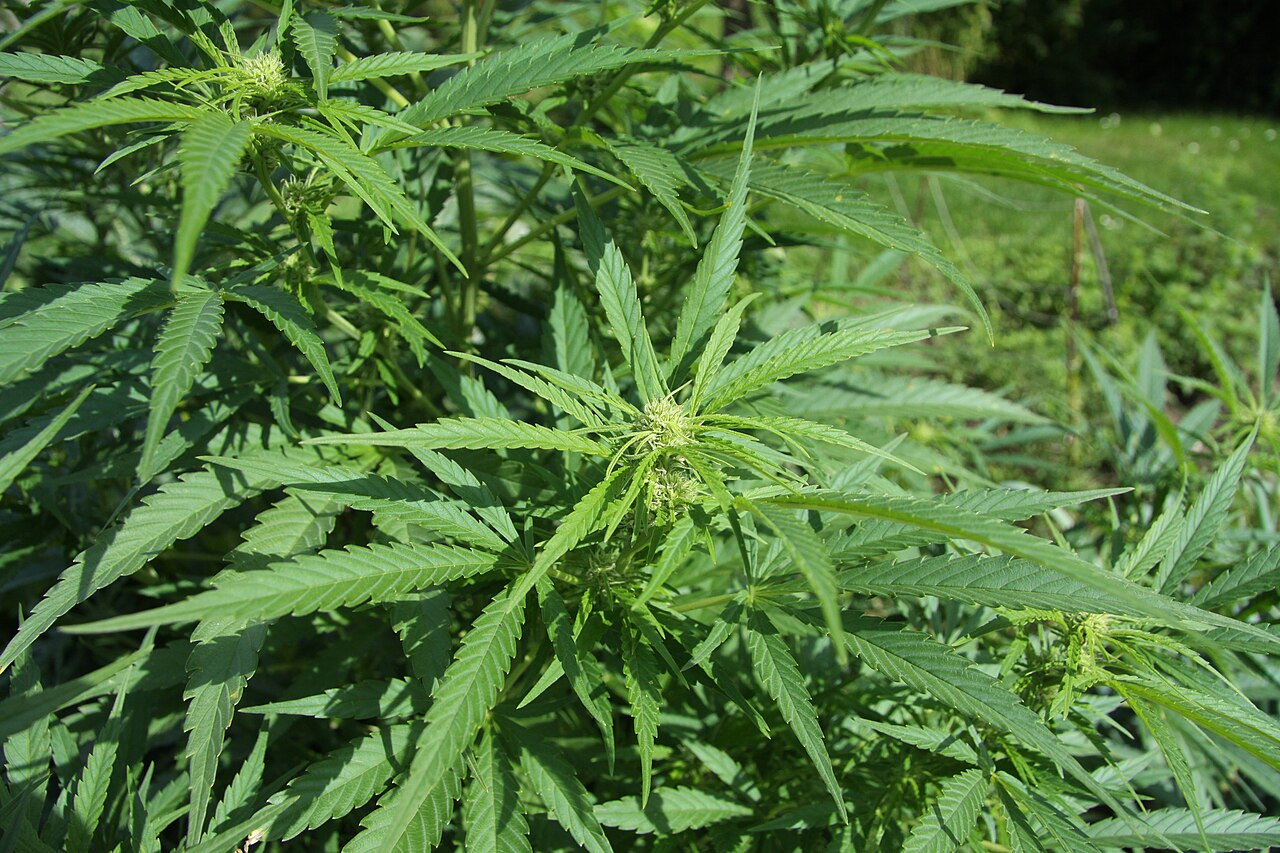
Cannabis contains many active compounds, called cannabinoids. The two best known are THC, which causes the "high", and CBD, which does not. Interest in cannabis for medical use has grown fast, along with changing laws. But the gap between what is sold and what is proven is wide.
What the FDA has approved
The FDA has approved Epidiolex, a purified form of CBD, to treat seizures linked to Lennox-Gastaut syndrome or Dravet syndrome, and to tuberous sclerosis complex, in patients 1 year and older [1]. Epidiolex was first approved on 25 June 2018 [2]. It was the first FDA-approved drug with a purified substance from the cannabis plant [3].
The FDA has also approved Marinol and Syndros, which contain dronabinol, a synthetic form of THC. They are used, for example, to treat appetite loss linked to weight loss in people with AIDS [1]. A third drug, Cesamet, contains nabilone, which acts like THC [1].
Rare epilepsies
Epilepsy affects around 50 million people worldwide [4]. Up to 70% could become seizure-free with the right antiseizure medicines [4]. But some severe childhood epilepsies, such as Dravet and Lennox-Gastaut syndromes, are hard to treat. For these, purified CBD has shown benefit in trials and became an approved option.
What about shop CBD products?
Many CBD oils, gummies and creams are sold in shops and online. The FDA has not approved these products, and their quality, dose and safety are often unknown [1]. Some contain more or less CBD than the label says, or contain THC. The NCCIH warns that supplements and similar products can interact with medicines and may not contain what labels claim [5].
Uses being studied
- Chronic pain: mixed results; some benefit for nerve pain in some studies.
- Multiple sclerosis spasticity: approved in some countries, not the US.
- Nausea from chemotherapy: synthetic THC drugs are used.
- Anxiety and sleep: early and limited evidence.
- Substance use disorders: under research.
Safety concerns
- CBD can interact with other medicines, including some antiseizure drugs and blood thinners.
- Liver effects have been seen with high doses of CBD in trials.
- THC can impair driving, memory and coordination.
- The FDA advises against cannabis use in pregnancy and breastfeeding [1].
- Young people may be more vulnerable to THC's effects on the brain.
Regulation
In the US, after FDA approval, the DEA placed Epidiolex in Schedule V, the lowest level of control [3]. Other cannabis products face a patchwork of state and national rules. Many countries now allow medical cannabis by prescription, under different systems. These rules affect what doctors can prescribe and what patients can buy.
Key numbers at a glance
- FDA-approved cannabis-derived drug: Epidiolex (2018).
- FDA-approved synthetic cannabinoid drugs: Marinol, Syndros, Cesamet.
- Epilepsy affects about 50 million people.
Questions for your doctor
- Is there an approved cannabis-based medicine for my condition?
- Could CBD interact with my current medicines?
- What dose and product would be safe?
- How will we check if it is working?
Go deeper
Want the full picture? Our report covers market size, growth, segments, countries and the key companies. Read the report or get a free sample.
Why approval matters
An FDA-approved medicine has been tested in controlled trials for a specific use. Its dose, purity and side effects are known, and every batch must meet quality standards [1]. Products sold without approval have not gone through this process. The FDA says it has concluded that Epidiolex is safe and effective for its approved uses [1]. It cannot say the same for unapproved CBD products.
Cannabis and young people
The brain keeps developing into the mid-20s. Regular THC use in teenagers is linked to problems with memory, attention and mental health. Edible products can look like sweets and cause accidental poisoning in children. Safe storage, clear labels and child-resistant packaging help prevent harm.
Driving and work
THC can slow reaction times and impair judgement. People using THC-containing medicines should not drive or operate machinery until they know how it affects them. Workplace drug tests may detect cannabis use, even when it is legal or prescribed.
Where research is heading
- Better-designed trials for pain, sleep and anxiety.
- Studies of specific cannabinoids beyond THC and CBD.
- Long-term safety data for regular medical use.
- Standard doses and products for research.
In short
Approved cannabis medicines help some patients with specific conditions. Most other products have not been proven safe or effective.
Bottom line
Use approved products where they exist.
What this means
Cannabis-based medicines have a proven place for some rare epilepsies and specific symptoms. Many other uses are still being studied. Patients are safest with approved products, prescribed and monitored by a doctor, rather than shop products with uncertain contents.
Where to read more
All figures in this article come from public sources listed below. For more detail, start with the FDA's cannabis and CBD questions and answers, and the WHO epilepsy fact sheet. Each is free to read online. If anything here raises a question about your own health, take this article to your doctor or pharmacist and talk it through together. Buyers, investors and policy makers can also use these sources to check claims in sales materials and compare options on the same public evidence. Where public sources disagree or update their figures, we note the year of each number so readers can see how the picture changes over time. Readers who spot an error or a newer source are welcome to contact our team.
Explore on Acuitas
- Cannabis market report – size, growth and key players
- Cannabis statistics – key numbers, trials and research in one place
- Top 10 fastest-growing Pharmaceuticals markets
- Global Abuse Deterrent Opioids Market Analysis – related market
- Global Alzheimer Drugs Market Analysis – related market
- Global Alzheimers Dignostic Market Analysis – related market
- Get a free sample report or talk to our team
Topics: Cannabis and CBD · Brain and nerves · Pain
Sources
- US FDA: FDA regulation of cannabis and cannabis-derived products, including CBD
- Epidiolex (cannabidiol) primer: frequently asked questions for patients and caregivers
- US DEA (Sep 2018): FDA-approved drug Epidiolex placed in Schedule V
- WHO fact sheet: Epilepsy
- NCCIH: Using dietary supplements wisely
Banner image: Cannabis sativa plant (4) by Chmee2, CC BY 3.0, via Wikimedia Commons.
The data behind this story
Topics: Cannabis and CBD · Brain and nerves · Pain
Go deeper