Epilepsy is one of the most common brain conditions. It can affect anyone, at any age. The good news is that most people can control their seizures with low-cost medicines. The bad news is that many never receive them.
The burden
Around 50 million people worldwide live with epilepsy, and close to 80% of them live in low- and middle-income countries [1][2]. WHO estimates that up to 70% could live seizure-free if properly diagnosed and treated [1].
The treatment gap
The gap between those who need treatment and those who get it is over 75% in most low-income countries and over 50% in most middle-income countries [3].
Why the gap exists
- Few neurologists and limited EEG and imaging.
- Medicines missing from clinics or too costly.
- Stigma and myths that stop people seeking care.
Treatment options
Older medicines such as phenobarbital are cheap and effective. Newer medicines such as levetiracetam often have fewer side effects and interactions. Researchers argue that wider, fair access to levetiracetam in LMICs would help close the gap [2]. For people whose seizures do not respond to medicines, surgery, devices and special diets can help.
Go deeper
Want the full picture? Our report covers market size, growth, segments, countries and the key companies. Read the report or get a free sample.
More on the numbers
About 5 million people are diagnosed with epilepsy each year [1]. New cases are far more common in low- and middle-income countries.
WHO links the higher rate to malaria, neurocysticercosis (a tapeworm infection of the brain), road injuries, birth injuries and weaker health services [1]. Close to 80% of people with epilepsy live in these countries [1]. The cause is still unknown in about half of all cases [1].
Preventable deaths
People with epilepsy have up to three times the risk of early death [1]. Many of these deaths could be prevented: falls, drowning, burns and long seizures [1]. Good seizure control with medicines is the best protection.
When medicines can stop
Up to 70% of people could become seizure-free with the right medicines [1]. Stopping medicine can be considered after 2 years without seizures, taking health, social and personal factors into account [1]. Surgery may help people whose seizures do not respond to drugs [1].
A quarter of cases can be prevented
- Preventing head injuries from falls, traffic and sport [1].
- Good care around birth [1].
- Lowering fever in children to reduce febrile seizures [1].
- Controlling blood pressure, diabetes and obesity to prevent strokes [1].
- Removing parasites and preventing brain infections [1].
Stigma and rights
WHO says stigma is often harder to overcome than the seizures themselves [1]. In some countries, laws still allow a marriage to be annulled because of epilepsy, or bar people from public places [1]. People may be denied driving licences, jobs or insurance [1].
What works in poorer countries
Most people with epilepsy can be diagnosed and treated in primary care without complex equipment [1]. WHO projects in Ghana, Mozambique, Myanmar and Viet Nam gave 6.5 million more people access to epilepsy treatment [1]. An Indian study found that public funding for first- and second-line medicines is cost-effective [1].
Key numbers at a glance
- About 50 million people live with epilepsy.
- Up to 70% could be seizure-free with treatment.
- About three quarters of people in low-income countries go untreated.
- Generic medicines available in under 50% of public facilities in poorer countries.
- About 25% of cases are preventable.
What a seizure looks like
Seizures depend on where in the brain they start and how far they spread [1]. They can be a brief lapse of attention, muscle jerks, or long, severe convulsions [1]. People may lose awareness, or have changes in movement, vision, hearing, taste or mood [1]. Seizures can happen less than once a year or several times a day [1]. One seizure does not mean epilepsy. Up to 10% of people have one seizure in their life [1].
The cost to families
Epilepsy accounts for more than 0.5% of the global burden of disease [1]. Out-of-pocket costs and lost work can be a heavy burden on households [1]. People with epilepsy also have more injuries, such as fractures and bruises, and higher rates of anxiety and depression [1].
Global action
In 2022, the World Health Assembly adopted the Intersectoral global action plan on epilepsy and other neurological disorders 2022–2031 [1]. WHO, the International League Against Epilepsy and the International Bureau for Epilepsy ran the Global Campaign Against Epilepsy to raise awareness and improve care [1]. WHO's first global report on epilepsy, in 2019, set out the public health response needed [1].
Seizure first aid
- Stay calm and stay with the person.
- Move hard or sharp objects away.
- Put something soft under their head.
- Do not hold them down or put anything in their mouth.
- Once the jerking stops, turn them on their side.
- Call an ambulance if the seizure lasts more than 5 minutes, or if they are injured or do not wake up.
Long seizures are a cause of preventable death [1]. Fast help matters.
Where to read more
All figures in this article come from public sources listed below. For more detail, start with the WHO epilepsy fact sheet and WHO's 2019 global report, Epilepsy: a public health imperative. Each is free to read online.
Questions to ask your health worker
- What type of seizures do I have?
- What should I do if I miss a dose?
- Is it safe to drive, swim or work at heights?
- How will this medicine affect pregnancy?
- When could stopping medicine be considered?
Writing these down before a visit helps make the most of a short appointment.
What this means
Epilepsy is highly treatable. The biggest gains come from diagnosis and a reliable supply of affordable medicines in primary care, not only from new drugs.
Explore on Acuitas
- Epilepsy Drugs market report – size, growth and key players
- Epilepsy Drugs statistics – key numbers, trials and research in one place
- Top 10 fastest-growing Pharmaceuticals markets
- Global Alzheimer Drugs Market Analysis – related market
- Global Alzheimers Dignostic Market Analysis – related market
- Global Anti-Nerve Growth Factor Market Analysis – related market
- Get a free sample report or talk to our team
Topics: Brain and nerves
Sources
- WHO fact sheet: Epilepsy
- The Lancet Neurology, 2024: Equitable access to levetiracetam for people with epilepsy
- WHO, Dec 2022: new WHO brief sets out actions needed to improve lives of people with epilepsy
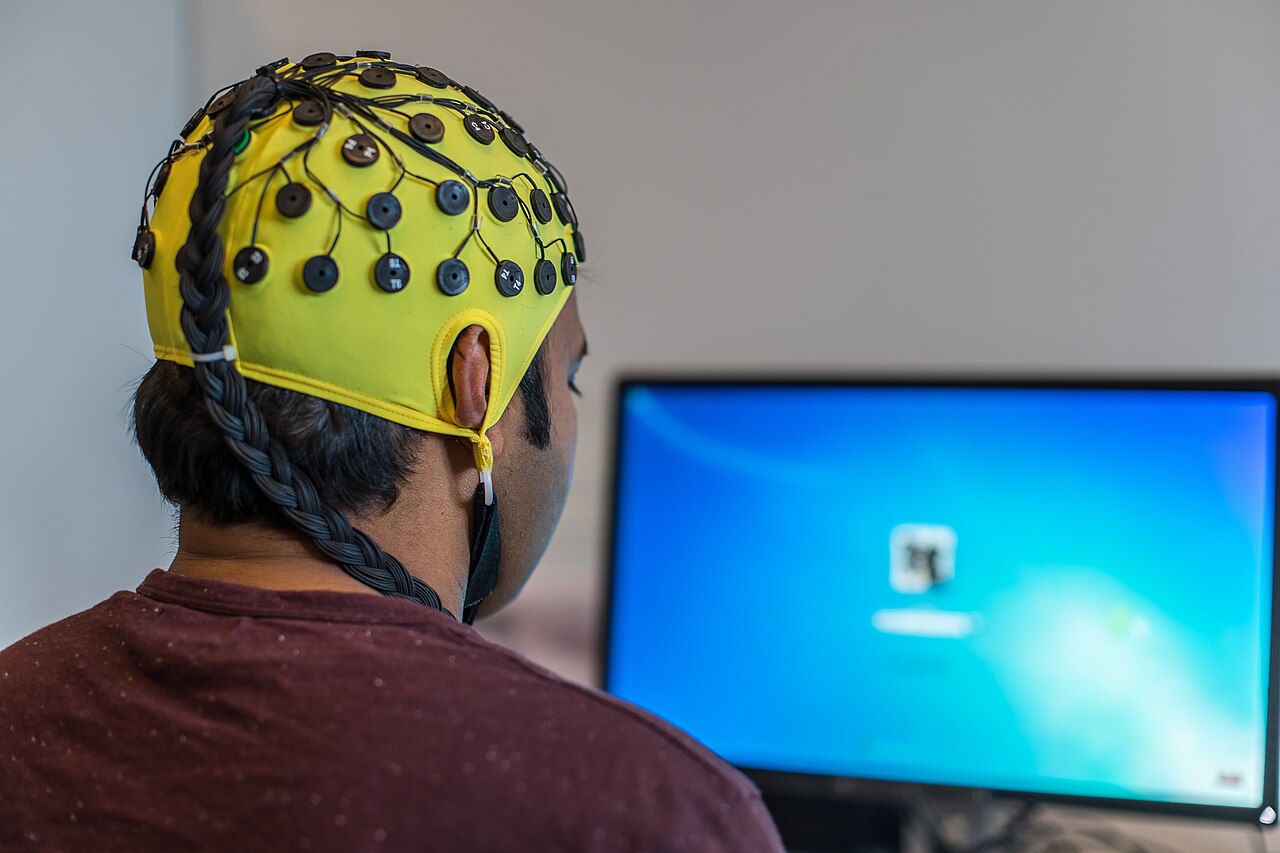
Banner image: EEG to measure brain current by ulrichw, CC0, via Wikimedia Commons.
The data behind this story
Topics: Brain and nerves
Go deeper