Living with diabetes means checking and managing blood sugar every day. For decades that meant finger-prick tests and injections. Today, sensors and connected devices can do much of the work, and show patterns a single test cannot.
A growing need
The International Diabetes Federation estimates that 589 million adults aged 20–79 were living with diabetes in 2024, about 1 in 9. That is projected to reach 853 million by 2050 [1][2]. More than 4 in 10 do not know they have it [1].
The devices
- Blood glucose meters: low-cost and widely used.
- Continuous glucose monitors (CGMs): a small sensor reads glucose every few minutes and sends it to a phone.
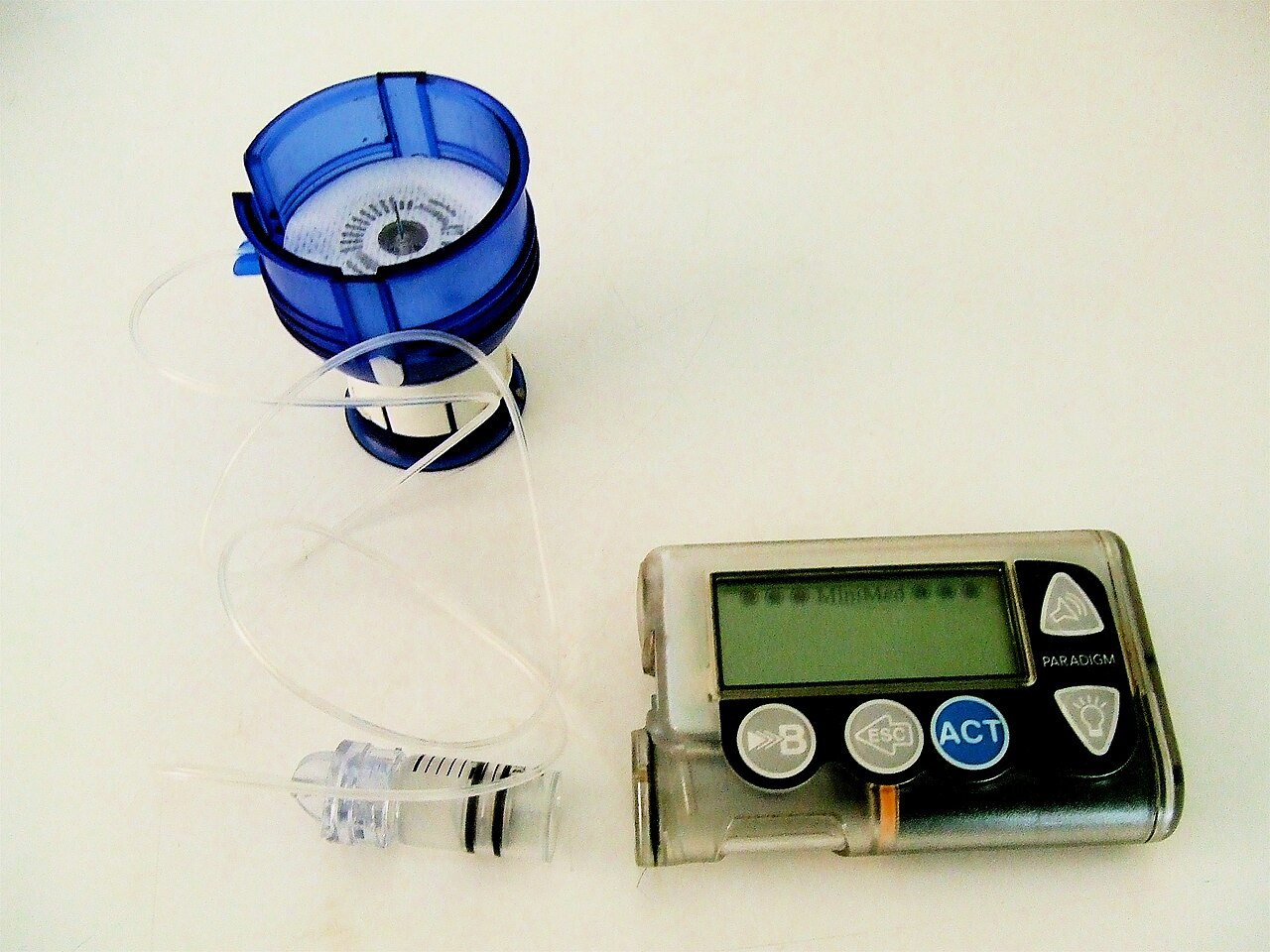
- Insulin pumps: deliver insulin all day through a small tube or patch.
- Automated insulin delivery: pumps that adjust insulin using CGM readings.
Benefits
CGMs show trends and warn of highs and lows, which helps people adjust food, activity and insulin. For people on insulin, automated systems can reduce the daily burden of decisions.
Access and cost
Sensors and pumps are costly, and insurance coverage varies widely. In many low- and middle-income countries, even test strips are an out-of-pocket expense. Wider access depends on price and coverage.
Go deeper
Want the full picture? Our report covers market size, growth, segments, countries and the key companies. Read the report or get a free sample.
The treatment gap behind the devices
WHO reports that people with diabetes rose from 200 million in 1990 to 830 million in 2022 [3]. In 2022, 59% of adults aged 30 and over with diabetes were not taking diabetes medicine [3]. Coverage was lowest in low- and middle-income countries [3]. Devices help people who are already in care. Getting people into care is the first step.
Why monitoring matters
High blood sugar slowly damages the heart, eyes, kidneys and nerves. It can lead to blindness, kidney failure, heart attack, stroke and amputation [3]. In 2023, diabetes and diabetic kidney disease caused about 2.4 million deaths [3]. Keeping blood sugar in range lowers these risks. Glucose meters, continuous glucose monitors (CGMs) and connected pens give people the data to do that.
Insulin users first
People with type 1 diabetes need insulin every day to survive [3]. About 9.5 million people had type 1 diabetes in 2025 [3]. They gain the most from CGMs and pumps, which help avoid dangerous lows and highs. Many people with type 2 diabetes also use insulin. WHO found that one in two people with type 2 diabetes who need insulin do not get it [4].
Screening devices matter too
Not all diabetes devices are worn by patients. WHO lists foot checks, kidney screening and eye exams as core diabetes care [3]. Retinal cameras can check eyes in primary care. Simple tools to test feeling in the feet can prevent ulcers and amputations.
Data and privacy
Connected devices send readings to phones, clinics and cloud platforms. This helps doctors adjust treatment between visits. It also means health data must be stored safely and shared only with consent.
Key numbers at a glance
- 589 million adults aged 20–79 had diabetes in 2024 (IDF).
- 830 million people of all adult ages in 2022 (WHO).
- 59% of adults 30+ with diabetes took no diabetes medicine.
- 1 in 2 people with type 2 diabetes who need insulin do not get it.
Finding diabetes early
WHO says early diagnosis can be done with low-cost blood sugar tests [5]. Type 2 diabetes can have mild symptoms for years, so it is often found only after damage has begun [5]. Point-of-care tests in pharmacies, clinics and community camps help find more people. Gestational diabetes in pregnancy is found through prenatal screening [5].
Global targets
In 2021 WHO launched the Global Diabetes Compact, focused on low- and middle-income countries [5]. In 2022 the World Health Assembly agreed five diabetes coverage targets for 2030 [5]. These cover diagnosis and control of blood sugar and blood pressure, statin use, and access to insulin and blood sugar self-monitoring for people with type 1 diabetes. Devices for self-monitoring are part of meeting these goals.
Prevention still comes first
WHO advises at least 150 minutes of moderate exercise each week, a healthy diet with less sugar and saturated fat, a healthy weight and no tobacco to prevent type 2 diabetes [5]. Apps and wearables that track steps, food and weight can support these habits.
Who pays for devices
CGMs and pumps cost much more than finger-prick meters. In many countries they are only covered for people with type 1 diabetes, or not covered at all. Where people pay out of pocket, use drops off when money is tight. Clear public coverage rules decide who can benefit.
Where to read more
All figures in this article come from public sources listed below. For more detail, start with the WHO diabetes fact sheet and the IDF Diabetes Atlas, 11th edition. Each is free to read online.
Questions to ask your health worker
- Would a CGM help me, and is it covered?
- How often should I check my blood sugar?
- Who can see my device data?
- When are my next eye, foot and kidney checks?
- What should I do with high or low readings?
Writing these down before a visit helps make the most of a short appointment.
What this means
Diabetes is growing fastest where devices are least affordable. Lower-cost sensors and tools for people with type 2 diabetes not on insulin are the next big opportunity.
Explore on Acuitas
- Diabetes Care Devices market report – size, growth and key players
- Diabetes Care Devices statistics – key numbers, trials and research in one place
- Top 10 fastest-growing Medical Devices markets
- Global Arrhythmia Monitoring Devices Market Analysis – related market
- Global Artificial Intelligence (AI) in Remote Patient Monitoring Market Analysis – related market
- Global Connected Healthcare Market Analysis – related market
- Diabetes (ages 20–79) – free chart in the Public Health Dashboard
- Diabetes (adults, WHO) – free chart in the Public Health Dashboard
- Get a free sample report or talk to our team
Topics: Diabetes · Remote monitoring and wearables
Sources
- International Diabetes Federation: IDF Diabetes Atlas, 11th edition (2025)
- IDF Diabetes Atlas 11th edition, chapter 3: The global picture of diabetes (NCBI Bookshelf)
- WHO fact sheet: Diabetes
- WHO news (12 Nov 2021): New WHO report maps barriers to insulin availability
- WHO fact sheet: Diabetes
Banner image: Insulin pump and infusion set by User:David-i98 at en.Wikipedia, Public domain, via Wikimedia Commons.
The data behind this story
Topics: Diabetes · Remote monitoring and wearables
Go deeper