Protein powders, bars and shakes have moved from gyms to supermarket shelves. Protein builds and repairs muscle, and many people now aim to eat more. But how much do we really need, and who benefits from a supplement?
How much protein
The recommended amount for adults is 0.8 g per kg of body weight a day. The International Society of Sports Nutrition says 1.4–2.0 g/kg a day is enough for most people who exercise regularly, with about 20–40 g per meal [1].
Who may need more
- People doing regular strength or endurance training [1].
- Older adults, to help keep muscle.
- People recovering from illness or surgery.
- Vegetarians who find it hard to get enough from food.
Food first
Eggs, dairy, lentils, beans, soy, meat and fish all provide protein. A supplement is simply a convenient option when food falls short.
Safety and quality
For healthy people, protein intakes in this range are considered safe [1]. People with kidney disease should get medical advice. Product quality varies, so third-party tested products are a safer choice.
Go deeper
Want the full picture? Our report covers market size, growth, segments, countries and the key companies. Read the report or get a free sample.
Muscle loss with age
WHO lists sarcopenia, the loss of muscle with age, among musculoskeletal conditions [2]. Musculoskeletal conditions affect about 1.71 billion people worldwide [2]. Weaker muscles raise the risk of falls, which caused about 842,000 deaths in 2023, mostly in people aged 60 and over [3]. Strength training and enough protein are the main tools to keep muscle.
Timing and spread
The International Society of Sports Nutrition advises spreading protein across the day, rather than eating most of it at one meal [1]. Doses of about 20–40 g per meal are commonly recommended for active people [1]. For older adults, getting enough protein at each meal may matter more than total daily amount.
Weight loss and muscle
When people lose weight quickly, through diet, surgery or medicines, some of the lost weight is muscle. WHO's obesity care advice includes nutrition counselling as part of long-term treatment [4]. Adequate protein and resistance exercise help protect muscle during weight loss.
Plant and animal protein
Meat, fish, eggs and dairy provide all the essential amino acids. Many plant foods have less of one or more. Mixing plant proteins, such as lentils with rice, fills the gaps. Soy and pea protein powders are popular options for people who avoid dairy.
Watch out for
- Added sugar and calories in some shakes and bars.
- Products sold for bodybuilding with hidden drugs. The NCCIH warns this is a known risk [5].
- Very high intakes in people with kidney disease, unless a doctor agrees.
Key numbers at a glance
- About 1.71 billion people live with musculoskeletal conditions.
- Falls killed about 842,000 people in 2023.
- ISSN suggests 1.4–2.0 g of protein per kg per day for most active people.
Where to read more
All figures in this article come from public sources listed below. For more detail, start with the ISSN position stand on protein and exercise and the WHO fact sheets on musculoskeletal health and falls. Each is free to read online.
Common myths
- Myth: More protein always means more muscle. Fact: Muscle grows with training. Beyond what the body can use, extra protein is burned for energy or stored.
- Myth: You need a shake straight after the gym. Fact: Total daily protein, spread over meals, matters more than exact timing for most people.
- Myth: Plant protein cannot build muscle. Fact: Mixing plant sources gives all the amino acids the body needs.
- Myth: Protein powders are only for athletes. Fact: Older adults, people recovering from illness and people losing weight may also use them.
Reading the label
- Grams of protein per serving, and the serving size.
- Added sugar and total calories.
- The protein source: whey, casein, soy, pea or a blend.
- An independent quality or "tested for banned substances" seal.
- Allergens such as milk, soy and nuts.
A protein supplement should fill a gap in the diet, not replace meals. People with kidney disease should ask a doctor before raising protein intake.
A simple daily pattern
For most people, protein can be met with food. A palm-sized portion of meat, fish, tofu or paneer, a bowl of lentils, eggs, or a glass of milk at each meal adds up quickly. Snacks such as yoghurt, nuts or roasted chickpeas fill gaps. A supplement makes most sense when appetite is low, after illness or surgery, during rapid weight loss, or when diet choices are very limited.
Questions to ask your health worker
- How much protein do I need for my age, weight and activity?
- Is my kidney function normal?
- Would food changes be enough?
- Which type of powder suits my diet?
Children and teenagers
Most children and teenagers get enough protein from regular meals. Growing athletes may eat more, but food is the best source. Protein powders are rarely needed and should only be used with advice from a doctor or dietitian.
What this means
Protein is a lasting trend, driven by fitness, ageing and plant-based diets. Clear labels and testing build trust in a crowded market.
Explore on Acuitas
- Protein Supplement market report – size, growth and key players
- Protein Supplement statistics – key numbers, trials and research in one place
- Top 10 fastest-growing OTC & Nutraceuticals markets
- Global Adaptogens Market Analysis – related market
- Global Amino Acid Market Analysis – related market
- Global Antioxidants Market Analysis – related market
- Stunting in children under 5 – free chart in the Public Health Dashboard
- Wasting in children under 5 – free chart in the Public Health Dashboard
- Get a free sample report or talk to our team
Sources
- Jäger R et al. International Society of Sports Nutrition position stand: protein and exercise. J Int Soc Sports Nutr 2017;14:20
- WHO fact sheet: Musculoskeletal health
- WHO fact sheet: Falls
- WHO fact sheet: Obesity and overweight
- NCCIH: Using dietary supplements wisely
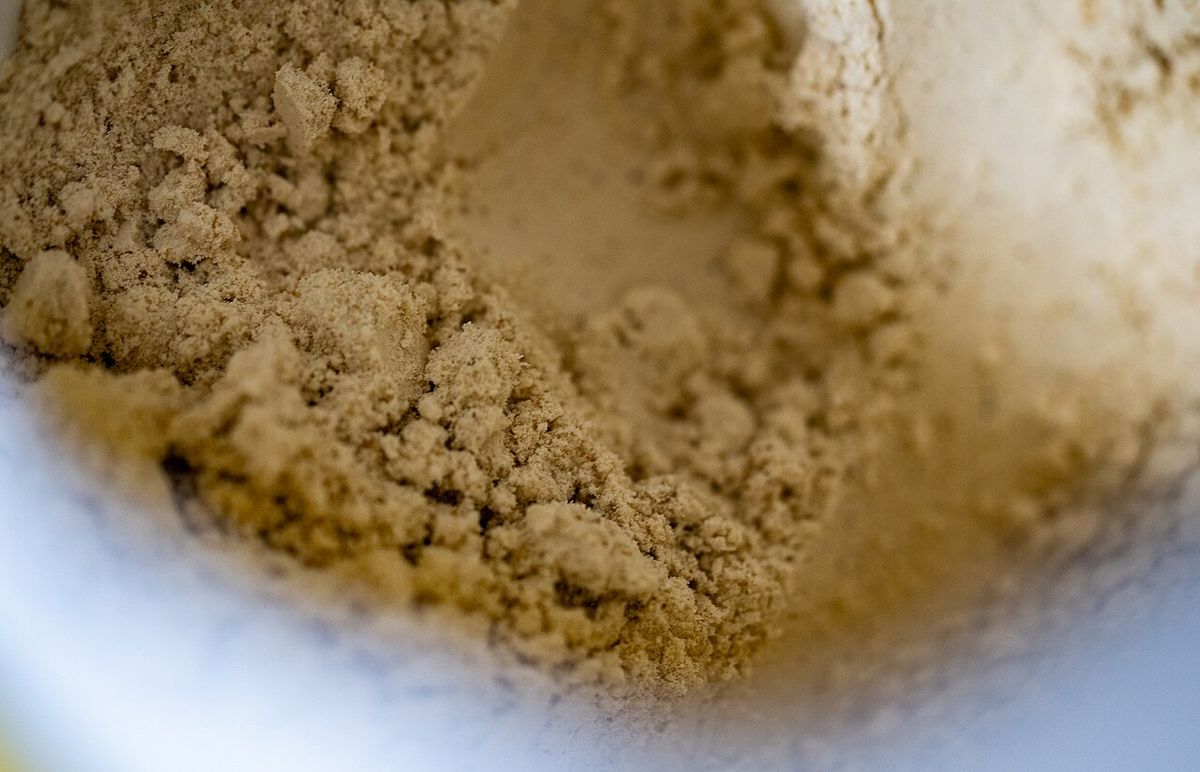
Banner image: Protein Powder Mix (44547187900) by Tony Webster from Minneapolis, Minnesota, United States, CC BY 2.0, via Wikimedia Commons.
The data behind this story
Go deeper