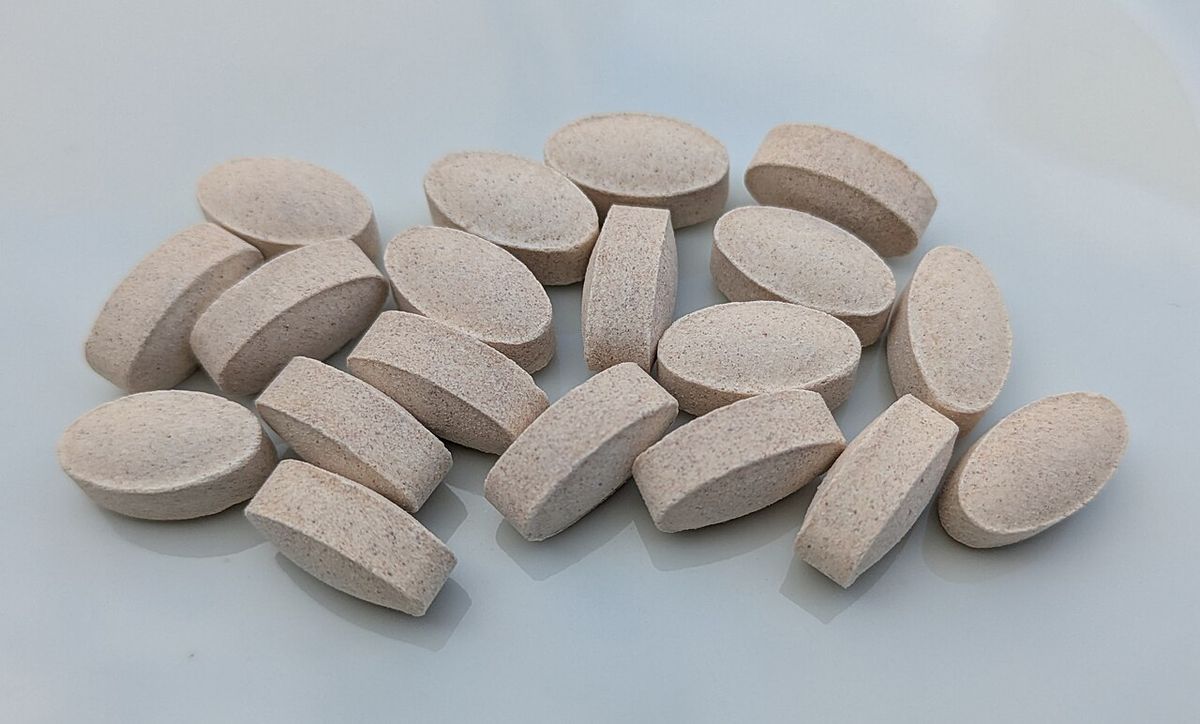
Vitamin B12 keeps nerves and blood cells healthy and helps make DNA. The body needs only a tiny amount, but low levels can cause tiredness, anaemia and nerve problems. Because the signs build slowly, deficiency is often missed.
How much you need
The NIH recommends 2.4 mcg a day for adults, 2.6 mcg in pregnancy and 2.8 mcg while breastfeeding [1].
Who is at risk
- Vegetarians and vegans: B12 is found mainly in meat, fish, eggs and dairy [1]. This matters in India, where many people are vegetarian.
- Older adults, who absorb less B12 from food [1].
- People with gut conditions or past stomach surgery.
- People on long-term metformin or acid-reducing medicines [1].
Signs and treatment
Symptoms include tiredness, weakness, pale skin, tingling in hands and feet, and memory problems. A blood test confirms it. Treatment is supplements by mouth or injections, depending on the cause [1].
Go deeper
Want the full picture? Our report covers market size, growth, segments, countries and the key companies. Read the report or get a free sample.
What B12 does
Vitamin B12 is needed for the brain and nerves, for healthy red blood cells and for making DNA [2]. When it runs low, both blood and nerves are affected.
B12 and anaemia
WHO lists low vitamin B12 among the nutrient deficiencies that can cause anaemia, along with low iron, folate, vitamin A and riboflavin [3]. Anaemia affects about half a billion women aged 15–49 and 269 million young children [3]. Not all anaemia is from iron. Testing for B12 matters when iron does not fix the problem.
B12, memory and dementia
WHO notes that dementia can develop because of nutritional deficiencies [4]. Low B12 can cause memory problems and confusion. Doctors often check B12 when someone has new memory problems, because it is easy to treat.
Plant-based diets
Plant foods have no vitamin B12 unless they are fortified [1]. Vegans need fortified foods or a supplement. Vegetarians who eat dairy and eggs get some B12, but may still run low.
Metformin users
Long-term use of metformin, a common diabetes medicine, is linked to vitamin B12 deficiency [5]. Since millions take metformin, regular B12 checks can catch low levels before nerve damage occurs. This is important because B12 nerve damage can look like diabetic nerve damage [5].
Key numbers at a glance
- B12 deficiency is one cause of anaemia.
- Anaemia affects about half a billion women aged 15–49.
- Plant foods have no B12 unless fortified.
Questions to ask your health worker
- Should my B12 level be tested?
- Do I need tablets or injections?
- Does my metformin or stomach medicine affect B12?
- How soon should I feel better?
Where to read more
All figures in this article come from public sources listed below. For more detail, start with the NIH Office of Dietary Supplements fact sheets on vitamin B12 and the WHO fact sheet on anaemia. Each is free to read online. If anything here raises a question about your own health, take this article to your doctor or pharmacist and talk it through together.
Common myths
- Myth: Only vegans run low on B12. Fact: Older adults, people on metformin and people with some stomach conditions are also at risk [2][5].
- Myth: If you have anaemia, iron will fix it. Fact: Anaemia has many causes. Low B12 is one [3].
- Myth: B12 shots give everyone energy. Fact: They help people who are low. They do not boost energy in people with normal levels.
Reading the label
- The B12 form, such as cyanocobalamin or methylcobalamin.
- The dose in micrograms (mcg).
- Whether it is a tablet, a tablet under the tongue or a spray.
- Fortified foods you already eat, such as cereals or plant milks.
Foods with B12
B12 is found in animal foods: fish, meat, poultry, eggs, milk and milk products [1]. Some breakfast cereals, plant milks and nutritional yeasts are fortified with B12 [1]. People who eat few animal foods should check labels for fortified options.
Testing
A blood test measures B12. If results are borderline, doctors may test other markers that show whether the body has enough B12 for its needs [2]. A full blood count can show the large red blood cells typical of B12 or folate deficiency.
Tablets or injections
Most people with low B12 from diet can take tablets. People who cannot absorb B12 from the gut, for example because of pernicious anaemia or stomach surgery, usually need injections [2]. Treatment often continues for life in these cases. Nerve symptoms can improve with treatment, but long-standing damage may not fully recover, so early checks matter.
Older adults
Older adults are more likely to have low B12, because the stomach makes less acid with age, and acid helps release B12 from food [2]. Long-term use of some heartburn medicines can also lower absorption [2]. B12 in supplements and fortified foods does not need stomach acid to be absorbed, so it is a good option for older people [2]. Many doctors check B12 as part of routine tests for people over 60.
What this means
B12 deficiency is easy to test for and cheap to treat. Fortified foods and targeted supplements for at-risk groups are the simplest public health wins.
Explore on Acuitas
- Vitamin B12(Cobalamin) market report – size, growth and key players
- Vitamin B12(Cobalamin) statistics – key numbers, trials and research in one place
- Top 10 fastest-growing OTC & Nutraceuticals markets
- Global Adaptogens Market Analysis – related market
- Global Amino Acid Market Analysis – related market
- Global Anemia Drugs Market Analysis – related market
- Stunting in children under 5 – free chart in the Public Health Dashboard
- Wasting in children under 5 – free chart in the Public Health Dashboard
- Get a free sample report or talk to our team
Sources
- NIH Office of Dietary Supplements: Vitamin B12 fact sheet for consumers
- NIH Office of Dietary Supplements: Vitamin B12 fact sheet for health professionals
- WHO fact sheet: Anaemia
- WHO fact sheet: Dementia
- Long-term metformin therapy and vitamin B12 deficiency: an association to bear in mind (World Journal of Diabetes, 2021)
Banner image: Vitamin C supplements 2 by Mx. Granger, CC0, via Wikimedia Commons.
The data behind this story
Go deeper