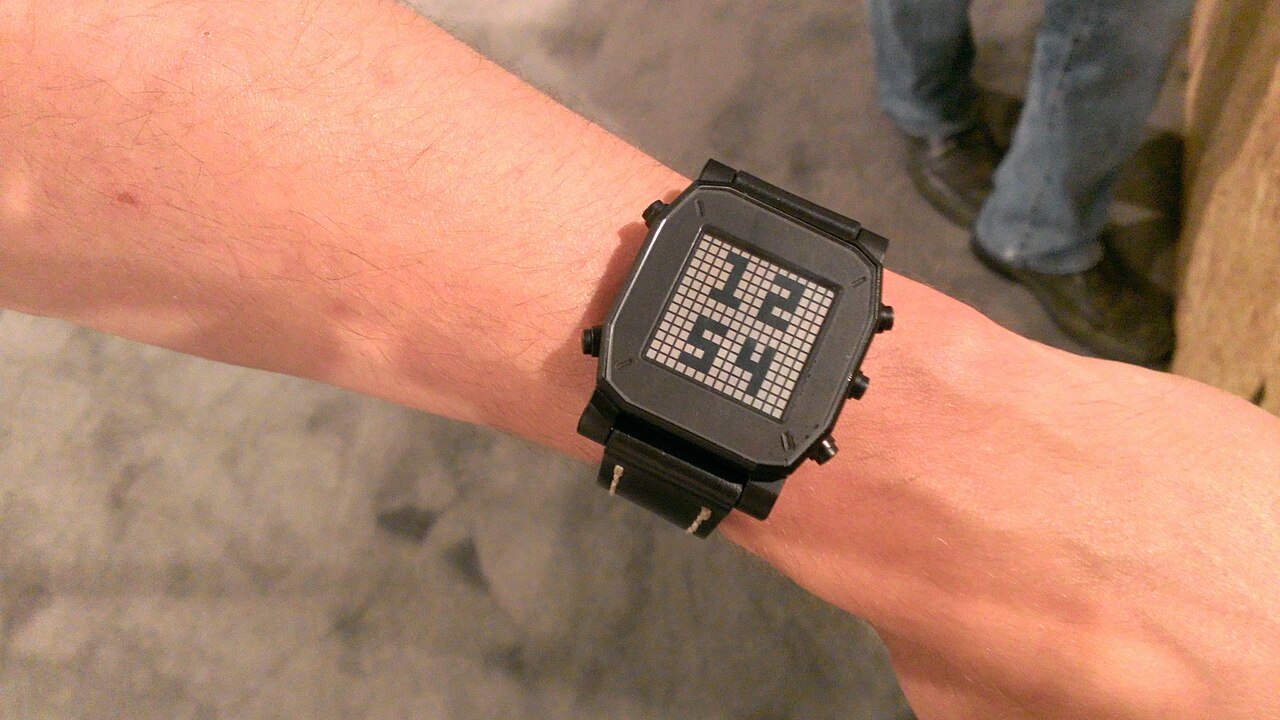
Smartwatches, fitness bands, rings and patches measure steps, heart rate, sleep and more. Some can record an ECG or estimate blood oxygen. What started as fitness gadgets are becoming sources of health data for doctors, researchers and insurers.
How many people use them
The US Health Information National Trends Survey (HINTS) tracks wearable use. In 2019, about 30% of US adults used a wearable health device [1]. By 2022, this rose to about 36% [2].
In 2019, nearly half of users wore their device every day, and about 82% were willing to share its data with their care providers [1].
Do they help people move more?
A study of the 2022 HINTS data found that wearable users were 1.84 times more likely to meet the goal of 150 minutes of moderate activity a week than non-users [3]. This does not prove the device caused the change. Active people may be more likely to buy one. But it shows a clear link.
From fitness to clinical use
- Heart rhythm: some watches can flag possible atrial fibrillation.
- Glucose: continuous glucose monitors are wearables for diabetes.
- Clinical trials: wearables record activity, sleep and heart rate between visits.
- After surgery: patches can track recovery at home.
- Older adults: some devices detect falls and call for help.
The FDA issued final guidance in December 2023 on using digital health technologies, including wearables, to collect data remotely in clinical trials [4]. It focuses on making sure each device is "fit for purpose" and properly validated [4].
Limits
- Many consumer wearables are not medical devices and are not cleared for diagnosis.
- Accuracy can vary by skin tone, movement and fit.
- False alarms can cause worry and extra doctor visits.
- People who could benefit most, such as older or poorer adults, use them less.
Data and privacy
Wearables collect very personal data, such as location, sleep and heart rate. In many countries, health privacy laws do not fully cover data held by consumer tech companies. Users should check who can see and sell their data.
Key numbers at a glance
- US adults using wearables: about 30% (2019) and 36% (2022).
- About 82% of users willing to share data with providers (2019).
- Users 1.84 times more likely to meet activity goals.
Questions before buying
- Is the feature I want cleared as a medical device?
- How accurate is it for people like me?
- Who can access my data?
- Can I share data with my doctor easily?
Go deeper
Want the full picture? Our report covers market size, growth, segments, countries and the key companies. Read the report or get a free sample.
Activity matters
WHO advises at least 150 minutes of moderate activity or 75 minutes of vigorous activity a week, plus strength exercises on 2 or more days [5]. Being active helps prevent and lower high blood pressure [5]. Step counts and activity minutes on a wearable make these targets easy to track.
Who uses wearables, and who does not
The 2019 HINTS study found that use was linked to factors such as age, income and education [1]. Younger, wealthier and more educated adults were more likely to use them. Yet older adults and people with chronic conditions may gain most from monitoring. Programmes that give devices to patients who need them, with training, can close this gap.
Blood pressure and wearables
About 1.4 billion adults have high blood pressure, and 44% do not know it [5]. Cuffless blood pressure tracking in watches is an active area, but accuracy is still being studied. For now, validated arm cuffs remain the standard for home readings.
Sharing data with doctors
In 2019, about 82% of wearable users said they were willing to share their data with care providers [1]. Doctors are often less ready to receive it. Raw step counts and heart rate data can be hard to use in a short visit. Summaries that highlight important changes, built into health records, make the data more useful. Clear rules on who reviews the data, and when, protect both patients and doctors.
Tips for users
- Wear the device as the maker advises for accurate readings.
- Treat alerts as a reason to check with a doctor, not a diagnosis.
- Review privacy settings and turn off sharing you do not want.
Children and teens
Wearables are popular with young people for sport and fitness. Parents should check age limits, privacy settings and how data are shared. Devices should support healthy habits, not cause stress about numbers.
Batteries and habits
Devices only help when worn and charged.
What this means
Wearables are now common and are slowly earning a place in medical care and research. Their value grows when data are accurate, linked to doctors and acted on. Reaching people who need monitoring most, not just the already fit, is the next challenge.
Where to read more
All figures in this article come from public sources listed below. For more detail, start with the HINTS survey studies on wearable use and the FDA guidance on digital health technologies in trials. Each is free to read online.
Explore on Acuitas
- Remote Patient Monitoring market report – size, growth and key players
- Remote Patient Monitoring statistics – key numbers, trials and research in one place
- Top 10 fastest-growing Digital Health markets
- Global Amino Acid Market Analysis – related market
- Global Arrhythmia Monitoring Devices Market Analysis – related market
- Global Artificial Intelligence (AI) in Healthcare Market Analysis – related market
- Not active enough (adults) – free chart in the Public Health Dashboard
- No exercise in free time – free chart in the Public Health Dashboard
- Get a free sample report or talk to our team
Topics: Remote monitoring and wearables · Fitness · Digital health
Sources
- Chandrasekaran R et al. Patterns of use and key predictors for the use of wearable health care devices by US adults (JMIR, 2020; HINTS 2019)
- Usage trends and data sharing practices of healthcare wearable devices among US adults (JMIR, 2025; HINTS 2022)
- Wearable devices and physical activity: insights from the 2022 Health Information National Trends Survey
- US FDA guidance (Dec 2023): Digital health technologies for remote data acquisition in clinical investigations
- WHO fact sheet: Hypertension
Banner image: AGENT smartwatch prototype by Secret Labs - WP 20130627 031 (15837480416) by Pete Brown from Gambrills, MD, USA, CC BY 2.0, via Wikimedia Commons.
The data behind this story
Topics: Remote monitoring and wearables · Fitness · Digital health
Go deeper