Asthma and chronic obstructive pulmonary disease (COPD) are the two most common long-term lung diseases. Asthma often starts in childhood and comes in attacks. COPD usually develops later in life and slowly gets worse. Both make breathing hard, and both can be managed much better than most people realise.
The burden
WHO reports that COPD is the third leading cause of death worldwide, causing 3.4 million deaths in 2023, about 6% of all deaths [1]. Asthma affected an estimated 262 million people in 2019 and caused about 455,000 deaths [2].
Pollution, smoke and lungs
Tobacco smoking is the main cause of COPD in high-income countries. In low- and middle-income countries, household smoke from cooking fuels and outdoor air pollution also play a big part [1]. That makes lung disease a major issue in South Asia.
Treatment options
- Inhalers are the core of treatment: relievers for quick help and controllers to prevent attacks [2].
- Biologic medicines now help people with severe asthma who do not respond to inhalers.
- Pulmonary rehabilitation – exercise and education – improves daily life in COPD.
- Quitting smoking is the most effective way to slow COPD [1].
Many people still use inhalers the wrong way or cannot afford them. Correct technique and steady supply matter as much as new drugs.
Go deeper
Want the full picture? Our report covers market size, growth, segments, countries and the key companies. Read the report or get a free sample.
Newer estimates
WHO's asthma fact sheet now uses 2023 data. Asthma affected about 363 million people in 2023 and caused 442,000 deaths [2]. It is the most common chronic disease among children [2]. Most asthma deaths happen in low- and lower-middle-income countries, where it is often missed and under-treated [2].
For COPD, nearly 90% of deaths in people under 70 happen in low- and middle-income countries [1]. COPD is the seventh leading cause of poor health worldwide [1]. Smoking causes over 70% of COPD cases in high-income countries, but only 30–40% in low- and middle-income countries, where household air pollution is a major cause [1].
Diagnosis is often missed
COPD is confirmed with a breathing test called spirometry. In many low- and middle-income countries, spirometry is not available, so COPD goes undiagnosed [1]. Asthma is also often under-diagnosed [2]. People with untreated asthma may sleep badly, feel tired, lose focus and miss school or work [2].
Three types of asthma inhaler
- Relievers (bronchodilators such as salbutamol) open the airways [2].
- Preventers (steroids such as beclometasone) reduce swelling and lower the risk of severe attacks and death [2].
- Combination inhalers contain both [2].
Inhalers can be hard to use, especially for children. A spacer helps. WHO notes that a homemade spacer from a 500 ml plastic bottle can work as well as a bought one [2].
Inhalers are still hard to get
In 2023, relievers were available in public primary care in fewer than two thirds of low- and lower-middle-income countries. Steroid inhalers were available in fewer than half [2]. WHO's PEN package helps primary care teams diagnose and manage asthma and COPD in low-resource settings [2].
Triggers and risks
Asthma triggers include dust, smoke, fumes, pollen, animal fur, strong soaps and perfume [2]. Being overweight, early-life smoke exposure and air pollution raise risk [2]. COPD raises the risk of lung infections, lung cancer, heart problems, weak bones, depression and anxiety [1].
Key numbers at a glance
- COPD: 3.4 million deaths in 2023, the third leading cause of death.
- Asthma: 363 million people and 442,000 deaths in 2023.
- Nearly 90% of COPD deaths under 70 are in low- and middle-income countries.
- Steroid inhalers in public primary care in fewer than half of poorer countries.
What raises asthma risk
- A parent or sibling with asthma [2].
- Other allergies, such as eczema and hay fever [2].
- Low birth weight, being born early, tobacco smoke and air pollution in early life [2].
- House dust mites, moulds and chemicals or dust at work [2].
- Living in cities, and being overweight [2].
What causes COPD
COPD develops slowly over many years [1]. Causes include smoking and second-hand smoke, dust and fumes at work, and smoke from cooking with wood, dung, crop waste or coal [1]. Poor lung growth before birth, frequent chest infections in childhood and childhood asthma also play a part [1]. A rare genetic condition, alpha-1 antitrypsin deficiency, can cause COPD at a young age [1].
Living with COPD
COPD symptoms can suddenly get worse. These flare-ups last a few days and often need extra medicine [1]. Breathing gets harder over time, making daily tasks difficult and affecting work and income [1]. Not smoking, avoiding polluted air and getting vaccines help [1]. Medicines, oxygen and pulmonary rehabilitation are the main treatments [1].
Asthma action plans
People with asthma need to know how to step up treatment when symptoms get worse, to avoid a serious attack [2]. A written asthma action plan from a health worker helps them do this [2].
Where to read more
All figures in this article come from public sources listed below. For more detail, start with the WHO fact sheets on asthma and COPD. Each is free to read online.
Questions to ask your health worker
- Am I using my inhaler the right way?
- Do I need a preventer as well as a reliever?
- Can I have a written action plan?
- Should I have a spirometry test?
- Which vaccines do I need?
Writing these down before a visit helps make the most of a short appointment.
What this means
Better diagnosis, affordable inhalers and cleaner air would prevent many deaths. Biologics and smart inhalers are the growth areas, but basic access is still the biggest gap.
Explore on Acuitas
- Asthma & COPD Drugs market report – size, growth and key players
- Asthma & COPD Drugs statistics – key numbers, trials and research in one place
- Top 10 fastest-growing Pharmaceuticals markets
- Global Airway Management Devices Market Analysis – related market
- Global Anesthesia & Respiratory Devices Market Analysis – related market
- Global Anti-Snoring Devices Market Analysis – related market
- Deaths from air pollution – free chart in the Public Health Dashboard
- Fine dust in the air (PM2.5) – free chart in the Public Health Dashboard
- Get a free sample report or talk to our team
Topics: Respiratory · Smoking
Sources
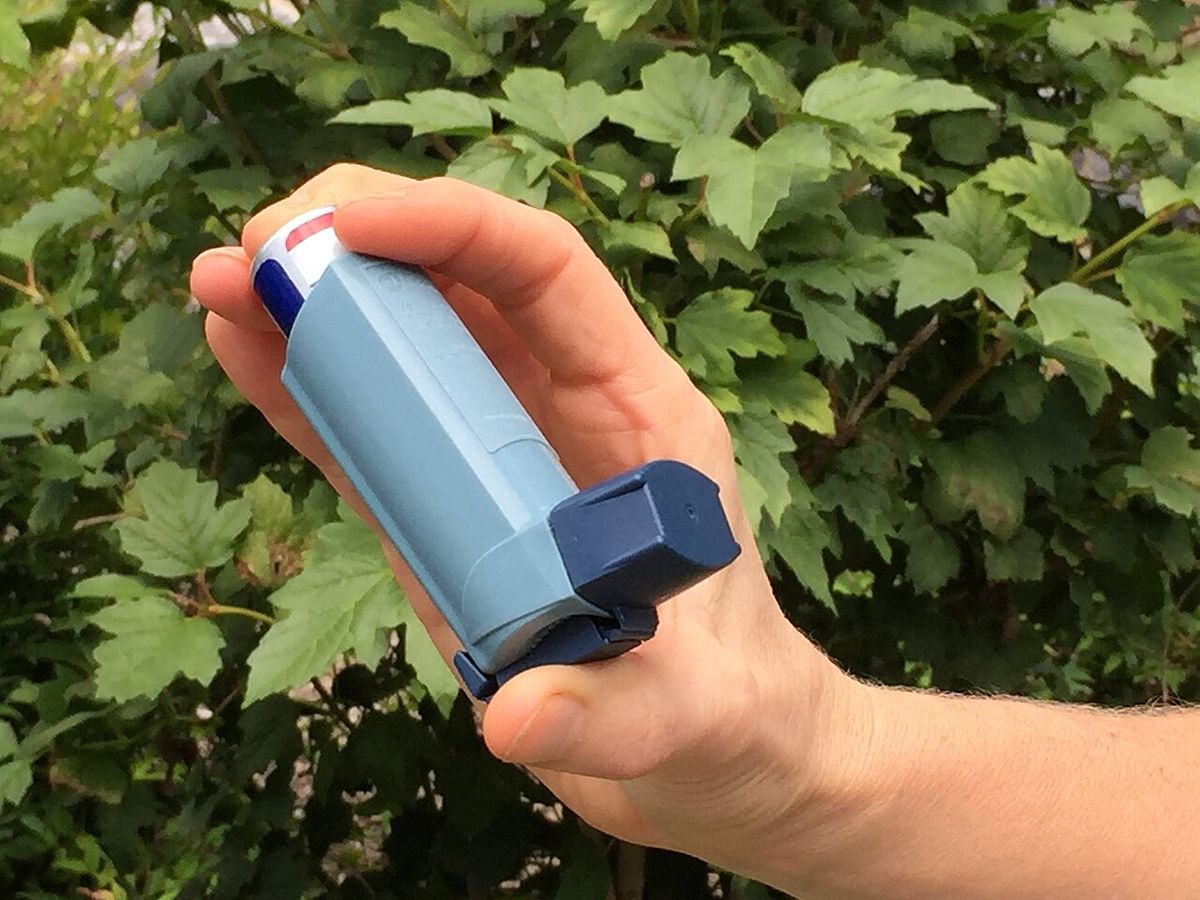
Banner image: Asthma Inhaler (29172634251) by NIAID, CC BY 2.0, via Wikimedia Commons.
The data behind this story
Topics: Respiratory · Smoking
Go deeper